[0:00]Think your automatic car is built to handle anything? Think again. Today, we're diving into 15 things you should never do in an automatic car. And stick to the end for a bonus tip that will prolong the life of your transmission fluid. Number one, running on empty. In most cars, the fuel pump lives inside the gas tank. And it relies on fuel to stay cool. When you're running low, that cooling effect disappears. Over time, this can shorten your pump's life, making it a pricey fix. Then there's the sediment. When you're close to empty, you stir up all the gunk sitting at the tank's bottom. This grit can clog your fuel filter and hit performance. Worst case, it damages other parts of your fuel system too. So, keep that tank above a quarter full to protect your pump. Number two, coasting in neutral. Coasting in neutral is when you let your car roll without any power from the engine. Typically by shifting the transmission into neutral while moving. Drivers sometimes do this on downhill stretches, believing it saves fuel. Let's break down three big reasons why coasting in neutral isn't all it's cracked up to be. First, it doesn't save fuel. In modern cars, when you're slowing down in gear, the car cuts fuel flow on its own. So, staying in gear saves you more than letting the engine idle in neutral. Second, coasting in neutral cuts down on your control. In a split second emergency, you won't have the quick power to accelerate out of trouble. And third, it adds extra wear. Shifting back into drive while your engine's idling is tough on your drivetrain. Plus, you're using your brakes more often since the engine isn't helping slow you down. That means more brake wear over time. Number three, driving through deep water. Driving through deep water may seem harmless, but it's risky business. Your transmission has vents to release internal pressure, which is great. Until those vents start letting water in. Here's the thing, in four-wheel drives, those vents are high up, so water rarely sneaks in. But on most regular cars, the vent sits low, right on the transmission itself. Drive through deep water and you're inviting trouble. Once water mixes with transmission fluid, it creates a thick milky mess. That mess breaks down the glue holding your clutch packs together. Damaged clutch plates are almost guaranteed. And guess what? This damage can happen in hours. Here's the kicker, draining the fluid won't undo the damage. With water inside, the transmission starts slipping. Soon enough, it could fail. So, steer clear of deep water in a regular car. Remember the saying, oil and water don't mix. It's no different for your transmission. Mistake number four, leaving the car in drive at stop lights. Keeping the car in drive seems fine when you're at a stoplight, but here's why shifting to neutral is better. Especially in the heat. When your car's in drive, the torque converter keeps working even when stopped. This movement creates heat as the transmission fluid slides. On a hot day, this extra heat builds fast. Within minutes, the temperature can rise by 50°, which strains your transmission as it tries to cool. Shifting into neutral helps fluid circulate more freely. With no extra pressure from the torque converter, heat buildup is reduced. This also prevents wear and overheating on the transmission over time. And hey, if your torque converter's acting a bit shady, check out our video on the symptoms of a bad torque converter. Mistake number five, not warming up your transmission. In cold weather, transmissions need extra attention. Unlike engines, they rely on hydraulic fluid. This fluid thickens as temperatures drop. Thick fluid doesn't flow easily. It slows shifting, causing sluggish responses. Delays like this strain your transmission. If your car's been sitting overnight, give the fluid a chance to warm up. Let it circulate smoothly before you drive. Cold mornings are tough on cars, especially transmissions. Mistake number six, resting your hand on the gear selector. Resting your hand on the gear selector might feel natural, but it's not doing your transmission any favors. That small habit pressures the internal components, causing wear over time. It may not seem like a big deal now, but that repeated pressure can lead to damage down the road. Always keep your hands off the shifter when you're not using it. By the way, if you find the video useful and you want to see more, please like and subscribe. Okay, let's move on. Mistake number seven, ignoring dashboard warning lights. Beyond the usual check engine light, others are worth your attention. The transmission temperature light warns of overheating, which risks serious damage. The oil pressure warning signals a lubrication issue that could wear down your engine fast. And then there's the battery warning light. If it's on, you might face charging issues and risk getting stranded. These lights aren't just alerts, but early warnings to save you from bigger expenses. Mistake number eight, turning off the car before it's in park. Most cars have a safety feature that blocks starting in any gear other than park. It prevents starting while still in drive, which could be dangerous. Many newer cars won't even let you remove the key unless you're in park. It's built to avoid accidental damage. If you turn off the car in drive or neutral, you must shift to park first before removing the key or restarting. Now, here's the good news. Turning off in the wrong gear won't harm the engine right away. But it does disconnect the input shaft from the rest of the transmission. The torque converter powers that and needs to stay connected to work right. Number nine, hard acceleration. Launching an automatic car from a stop, hitting the gas hard, can feel exciting, but it stresses your engine and transmission. A quick launch now and then isn't bad, but making it a habit wears down key parts. Engine mounts, suspension bushes, and the transmission all take that extra strain. And it burns fuel faster than a steady acceleration would. Most modern cars are built to handle stress. Still, if you want yours to last, ease up on those hard launches. Over time, that extra force means costly repairs. Number 10, shifting into park before a full stop. Throwing your car into park while moving is a shortcut to trouble. You're putting strain on the parking pawl, a small but mighty lever. This little guy's job is to lock your car in place, not to stop it while it's rolling. Over time, this habit wears down the pawl. In some cases, it can even snap. And if it breaks, you could damage other parts, like the locking pin or output shaft. That means your park function might not work when needed. How will you know? If you hear a grinding noise, think of the pawl scraping the output shaft cog. You're already on borrowed time. So, do your car a favor. Always come to a full stop before shifting into park. Number 11, neglecting transmission fluid changes. Some folks say transmission fluid is lifetime. It's not. If you want a smooth ride, change it regularly. Aim for every 50,000 miles or so. Here's what to watch for: the fluid should be bright red with little to no smell. If it's brown or has a burned odor, it's time for a change. Here's where it gets interesting. Inside your transmission, you've got gears and knuckles meshing together at high speeds. Any resistance creates friction and heat, lots of it. Transmission fluid acts like a banana peel between those metal parts, reducing that friction and keeping things smooth. But if the fluid runs low or isn't changed, friction builds up and damage increases. Over time, all lubricants break down, and transmission fluid is no exception. Number 12, never put the car in park without pulling the handbrake. The parking pawl inside the transmission is meant to hold the car in place, but it's not as strong as the handbrake. Imagine parking on a hill or in a windy area without that handbrake, your car could still roll. Doing this once or twice might not cause damage right away, but it can wear down parts over time, especially on a hill. Here's why it matters: the lock pin isn't made to handle the entire weight of the car, and even the engine bushings will start to weaken. There's also no guarantee that the lock pin won't eventually fail. Using the handbrake is a simple way to keep your car safe and protect key components from wearing out too quickly. We're only a couple of mistakes way to sharing the bonus I promised, so don't go away. Number 13, idling the car in drive for too long. Idling in drive for long periods isn't terrible, but it's not great either. While a few short spells of idling won't cause immediate issues, over time, it can lead to problems. Most newer cars have electric fans to keep air moving through the radiator. If the cooling system's working and it's not a scorcher outside, you should be fine. Diesel engines, though, are different. Long idling can lead to ring wash. That's when fuel doesn't burn fully at low temps, letting raw fuel slip into the oil. This thins out the oil, a problem you don't want. Petrol engines can also experience oil dilution. It's better to turn off the engine if you're just sitting and waiting. Restarting the engine doesn't burn as much fuel as letting it idle for long stretches. Number 14, shifting from drive to reverse, or vice versa, while the car is moving. Older cars have no patience for rough shifting. If you don't come to a full stop before changing gears, you're putting strain on the transmission. And guess what? That strain can lead to a hefty repair bill. Sometimes over $3,000. Now, newer cars are a bit smarter about this. They've got systems that won't let you shift gears until the car's fully stopped. Even if you try to pop it into drive or reverse, the transmission won't engage until the car says it's safe. It's a simple way to avoid costly repairs. Mistake number 15, not being gentle when you're stuck in snow. When you're stuck in the snow, it's easy to want to rev the engine and spin the wheels. But doing that, it can seriously damage your transmission. So, what should you do instead? First, try easing into reverse. Give it a gentle go and avoid putting too much strain on your car. You'd be surprised how much this helps. Another trick, use some traction. A bag of non-clumping cat litter, sand, or even a few carpet scraps can go a long way. Just spread it in front of and behind your wheels. For front-wheel drive, focus on the front wheels. For rear-wheel drive, add it to the back. If you're driving a truck or an SUV, switch to low range settings. This helps you keep control over power and traction without overworking your car. And here's another tip: a small shovel can help you clear away any excess snow around your tires. If you live in a snowy area, snow tires or traction boards are worth considering. They're reusable and work well when conditions get tough. So, remember, don't go hard on that gas pedal. Instead, go for these easy tricks to keep your car and your transmission safe. Here's a bonus tip that I promised earlier. Don't leave your car parked in direct sunlight for too long. The sun doesn't just make the inside of your car hot, it also heats everything under the hood, including your transmission. And over time, that extra heat dries out important seals and breaks down transmission fluid faster. The result, you might start feeling sluggish or delayed shifts. But here's the good news. It's easy to avoid. Whenever you can, park in the shade. If shade isn't an option, try using a windshield sunshade. These small steps can protect a lot more than just your transmission. Over time, sunlight can wear down your car's paint, headlights, and even your tires. UV rays break down the clear coat on your paint, causing it to fade or peel. And headlights, they get that yellowed, hazy look and lose brightness. Even your tires can suffer. Direct sunlight dries out the rubber, causing cracks that weaken them over time. So, remember, keeping your car out of direct sunlight isn't just about staying cool. It's about keeping your car's performance and appearance in top shape. Shade, a sunshade, or any cover goes a long way in protecting your car. Avoiding these common mistakes will save you costly repairs and extend your car's life. By being mindful, you protect both your engine and wallet. Remember, small adjustments make a big difference in keeping your automatic running smoothly. Now, let's hear from you. What's the biggest mistake you've seen drivers make with their transmissions? Share it in the comments. And if you've found this video helpful, don't miss our next one. 17 common oil change mistakes. Why? Because even a simple oil change can go wrong in ways that hurt your engine. Drain your wallet and shorten your car's life. In this video, we'll show you how to avoid the pitfalls that most drivers don't even know about. From choosing the wrong oil to common filter mistakes. Watch it now to keep your engine running smoothly and save money in the long run. Thanks for tuning in.
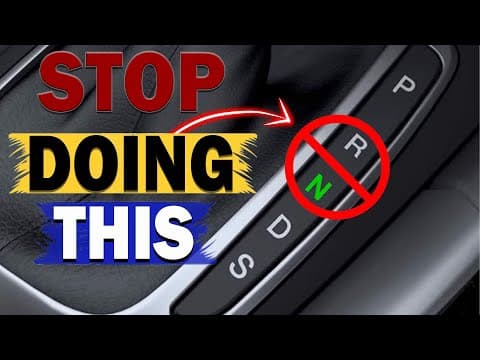
Things You Should Never Do In An Automatic Car (Big Mistake)
Car Care Clues
15m 8s2,275 words~12 min read
YouTube auto captions
Transcript source
YouTube auto captions
This transcript was extracted from YouTube's auto-generated caption track. The transcript below is server-rendered so it can be read, searched, cited, and shared without opening the original YouTube player.
Pull quotes
[0:00]And stick to the end for a bonus tip that will prolong the life of your transmission fluid.
[0:00]When you're close to empty, you stir up all the gunk sitting at the tank's bottom.
[0:00]Coasting in neutral is when you let your car roll without any power from the engine.
[0:00]Let's break down three big reasons why coasting in neutral isn't all it's cracked up to be.
Use this transcript
Related transcript hubs
Watch on YouTube
Share
MORE TRANSCRIPTS


