[0:00]This is how much money I make from this property. Four flats in this building, five flats in this building and five flats across London. I want to go through all the numbers so you can decide for yourself if you can still use property to achieve financial freedom. I'll start with my smallest deal all the way up to this £1.5 million pound development, which by the way, was my worst deal. My smallest dealer was a one-bedroom flat in Battery Park in London. It was in pretty terrible condition. What I did was, I moved the kitchen into the living room and so the living room became an open plan living room, and then I turned the kitchen into the second bedroom. So the property went from being a one-bedroom flat into a two-bedroom flat. I bought that property for £237,150. The entire cost, which is the renovation, the stamp duty, the legal fees, the finance fees, that came to £51,130. So the total cost for that project was £288,280. Now, once that project was finished, I then went to a new bank and I refinanced that property. The new lender came in and valued the property at £320,000. Once it was valued, I got a new mortgage. That mortgage was for 80% of the new value, which comes to £256,000. The entire project has cost me £288,280 and then at the end, I got £256,000 back. And so essentially, that means the money that is actually cost me for that project is only £31,799. Once I had refinanced that property, I rented that property out. The rent was around £1,950 and I had a mortgage of 4.1%. So the monthly mortgage came to £885 per month. For management, it was around 7%, which comes to £137. For maintenance, I normally put aside around 10% of the rent. Since this is a flat, you also have to pay a monthly service charge, which for this property was £100 per month. So the monthly cash flow for this property was £634 per month. Now, this property was bought in a limited company, so then you would have to pay corporation tax. And just to keep the numbers simple, I've just assumed a 20% corporation tax. The monthly profit would be £507 per month after all taxes. Now, what is that as return on cash employed? What that means is, how much money are you making every single year as a percentage of how much money you have invested? With this property, I'm making £507 per month, multiply that by 12 to get how much money you're making across the entire year. So that comes to £6,084. You then have to divide that by how much of your capital you have employed, which is your money left in. So you divide that by £31,799 and so therefore, your ROCE is 19.1%, which is pretty insane. However, with this property, I held it for a few years and then I eventually sold it. And I managed to sell it for £370,000. Now, once you account for the sales fees and the cost of my referb and everything else, the profit was around £78,000. Once that project finished, I did the same thing in London Bridge. It was a one-bedroom flat, which I then turned into a two-bedroom flat and then I refinanced and I rented that property out. I'm not going to go through all of the numbers, I'll just put them on the screen quickly and you can have a look. I then did the same thing again in Vauxhall. I bought a one-bedroom flat, turned into a two-bedroom flat, refinanced. Again, I'll just put the numbers up on the screen rather than going through every single one and you can take a look. I then did the same thing again in Brixton, but this time I ended up selling that property. So I bought it for £240,000, again as a one-bedroom property, and it was converted into a two-bedroom flat. The entire cost of doing that, legal fees, everything included, £53,810. So my total cost at that time was £293,810. At that point, I actually refinanced that property, so I sold it a bit later on. And that was revalued at £320,000. So that property initially didn't have the biggest profit margin in the world. By holding it for a few years, I managed to sell it for £400,000 and made a profit of just over £100,000 on that deal. I then did exactly the same thing one more time in West Hampstead. It was a one-bed, again was in pretty terrible condition. It had a slightly lower lease at 87 years. I bought that for £303,750, turned into a two-bed and that was revalued at £450,000 at that time. That property is still being rented out, I'll put the numbers up on the screen and you can take a look. Now, when you are running a property business and you've got multiple properties, it can be difficult to see how much money you're making on a monthly basis because of all of the transactions and all of the costs involved. You've got rental payments coming in, you've got management fees going out, you've got bills going out, you've got service charges going out. And the whole thing can become messy very quickly. The easiest way to have complete visibility over your business, so you can see exactly how much money is coming in every month, how much money is going out, how much cash you have available in the bank, which bills relate to which payments, you need to sign up to the Xero accounting software. Most property investors have no clue how much money they're actually making because they have their transactions and receipts all over the place and they're rushing to do their tax returns at the end of the year. Right now, you can get 90% off the Xero software by clicking the link in the description below. Thank you Xero for sponsoring this video. After doing these conversions, I wanted to see if I can do something slightly bigger. So rather than buying a one-bedroom flat, I ended up buying this three-bedroom terrace house. And again, in fairly dated condition. I then put this in for planning, and I ended up getting planning permission on this for two flats. I bought that for £265,000. The entire cost of converting that into a two-bedroom flat, legals, finance, stamp duty, everything came to £84,659. And so my total cost was £349,659. Once that project was finished, I refinanced that property as two individual flats. And both the flats collectively were valued at £410,000. One of them was valued at £200,000 and one was valued at £210,000, because of flat downstairs also came with a garden. That had a bit more value than the one above. Now, once again, I refinanced that property at a 75% loan to value mortgage, and that came to £307,500. That meant my money left in was £42,927. Both of these flats combined currently are being rented out for £2,750, which is very good in that area. And it is on a mortgage of 3.7%, which means the monthly mortgage is £936. The management at 7% is £193. Again, put aside 10% for maintenance, £275. Now, these flats don't have a service charge because I own the free hold myself, so I just pay building insurance, which is significantly cheaper than paying a service charge. So that comes to £23 per month. And so the monthly cash flow is £1,324. Accounting for a 20% tax, that is £1,059 of net cash flow every single month. And as a return on investment, that is 29.6%. That is an amazing return from two flats. So once that project was finished, the natural progression was to try to do something even bigger. So I ended up buying this mixed commercial property, which was a clinic downstairs, and it was a three-bedroom flat upstairs. I put this in for planning permission to do a double-story side extension. And that gave me enough space to turn the building into four flats. So there were two flats downstairs and there were two flats upstairs. Now, this by far was my biggest project and it was a typical story that it cost more than I anticipated and it also took longer than I anticipated. And when projects take longer and you are using bridging finance, which is costing you £3,000, £4,000 per month, that really starts to stack up. And then at the same time, there were things which I'd never done before. So for example, in this property, we had to install an AOV system, which basically means if there's a fire in the building, you press this button and the latch at the top opens up and all the smoke goes outside. Now, that alone cost £12,000. These were new things to me, which I'd never considered before, and cost which I hadn't really projected for. That alone was a real learning curve. The biggest challenge, however, on this project was that this project finished in October of 2022. If you remember back to then, that is a month when the Liz Truss and Kwasi Kwarteng mini budget took place, and all of the lenders went into a meltdown. Lenders started pulling out, rates were shooting up everywhere, there was so much uncertainty, and as a result of that, a couple of things happened. Firstly, it took a lot longer to refinance this property, even though the project was finished, and that meant I ran out of time on my bridging finance. So when you run out of time on you end up paying penalties, additional interest and everything else, so there was a lot more costs associated there. The other thing was, typically at that point, you could get a 3.7% mortgage. The rates then went from 3.7% up to 5.5%. Your cash flow is going to be significantly lower compared to what it would be at 3.7%. And because the lenders had pulled out and there wasn't many lenders in the market, I had to refinance the entire building on one block valuation. What that means is, I had to refinance the entire building as opposed to individual flats, so flat 1, 2, 3, 4. What that typically means is, that the valuation you get at the end is around 10% to 15% lower. What it would be if you were to title split and refinance each flat independently. It's sort of similar to if you buy a pack of Snickers and you get you buy four, that's going to be cheaper then if you were to buy four individually and you pay a bit of a markup. So that meant I also took a bit of a hit on the revaluation at the end. So I bought this property for £600,000. After all of the additional cost and the delays and the penalties, the cost of the project was £395,000. So I was all in for £995,000. Once the property was revalued as one block and not four flats, it was revalued at £990,000, which is about the same as what it cost me. There's probably around 10% to 15% margin in there when I go and refinance the next time around, when I can actually title split them and refinance each property individually, but currently I'm on a five-year fixed mortgage, so there's no point refinancing at this stage. And so what this meant was, I then got a 75% loan to value mortgage and mortgage refinance amount was £742,500. And so my money left in was pretty high at £252,500. Much, much higher than all of the projects I'd done up to this point. Now, all four flats are being rented out for £5,800. It's on a 5.3% mortgage like I said before, and so the monthly mortgage comes to £3,290. 7% management, £406. 10% for the maintenance, which is £580, and my building insurance, again, I own the building, so I just pay building insurance, that is £100. And so my monthly cash flow is £1,424. And post tax, that is £1,139, which if you think about it, isn't actually that much more than the two flats in the other building. Which just shows you how much of a difference an interest rate can actually make in the short term. And so the return on cash employed on this is actually one of my worst at 5.4%. Now, that in itself is not amazing, but this is what most people miss. This is the rental forecast by Savills, and they think between 2026 and 2030, UK rents will go up by 12%. So let's say you're on this property, rents increase by 12%. At the same time, all of the predictions are that the mortgage rates are going to come down and they slowly have been coming down. The Bank of England base rate is right now at 3.75% and that's been slowly and slowly coming down. Let's assume on this property the rents go up by 12%. So now my monthly rent has gone up from £5,800 to £6,496. And let's say over time the mortgage interest comes back down again, so it goes from 5.3% to 3.7%. So that means my monthly mortgage has gone down from £3,290 down to £2,289. And so on that same exact property, my monthly cash flow has almost doubled. It's gone from £1,424 to £3,002. Post tax, that's £2,402, which means the new return on cash employed has gone from 5.4% all the way to 11.4%, just by holding that property for the long term. And by the way, this is 11.4% before any appreciation. If on this property, the prices go up by 10%, that's another £99,000 return on investment, which you've just made, just by holding on above and beyond the 11.4%. So invest for the long term, don't just look at the numbers in the short term. When this project finished, the natural progression was to see if I could do something even bigger. But unfortunately, bigger isn't always better. This property came on the market for around £700,000. It was a three-bedroom detached house which sat on a huge plot. So we ended up applying for planning permission for 6 x 1 bedroom flats. We were going to have four flats downstairs and two flats upstairs. Because we were trying to build flats in a residential area, which by the way, isn't really an issue. But what it does mean is, that we pretty much had an objection from every single house on that road. We got so many objections from pretty much every single person on that street. So that meant we started getting pushed back from the council. And so what the council proposed to us, that rather than us creating six flats, why don't we create five one-bedroom flats? The issue with five one-bedroom flats was that the numbers wouldn't really work that well. So we then went back to the council and we proposed that rather than having five one-bedroom flats, what if we had three one-bedroom flats and two two-bedroom flats? So at least that way we can get a bit more value out of it. But right off the bat, I'd already lost one flat in planning permission. But the problem was, by the time all of this took place, I'd already spent around £25,000 on planning fees, on drawings, on surveys, on valuation fees, on legal fees. So even though it wasn't the best project in the world with five flats, I was 27 years old, I wanted to learn as much as possible, and for me, it was a great opportunity to see if I could make a bit of money and still learn at the same time, because this could then be the step to do bigger and bigger and bigger projects. So I decided to proceed with that project. But the build on this project was massive. We had a side extension, we had a double-story rear extension, we had a single-story rear extension even beyond that. The garden area was pretty big, the driveway at the front was massive that had to fit seven cars. And so once again, it was your typical story of it cost a lot more than I thought and it took a lot longer than I thought. We then had some miscommunication with the builder and so the build ended up costing us £70,000 more than what it should have. On top of that, we had delays with the utility companies in terms of getting the electrics in and all those sort of supplies in. We had more delays in terms of the foundation, we had a holiday period in the middle with Christmas and so the builders taking time off, and once again, all of those delays meant more and more finance costs. And so by the end, we lost a flat, it cost us more than we thought, and the delays meant more finance costs as well. Everything which could have technically gone wrong, pretty much went wrong with this project. So I bought this for £700,000. All of the cost including the build, the legals, the stamp duty, the planning, everything came to £814,000. So my all-in cost was £1,514,000. Once the property was finished and converted and everything was done, we then went to a new bank to refinance all of the five flats. They valued the building at £1,535,000. It made a profit of around £21,000, which is not great, like I've made more money by turning a small one-bed into a two-bed rather than all of this. But then the other issue I had was, because of values of each individual flat was actually quite high relative to the amount of rent which was coming in. The banks did not want to lend us 75% loan-to-value, they only wanted to lend us 70% loan-to-value. So I refinanced at 70% and so I've got a mortgage in that property of £1,074,500. And so my money left in was actually quite a lot on this project at £439,500. All of the five flats they rent for £7,200. The mortgage is quite high at 5.6% because the rates had gone up even more, so the monthly mortgage is £5,020. The management at 7% is £504. 10% for the maintenance, which is £720. £100 for the building insurance. And so my monthly cash flow is £856, which after 20% tax is £685, which is not a lot. And so the return on this, and this is why I say it's my worst deal, is 1.9%. But again, if we forecast to the future, you know, where let's say the rents go up by 12%. The rent on this property would be £8,064 and as mortgages come down to 3.7%, the mortgage would go down to £3,313. And so the cash flow would actually increase by quite a lot to £3,280, which post tax is £2,624. The return would jump up from 1.9% to 7.2%. But like I said before, that doesn't include appreciation. So if prices just go up by 10% and the building is currently valued at £1.5 million, that's another £150,000. That in itself is a 30% return just by prices going up by 10%. And the reason I wanted to share this project is because I think for most people, this is a huge lesson, which is even if you don't do the best project right now, but you buy in an area where you think the rents will go up over time and property prices will go up over time, property is very forgiving. So, don't think you've got to master property and I've got to do the best project in the world and I can't afford to make any mistakes. Even if you have challenges and there's delays and planning issues and finance issues and cost overruns and builder issues, it's not going to kill you as long as you do the basics right. But at the same time, anyone telling you that big projects are just as easy as smaller projects, it's just not true. They are significantly harder, the risk is significantly higher than doing a small project. And so if you're starting out, the best strategy to start out is by turning a one-bedroom flat into a two-bedroom flat. And if you want to learn exactly how to do that, I've got a free 11-hour course on YouTube, which you can watch here. And also, if you want complete visibility over your business, right now you can get 90% off Xero by clicking the link in the description below. Sign up and have complete visibility.
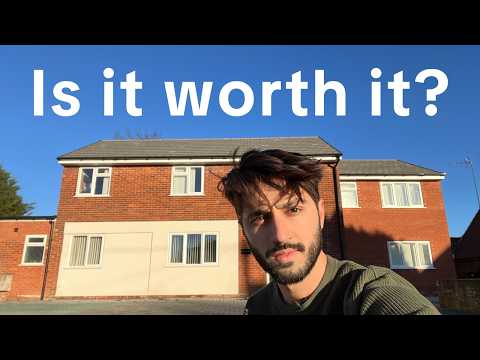
how much i make from 16 properties
Ahmed Khan
16m 52s3,482 words~18 min read
YouTube auto captions
Transcript source
YouTube auto captions
This transcript was extracted from YouTube's auto-generated caption track. The transcript below is server-rendered so it can be read, searched, cited, and shared without opening the original YouTube player.
Pull quotes
[0:00]Four flats in this building, five flats in this building and five flats across London.
[0:00]I want to go through all the numbers so you can decide for yourself if you can still use property to achieve financial freedom.
[0:00]I'll start with my smallest deal all the way up to this £1.5 million pound development, which by the way, was my worst deal.
[0:00]What I did was, I moved the kitchen into the living room and so the living room became an open plan living room, and then I turned the kitchen into the second bedroom.
Use this transcript
Related transcript hubs
Watch on YouTube
Share
MORE TRANSCRIPTS


