[0:00]¿Qué pasaría si llevarás Lego al Antiguo Egipto? Día uno, llegas a Egipto con una caja de Lego. En el patio del templo, los escribas dibujan planos eternos sobre papiro. Tú ni dibujas, solo abres la caja. Clic, clic, clic. En un minuto levantas una miniesfinge con cara de faraón. Un sacerdote la mira, la rodea y pregunta, "Tus piedras pequeñas ya vienen educadas." Día dos, los hijos de los nobles se obsesionan. Construyen templos, barcas, gatos gigantes. Por primera vez en Egipto, alguien derriba una estatua y la vuelve a montar riéndose. Tus cajas desaparecen antes del mediodía. Día tres, los escultores del faraón se enfadan. Dicen que tus bloques convierten el arte sagrado en juego de niños. Prohíben usarlos dentro del palacio. Tu negocio muere en un día. Semana uno. Entonces el faraón ve a su hijo jugando con Lego. No está jugando, está cambiando el diseño de una sala funeraria, moviendo columnas, quitando muros inútiles. El faraón se queda quieto. Ahora tus bloques ya no son juguete, son ensayo de eternidad. Mes uno, los arquitectos egipcios empiezan a usarlos antes de construir en piedra. Menos errores, más tumbas, más ambición. Miras una mesa llena de minipiramides y entiendes algo. No llevaste un juguete, llevaste la única cosa capaz de hacer que Egipto practicara antes de creerse perfecto.
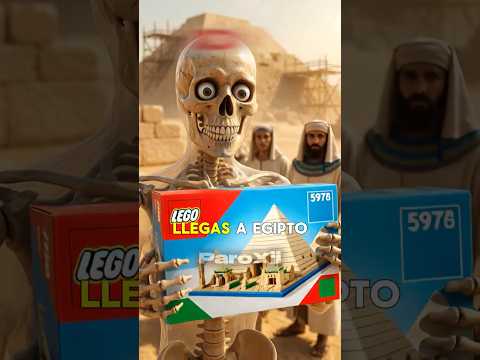
¿Qué pasaría si llevaras LEGO al Antiguo Egipto? #curiosidades #aventura #shortsviral
ParoXii
YouTube auto captions
This transcript was extracted from YouTube's auto-generated caption track. The transcript below is server-rendered so it can be read, searched, cited, and shared without opening the original YouTube player.
This video describes a hypothetical scenario where Lego is introduced into Ancient Egypt. Initially, the ease and speed of constructing detailed models with Lego captivate the attention of a priest, who marvels at the 'educated' nature of the blocks. Soon, children of nobles become obsessed, enjoying the freedom to build, dismantle, and rebuild structures, a stark contrast to traditional Egyptian craftsmanship. This rapid adoption leads to a backlash from the pharaoh's sculptors, who see Lego as trivializing sacred art, resulting in a ban on the blocks within the palace.
However, the turning point comes when the pharaoh observes his son using Lego, not for play, but to meticulously redesign a funerary chamber. This demonstration reveals Lego's potential as a powerful prototyping tool, transforming its perception from a mere toy to a 'rehearsal for eternity.' Within a month, Egyptian architects integrate Lego into their planning process, using it to visualize and refine designs before constructing in stone. This innovation leads to fewer errors, more tombs, and greater architectural ambition, ultimately teaching Egypt the value of practice before striving for perfection.
Key Takeaways
- Lego's introduction to Ancient Egypt quickly fascinates a priest due to its pre-engineered nature.
- Noble children rapidly embrace Lego, finding joy in building and rebuilding, which contrasts with traditional, permanent artistry.
- Royal sculptors initially resist Lego, viewing it as a desacralization of their art and a childish game.
- The pharaoh initially bans Lego from the palace due to the sculptors' complaints.
- The pharaoh re-evaluates Lego after observing his son using it for complex architectural design, recognizing its utility beyond a toy.
- Lego transforms into a crucial tool for Egyptian architects, allowing them to prototype designs, reduce errors, and foster greater ambition.
- The ultimate impact of Lego is enabling Ancient Egypt to practice and refine designs before committing to permanent construction.
Topics Covered
[0:00]Un sacerdote la mira, la rodea y pregunta, "Tus piedras pequeñas ya vienen educadas." Día dos, los hijos de los nobles se obsesionan.
[0:00]Por primera vez en Egipto, alguien derriba una estatua y la vuelve a montar riéndose.
[0:00]No está jugando, está cambiando el diseño de una sala funeraria, moviendo columnas, quitando muros inútiles.
[0:00]Mes uno, los arquitectos egipcios empiezan a usarlos antes de construir en piedra.


