[0:00]Assalamu Alaikum viewers, welcome to Dr. Tariq Abbas YouTube channel. We are learning English with ease and enjoy Urdu literature together. Dosto, aaj hum seekhne ja rahe hain look ke saath aane wale kuch important phrasal verbs. Dosto hum aaj dekhenge ke look for, look on, looking forward to, look up, look after, look down upon, look up to, looking out for, looking into, looking at, looking over, ka istemal hum kahan kahan kar sakte hain aur unko kahan use kiya jata hai. Now come to the first phrasal verb today. Uh see, there's a slide showing that we are, blank, the lost baby. So we have, you know, four options, looking for, looking on, looking forward to, look up. Toh isko dekhna padega ke yahan par suitable phrasal verb kaun sa hoga. Ab ye is blank ke baad jo hai, hissa jo bata raha hai sentence ka ke koi cheez kho gayi hai, koi cheez gum ho gayi. Something has been, you know, lost. So we are searching for that, hum usko dhoond rahe hain. Toh jab hum dhoondne ka lafz istemal karenge, dhoondna, khaas khaas karke dhoondna, woh cheez jo kho gayi ho. Matlab hum usko naye sire se nahi dhoond rahe, woh cheez hamare paas pehle hi thi. We have already something which is lost. Toh usko jab hum search karenge, jab hum usko dhoondhenge, toh uske liye word istemal hoga, phrasal verb istemal hoga, looking for. Toh iska right answer aayega looking for. Now come to the second sentence, the word in the dictionary. I mean before there is blank, the word in the dictionary. So again we have four options, look up, look after, look down upon, look up to. If you have knowledge of all these phrasal verbs, then you can easily pick up the right option. Toh jab aapke paas knowledge ho, maloom ho ke ye phrasal verb kahan istemal hoga. For example, jaise hum istemal karte hain look after, toh look after toh istemal hota hai kisi cheez ki care karna, kisi bande ki care karna. I am looking after my father, main apne baba ka khayal kar raha hoon ya abbu ka khayal kar raha hoon. Aur agar aap dusre phrasal verb ko dekhein, looking down upon, kisi cheez ko matlab kam samajhna, haqarat se dekhna. Look up to ka bhi kuch aur matlab hoga. Theek hai? Toh look up, ab look up ka matlab ye hai ke kisi cheez ko search karna, dhoondhna. Toh jab aap kisi cheez ko naye sire se dhoond rahe ho, jaisa ki maine aapko pehle phrasal verb mein bataya tha, koi cheez jab gum jaye, kho jaye, toh hum uske liye jo pehle se maujood ho aur kho jaye toh hum uske liye look for istemal karte hain. Toh yahan par hum koi cheez nayi dhoond rahe hain, matlab pehle se hame maloom nahi hai, toh hum uske liye istemal karenge look up. Look up the word in the dictionary, if somebody ask you sir, what is the meaning of this word? I would suggest that please look up the word in the dictionary. Aur iska ek dusra matlab ye bhi hai ke kisi cheez ko behtar banana. Look up se muraad behtar hona, kisi cheez ki maloomat lena, ye bhi ho sakta hai. Ya hum isko is tarah se istemal karein, things are finally looking up. Ab halat behtar ho rahe hain, ab cheezein sanwar rahi hain, dusra iska usage ye bhi hai. The other fill in the blank is, the eagle is blank, prey. Yahan par humein dekhna padega ki yahan pe kaunsa phrasal verb suitable hai, appropriate hai. Kuch milte julte bhi hain. As we have four options, looking out for, looking over, looking through, looking into. Jaisa ke ek do example ko aap chhaant sakte hain, door kar sakte hain, aapke options clear ho jayenge. Looking through, looking through matlab kisi cheez ko sarsari nigah se dekhna. Aur ek option ye hai ki looking into. Looking into ka matlab hota hai kisi cheez ki investigate karna, kisi matter ko investigate karna. Kisi masle ko chhanbin karna, toh aap kisi, kisi tafteesh ka hissa ho, toh usko kahenge looking into. Toh ab eagle ka toh kaam nahi hai kisi tafteesh ka hissa hona. Is tarah se kahein ke looking through kisi cheez ko sarsari nigah se dekhna, ye bhi eagle ka kaam nahi hai. Kisi cheez ko examine karna, ye kahin had tak eagle ka kaam hai, lekin ye human ke liye zyada istemal hota hai. Toh ab aapke paas option bachega, looking out for. Toh the eagle is looking out for prey. Toh looking out kehte hain kisi cheez ke liye vigilant rehna, bilkul hoshiyar rehna, taak mein rehna ke koi cheez samne aaye, zahir ho, aur woh us pe attack kare jise hum asaan Urdu mein kehte hain jhaptta mare. Toh the eagle is looking out for prey. Toh apne shikar ke intizar mein hai, search mein hai ke koi shikar mil jaye. Now come to the another fill in the blank that I blank, him as my own son. Toh ab yahan pe bhi hamare paas char options hain, I look on, I look to, I look up, I look out. Look up toh hum pehle discuss kar chuke hain kisi cheez ko search karna, nayi cheez ko search karna. Toh uske liye look up aayega, ye mostly word ke liye istemal hota hai, kisi lafz ko dhoondhne ke liye, ya kisi bhi cheez ko naye sire se dhoondhne ke liye. Aur look out bhi nahi aayega. Look to, look to kehte hain jahan pe aap apne manners ki baat karein, look to your manners. Ye tarika hai kisi ko matlab realize karayein ke ye sahi nahi hai, aapko apne manners ka khayal karna chahiye. Jaisa ki hum kahein ke you are late, you are late in the class, to the class, to the lecture. Come home, look to your manner. Toh ye look to usmein aa jayega. Ab look on ka matlab hota hai consider karna, kisi cheez ko consider karna, kisi cheez ko regard karna, kisi cheez ko accept karna, kisi cheez ko manna ke haan ye aisa hi hai. Toh consider karne ko, regard karne ko, use hum is sense mein lenge look on ko. Toh ye iska right option rahega look on. I look on him as my own son. Main use apne bete ki tarah samajhta hoon. Toh ye word yahan par appropriate hai, phrasal verb look on will be the best option here is I look on him as my own son. Achha, looked on ka ya look on ka ek aur matlab bhi ho sakta hai ke kisi cheez ko dekhna ya samjhein ke interest se dekhna. Theek hai? Baghaur dekhte rehna, ya zyada munasib ye hoga, tamashai ban kar dekhna. Bypasser jise kaha jata hai, toh is tarah se dekhna aur us cheez mein hissa na lena. Jaise log aapas mein jhagad rahe hon ya ulajh rahe hon kisi baat ko lekar aur aap kuch na karein, aap bas dekhte rahein. Hum usko keh sakte hain ke he just looked on as they argued, woh sirf tamasha dekhta raha jab woh jhagad rahe the. Theek hai? Toh iska ek istemal ye bhi hai, lekin zyada tar istemal woh jo maine aapko bataya ke look down matlab kisi cheez ko consider karna, usko regard dena, usko manna, same way mein treat karna, toh ye is tarah se hoga I look on, theek hai.
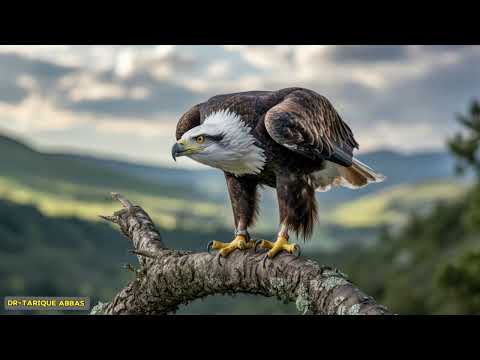
Phrasal Verbs || With Look || Part 03 || Urdu || Hindi || @Dr-Tarique
Dr-Tarique Abbas
7m 15s1,251 words~7 min read
YouTube auto captions
Transcript source
YouTube auto captions
This transcript was extracted from YouTube's auto-generated caption track. The transcript below is server-rendered so it can be read, searched, cited, and shared without opening the original YouTube player.
Pull quotes
[0:00]Dosto, aaj hum seekhne ja rahe hain look ke saath aane wale kuch important phrasal verbs.
[0:00]So we have, you know, four options, looking for, looking on, looking forward to, look up.
[0:00]Ab ye is blank ke baad jo hai, hissa jo bata raha hai sentence ka ke koi cheez kho gayi hai, koi cheez gum ho gayi.
[0:00]Toh jab hum dhoondne ka lafz istemal karenge, dhoondna, khaas khaas karke dhoondna, woh cheez jo kho gayi ho.
Use this transcript
Related transcript hubs
Watch on YouTube
Share
MORE TRANSCRIPTS


