[0:09]Thomas Kilman conflict modes is a really useful model in helping us understand how we and others approach conflict.
[0:21]The model is based on levels of cooperativeness and assertiveness. It's also about how much we focus on our own needs and then also about how we focus on the other person's needs.
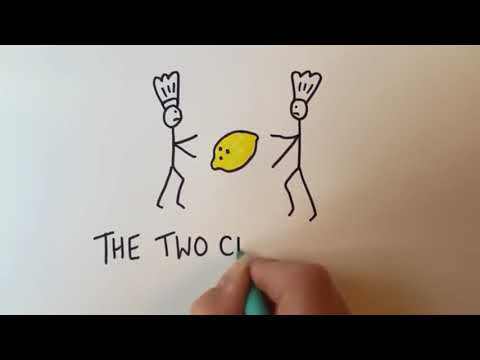
[0:46]The model identifies five typical approaches: competing, avoiding, accommodating, compromising, and collaborating. Competing style is both assertive and uncooperative. It's a style which uses power to win and get your own way and ends in a win-lose situation. It's about saying, I am right and you are wrong. Avoiding is not assertive, nor is it cooperative. It doesn't help you achieve your goals or anyone else achieve theirs and results in both parties losing out. It's a way of side stepping or postponing handling a conflict. Accommodating is putting the needs of others ahead of your own. It's about sacrificing what your goals are for other people and ends in a lose-win situation. It's about saying, you are right and I am wrong. Compromising is a way of partially meeting your own and the others' needs and is both assertive and cooperative. However, there's a risk that nobody fully gets what they want and so may not be an entirely successful approach. Collaborating is a way of fully getting what you want and enabling the other person to do that too. It's fully assertive and fully cooperative and achieves a win-win outcome for both parties. It might mean addressing an interpersonal problem to seek a solution or working together to solve a problem that was getting in the way. You may have heard the story about the two chefs fighting over the last lemon in the kitchen. Both chefs wanted the lemon to create their dish and argued over who should get the lemon. If one of the chefs was to take a competing approach, then the other chef would lose out entirely, meaning that only one dish would get made with the lemon. Another approach might be for both chefs to walk away from the conflict, avoiding it altogether. Here, neither of them get the lemon. Again, this would lead to them missing out and also the customer missing out. Taking an accommodating approach, perhaps one of the chefs could go and buy a bag full of lemons and hand them over. This would be a really selfless thing to do, but it may mean they forego their own needs entirely in favor of the other person's needs. Alternatively, they could compromise. They could split the lemon in half. And so, to an extent, both of the chefs get some of what they want, but the customer will only get half of the lemon in the dish and again misses out. The chefs were actually making two different dishes, one requiring the lemon zest, and one requiring the juice. If they'd discussed their needs in the first place, they would have realized that the best approach would have been to collaborate. I hope this has been a useful explanation of the Thomas Kilman conflict mode model.


