[0:00]Top 25 at auditor interview questions and answers. In this video, we will explore the top 25 IT auditor interview questions along with their detailed answers. These questions are designed to assess both technical skills and critical thinking required for a successful career in IT auditing. Whether you are a seasoned professional or new to the field, understanding these questions can enhance your preparation. Join us as we break down essential topics and insights to help you excel in your upcoming interviews. One. Can you describe your experience with IT risk assessments and audits? In my career, I have conducted numerous IT risk assessments and audits across various industries. My experience includes evaluating IT infrastructures, identifying vulnerabilities, and ensuring compliance with relevant regulations. I utilize frameworks such as NIST and ISO 27001 to guide my assessments. Additionally, I have worked closely with cross-functional teams to develop and implement remediation strategies. This hands-on approach allows me to understand the specific needs of the organization while aligning IT risk management with business objectives. Two. How do you ensure data integrity during an IT audit? Ensuring data integrity during an IT audit involves several key practices. First, I implement robust data validation techniques to verify accuracy and consistency. Utilizing checksums and hashes can help detect any unauthorized changes. Regular backups are crucial, allowing for recovery in case of data loss or corruption. I also conduct thorough reviews of data access controls to ensure only authorized personnel can alter sensitive information. Lastly, maintaining detailed documentation throughout the audit process helps track data handling and changes, supporting transparency and accountability. Three. What IT frameworks and standards are you familiar with? For example, ISO 27001, NIST, COBIT. I am familiar with several IT frameworks and standards, including ISO 27001, which focuses on information security management systems, and NIST, which provides a comprehensive framework for improving critical infrastructure cybersecurity. Additionally, I have experience with COBIT, which helps organizations manage and govern their IT environments effectively. Other frameworks I utilize include ITIL for IT service management and PCI-DSS for payment card industry security. Understanding these frameworks enables me to conduct thorough audits, ensuring compliance and enhancing security within organizations. Four. Explain the importance of internal controls and how you evaluate them in IT systems. Internal controls are crucial for safeguarding assets, ensuring data integrity, and promoting compliance within IT systems. They establish a framework for managing risks and achieving operational efficiency. In evaluating internal controls, I assess their design and effectiveness through various methods, including walkthroughs, testing transactions, and examining control documentation. I also conduct interviews with relevant personnel to understand their roles in the control process. This comprehensive approach helps identify gaps or weaknesses and ensures that controls align with organizational goals and regulatory requirements. Five. How do you approach risk assessment and management during an audit? In conducting risk assessments during an audit, I start by identifying critical assets and their associated threats. I engage with stakeholders to gather insights on potential vulnerabilities. Utilizing established frameworks, I evaluate the likelihood and impact of identified risks, prioritizing them accordingly. I then develop a risk management plan that includes mitigation strategies and controls. Regular communication with the audit team and stakeholders ensures alignment on risk priorities and fosters a collaborative approach to managing identified risks effectively throughout the audit process. Six. Describe a challenging IT audit you conducted and how you overcame obstacles. In one challenging IT audit, I encountered significant resistance from the IT department due to their concerns about potential disruptions. To address this, I initiated a collaborative approach, engaging stakeholders early in the process. I conducted preliminary meetings to explain the audit's objectives, emphasizing our shared goals of improving security and compliance. By building trust and demonstrating how the audit could benefit them, I gained their cooperation. This allowed for a smoother audit process, enabling us to identify critical vulnerabilities while minimizing disruption. Clear communication remained key throughout the engagement. Seven. How do you stay updated on the latest technologies and IT regulations? Staying updated on the latest technologies and IT regulations involves a multi-faceted approach. I regularly attend industry conferences and webinars, which provide insights into emerging trends and best practices. Subscribing to relevant journals, blogs, and newsletters ensures I receive timely information on regulatory changes. Networking with peers in professional organizations, such as ISACA or IIA, allows for sharing knowledge and experiences. Additionally, participating in online forums and taking relevant certification courses helps deepen my understanding and keeps my skills current in this rapidly evolving field. Eight. What techniques do you use to ensure accuracy in your audit findings? To ensure accuracy in my audit findings, I employ several techniques. First, I utilize a detailed checklist that aligns with relevant frameworks and standards, which helps maintain consistency. Secondly, I conduct thorough data validation by cross-referencing information from multiple sources, ensuring that discrepancies are identified early. Third, I leverage data analytics tools to analyze patterns and anomalies, which aids in uncovering hidden risks. Finally, I engage in peer reviews, allowing colleagues to examine findings for additional insights and reducing the likelihood of oversight. Nine. How do you handle disagreements with auditees regarding audit results? Handling disagreements with auditees requires a balanced approach. First, I listen carefully to their concerns and perspectives to fully understand their viewpoint. I then refer back to the evidence gathered during the audit, presenting it clearly and logically to support my findings. Open communication is key, so I encourage a collaborative discussion to explore any misunderstandings. If necessary, I involve relevant stakeholders for additional insight. Ultimately, the goal is to reach a mutual understanding while maintaining professionalism and respect throughout the process. 10. Can you discuss a time when you identified a significant IT security issue during an audit? What was the outcome? During an audit at a medium-sized financial institution, I discovered an unpatched vulnerability in their firewall system. This issue could have allowed unauthorized access to sensitive customer data. I immediately escalated the finding to management, recommending urgent remediation steps. The IT team was able to implement the necessary patches within 48 hours. Following this, I conducted a follow-up audit to ensure compliance, which confirmed that the vulnerability was successfully addressed, enhancing the organization's security posture significantly. 11. How do you prioritize multiple audit projects simultaneously? Prioritizing multiple audit projects requires a systematic approach. First, I assess the risk levels associated with each project, considering factors such as regulatory requirements, potential impact on the organization, and deadlines. I then engage with stakeholders to understand their concerns and expectations, which helps in prioritizing projects that align with business objectives. Utilizing project management tools enables me to track progress and allocate resources efficiently. Regular communication with the team ensures everyone is aligned and aware of priorities, allowing for effective time management and successful project completion. 12. Describe your experience with data analytics in the auditing process. Data analytics has significantly enhanced my auditing process by enabling me to analyze large datasets efficiently. I have utilized tools such as Excel, SQL, and specialized audit software to identify trends, anomalies, and potential risks within IT systems. By employing techniques like regression analysis and data visualization, I can derive insights and make informed decisions. This approach not only improves accuracy but also allows for a more targeted audit focus, enhancing the value of the audit findings for stakeholders and contributing to better risk management strategies. 13. How do you ensure effective communication with stakeholders throughout an IT audit? Effective communication with stakeholders during an IT audit involves regular updates, clear reporting, and active listening. I begin by establishing communication protocols at the project's outset, detailing how often updates will occur and preferred channels. Throughout the audit, I share preliminary findings and insights to keep stakeholders informed. It's essential to tailor communication styles based on the audience, using technical language for IT staff while simplifying concepts for non-technical stakeholders. Encouraging open dialogue fosters trust, allowing for timely feedback and adjustments as necessary. 14. What steps do you take to maintain objectivity and independence in your audit work? Maintaining objectivity and independence in audit work involves several key steps. First, I ensure that I remain impartial by avoiding conflicts of interest and not engaging in any activities that may compromise my judgment. I adhere strictly to professional ethics and guidelines established by auditing standards. Regular training and self-reflection help me recognize any biases. Additionally, I seek input from peers or supervisors when facing challenging situations, which provides a broader perspective. Transparency in reporting findings is crucial, ensuring that all conclusions are supported by data and factual evidence. 15. How does technology play a role in your auditing process? Give examples of tools you use. Technology significantly enhances auditing efficiency and accuracy. For instance, data analytics tools like ACL or IDEA help in analyzing large datasets to identify patterns and anomalies. Automated workflow management systems streamline the audit process, ensuring timely communication and task tracking. Additionally, risk assessment tools such as RSA Archer assist in evaluating IT controls and vulnerabilities. Utilizing cloud-based platforms allows for real-time collaboration among team members and stakeholders, while security information and event management (SIEM) tools help monitor security incidents during audits. 16. How do you train and mentor junior auditors in IT audit best practices? Training and mentoring junior auditors involves a comprehensive approach. First, I provide them with foundational knowledge of IT audit principles and frameworks through structured training sessions. I emphasize hands-on experience by involving them in real audits, allowing them to learn through observation and participation. Regular feedback sessions are essential to address their questions and enhance their skills. Additionally, I encourage them to pursue certifications relevant to IT auditing, which fosters professional growth and builds their confidence in applying best practices effectively. 17. Can you discuss your experience with forensic auditing or fraud detection? Forensic auditing involves investigating financial discrepancies and fraud within an organization. In my experience, I have conducted several forensic audits where I utilized data analysis techniques to identify unusual transaction patterns. Collaborating with legal teams, I gathered evidence and presented findings that led to successful fraud investigations. My approach typically includes interviewing key personnel, reviewing internal controls, and employing advanced analytical tools. By maintaining strict confidentiality and a methodical approach, I ensure that investigations are thorough and defensible in legal contexts. 18. How do you assess an organization's IT risk management practices? Assessing an organization's IT risk management practices involves several key steps. First, I review the organization's risk management framework to understand its structure and processes. This includes identifying key stakeholders, risk assessment methodologies, and reporting mechanisms. Next, I evaluate the effectiveness of risk identification, analysis, and response strategies. I conduct interviews with relevant personnel and analyze documentation to gauge compliance with industry standards. Additionally, I use data analytics tools to assess the organization's risk profile and highlight areas for improvement. Regular evaluation of risk management practices enables organizations to adapt to evolving threats and maintain resilience. 19. Describe a situation where you had to adapt your audit approach for a unique IT environment. In one instance, I was tasked with auditing a cloud-based service provider that utilized a unique hybrid IT environment combining both on-premises and cloud resources. Traditional audit approaches were not sufficient due to the dynamic nature of the cloud infrastructure. I adapted by employing a continuous monitoring strategy, leveraging automated tools for real-time data collection. Collaboration with the IT team was crucial, allowing me to understand their architecture and security protocols thoroughly. This adaptation ensured a comprehensive assessment of risks specific to their environment, ultimately enhancing audit effectiveness. 20. How do you ensure confidentiality and security of sensitive information during IT audits? Ensuring confidentiality and security of sensitive information during IT audits involves several key practices. First, I implement strict access controls, allowing only authorized personnel to access sensitive data. Second, I utilize encryption for data storage and transmission, protecting information from unauthorized access. Regular training sessions on data protection protocols for audit teams are crucial. Additionally, I adhere to compliance standards such as GDPR or HIPAA, which guide the handling of sensitive information. Finally, conducting thorough risk assessments ensures that vulnerabilities are identified and addressed proactively. 21. What strategies do you use to build rapport with clients and IT teams? Building rapport with clients and IT teams involves active listening, understanding their concerns, and fostering open communication. I prioritize establishing trust by being transparent about the audit process, setting realistic expectations, and showing respect for their expertise. Regular check-ins during the audit help maintain engagement and address any issues promptly. Additionally, I make an effort to acknowledge their contributions and successes, which cultivates a collaborative atmosphere. This relationship enhances cooperation and encourages a shared commitment to improving IT processes. 22. How do you evaluate the overall IT health of an organization during an audit? To evaluate IT health during an audit, I start by assessing the alignment between IT strategies and business objectives. This includes examining governance structures, risk management practices, and compliance with relevant standards. I conduct interviews with key stakeholders to gather insights on IT operations and performance metrics. Additionally, I analyze system configurations, user access controls, and data management processes to identify potential vulnerabilities. Conducting vulnerability assessments and reviewing incident response plans also contribute to understanding the organization's resilience. My approach emphasizes a comprehensive view that considers both technical and operational aspects of the IT environment. 23. Can you explain the significance of audit documentation and how you maintain it? Audit documentation serves as the backbone of the audit process, providing evidence of the work performed and supporting conclusions drawn. It is crucial for ensuring transparency, accountability, and compliance with relevant standards. I maintain documentation by organizing it systematically, using templates for consistency, and ensuring that all findings, risks, and recommendations are clearly recorded. Regular reviews help ensure completeness and accuracy. This meticulous approach not only facilitates the audit process but also aids in future audits by providing a clear historical reference. 24. How do you handle feedback or criticism regarding your audit work? Receiving feedback is crucial for professional growth. I approach feedback with an open mind, viewing it as an opportunity for improvement. When I receive criticism, I take time to reflect on the points raised and assess their validity. Engaging in a constructive dialogue with the person providing feedback helps clarify any misunderstandings and offers insights into different perspectives. I prioritize implementing actionable suggestions to enhance my auditing processes, ensuring I learn from each experience and continuously refine my approach. This mindset fosters a culture of learning and collaboration. 25. What could you give a 5-minute presentation on with no preparation, related to IT auditing? One potential topic for a spontaneous presentation could be The Importance Of IT Audit In Risk Management. This presentation would cover the role of IT audits in identifying vulnerabilities, assessing compliance with regulations, and ensuring data integrity. I would discuss common audit methodologies, the significance of frameworks like ISO 27001, and how they help organizations mitigate risks. Emphasis would be placed on real-world examples of successful audits that resulted in improved security measures and compliance, highlighting the auditor's role as a critical partner in organizational risk management. As we explored the top 25 IT auditor interview questions and answers, it's clear that preparation is key to success in this competitive field. By understanding these questions and crafting thoughtful responses, you can enhance your confidence and improve your chances of securing that desired position. Remember, each interview is an opportunity to showcase your skills and knowledge. If you found this video helpful, please give it a like and consider subscribing for more insightful content on IT auditing and career development. Your support helps us create more valuable resources for you.
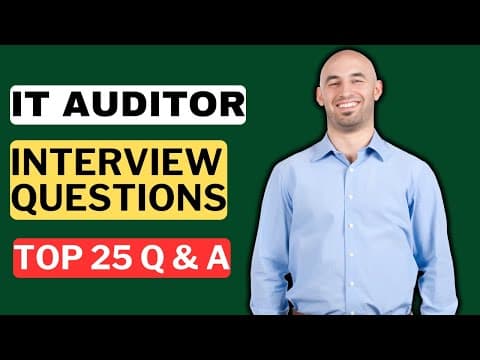
IT Auditor Interview Questions and Answers | How to Pass an IT Auditor Interview
InterviewGuide
16m 5s2,623 words~14 min read
YouTube auto captions
Transcript source
YouTube auto captions
This transcript was extracted from YouTube's auto-generated caption track. The transcript below is server-rendered so it can be read, searched, cited, and shared without opening the original YouTube player.
Pull quotes
[0:00]In this video, we will explore the top 25 IT auditor interview questions along with their detailed answers.
[0:00]These questions are designed to assess both technical skills and critical thinking required for a successful career in IT auditing.
[0:00]Whether you are a seasoned professional or new to the field, understanding these questions can enhance your preparation.
[0:00]Join us as we break down essential topics and insights to help you excel in your upcoming interviews.
Use this transcript
Related transcript hubs
Watch on YouTube
Share
MORE TRANSCRIPTS