[0:05]the worst people are the most successful and I'm going to show you why look around the most successful people in any room are rarely the nicest. the richest people are rarely the most generous. The most powerful people are rarely the most caring. The people running things are not the people who followed all the rules, they're not the ones who put others first. They're not the ones who forgave everyone and trusted everyone and gave everyone the benefit of the doubt. You've noticed this everyone notices this. and everyone pretends not to notice because it makes them uncomfortable. What if the traits you were taught to reject are actually the traits that create success. What if selfishness, coldness, ruthlessness, manipulation, all the things they told you were bad? What if those aren't bugs? What if they're features? What if the worst people aren't winning despite being bad? What if they're winning because of the exact traits you were programmed to throw away? You were raised to be good. Be kind, be selfless, be forgiving, be trusting, be content, be humble and you did it. You followed the programming. You became the good person they wanted you to be and look where it got you overlooked, underpaid, taken advantage of, watching people who break every rule you follow succeed while you do everything right and get nothing. This video reveals seven traits that society calls bad, but that actually drive success. not so you become evil, so you see what you've been throwing away, so you understand that the worst people aren't actually worse than you. They just kept the weapons you disarmed yourself of, because someone told you those weapons were wrong to have. But I need to warn you. This is going to make you uncomfortable. It's going to challenge everything you believe about good and bad. It's going to show you that some of your deepest virtues are actually your biggest handicaps. If you want to keep believing that nice people finish first, stop watching now, go back to finishing last. But if you're ready to see why the worst people keep winning, keep watching because in the next 30 minutes, you'll understand the game you've been losing your whole life. The first trait society calls bad is selfishness. You were taught that selfishness is wrong. Put others first, make sure everyone else is okay before you worry about yourself. If you have something share it. If someone needs you, be there. Give your time, give your energy, give your resources. The good person gives. The selfish person keeps. And you didn't want to be selfish, so you gave and gave and gave, but look at the people actually winning. They put themselves first always, without apology. They don't drain themselves making sure everyone else is okay. They make sure they're okay first. Then if there's anything left over, maybe they help others. Maybe their own oxygen mask goes on before anyone else's, always, not sometimes, always. Here's what nobody told you about selflessness. It's not noble, it's stupid. Every time you put someone else first, you're taking from yourself and giving to them. That's a transfer of resources. and the question you never ask is why? What are you getting back? Are they putting you first when you need them? Are they draining themselves for you like you drain yourself for them? Almost never. You give everything. They take everything and you call this being good. They call it being weak. The people benefiting from your selflessness aren't grateful. They're not thinking, wow, what a good person. They're thinking I can get more from them. They found someone who gives without limits. Someone who doesn't protect themselves. Someone who will drain their own tank to fill everyone else's. That's not virtue. That's a target. A resource to be extracted. You're not being good, you're being used. Selfishness isn't evil. Selfishness is just resource Protection. The selfish person keeps enough for themselves before they give to anyone else. That's not wrong, that's survival. The only difference between selfishness and self care is the label. Same behavior, different judgment. You've been avoiding selfishness because someone told you it was bad, but they told you that because your selflessness benefits them. Your empty tank is their full tank. Machiavelli understood this. He wrote that a man who wants to act virtuously in every way necessarily comes to grief among so many who are not virtuous. What he meant is that the selfless person gets destroyed in a world full of selfish people. You're giving to people who would never give to you. You're sacrificing for people who would never sacrifice for you. You're being virtuous in a world that punishes virtue and rewards taking. That's the first trait. Selfishness. The worst people prioritize themselves. The good people prioritize everyone else. Guess who ends up with more? But there's another trait that goes deeper. This one controls how you make decisions, how you respond to pressure, how you operate when things get hard. What is it? The second trait society calls bad is coldness. You were taught to be warm. Be emotional, show you care, let people see your feelings, connect with your heart, not your head. Good people feel deeply. Cold people are broken. You internalized this. You became warm, you led with your feelings. You made decisions based on how things felt, not on what made sense. But look at the people running things. They're cold, detached, logical. They don't make decisions based on how they feel. They make decisions based on what works. When everyone else is panicking, they're calculating. When everyone else is emotional, they're strategic. They process situations with their brain, not their heart, and they outmaneuver everyone who can't do the same. Here's what nobody told you about warmth. It makes you exploitable. Your emotions are buttons. Anyone who knows which buttons you have can push them. Make you feel guilty and you'll do what they want. Make you feel obligated and you'll give more than you should. Make you feel sympathetic and you'll forgive things you shouldn't forgive. Your warmth isn't connecting you to people. It's giving them control over you. Think about how many times your emotions led you to bad decisions. You stayed with someone because you felt bad leaving. You gave money you didn't have because you felt guilty saying no. You forgave someone who didn't deserve it because you felt sympathetic. Your feelings overrode your logic, and you suffered for it every single time. The cold person doesn't have this problem. They feel things, they just don't let feelings make decisions. Coldness isn't cruel, coldness is just decision making without emotional interference. The cold person assesses situations logically. Asks what makes sense, asks what serves their interests, then acts accordingly. No guilt, no sympathy, no manipulation through feelings. They see the situation clearly because emotions aren't clouding their vision. That's not broken, that's effective. Machiavelli wrote to never let your emotions overpower your intelligence. What he understood is that emotions are interference. They cloud judgment, they create vulnerabilities. They make you predictable. The warm person gets played through their feelings. The cold person can't be reached that way. They're a fortress, nothing gets through that isn't allowed through. That's not cruelty, that's Protection. That's the second trait coldness. The worst people think with logic. The good people think with feelings. Guess who makes better decisions? But there's another trait underneath this one. This one determines who stays in your life and who gets removed. Without this trait, the first two don't matter because you'll let the wrong people stick around forever. What is it? The third trait society calls bad is ruthlessness. You were taught to be forgiving. Give second chances. Be patient with people. Everyone makes mistakes. Everyone deserves another opportunity. Good people see the best in others. Good people wait for people to change. Good people extend grace. You became forgiving, became patient, became the person who always gave one more chance. But look at the people protecting their success. They cut people off fast, without guilt, without long conversations about how hurt they are, without giving chance after chance after chance. Someone betrays them once, gone. Someone shows their true colors, removed. Someone proves they can't be trusted. Deleted. No explanation needed. No closure given, just gone. Here's what nobody told you about forgiveness. It keeps toxic people in your life. Every time you forgive someone who burned you, you're teaching them they can burn you again. You're not being gracious. You're being foolish. They learn that there are no real consequences for hurting you. They learn that you'll accept whatever they do. They learn that your boundaries are suggestions, not rules. And they keep doing the things you keep forgiving. Think about someone who keeps hurting you. How many chances have you given them? How many times have they apologized and you believed them? How many times have they promised to change and you waited for the change that never came. You're still waiting. You're still forgiving. They're still hurting you because your forgiveness is enabling them. Your patience is permission. The ruthless person doesn't have this pattern. They remove people at the first sign of betrayal. And guess what? They don't have repeat offenders. Ruthlessness isn't cruel. Ruthlessness is just quality control on relationships. The ruthless person has standards. Cross them and you're out. Not because they're mean, because they value themselves too much to keep people around who don't treat them right. That's not cold, that's self respect. The only difference between ruthlessness and boundaries is that ruthless people actually enforce their boundaries instantly, without negotiation. Machiavelli wrote that if you need to injure someone, do it in such a way that you do not have to fear their vengeance. What he meant is that half measures create enemies who stick around. The forgiving person injures halfway. They express disappointment but keep the person close. They communicate hurt but give another chance. They create resentful people who stay in their life. The ruthless person removes completely. No halfway, no lingering enemy, just gone. That's the third trait. Ruthlessness. The worst people remove problems immediately. The good people give problems unlimited chances. Guess who has fewer problems? But there's another trait that connects to this one. This one is about how you get people to do what you need them to do, how you navigate relationships strategically instead of naively. What is it? The fourth trait society calls bad is manipulation. You were taught that manipulation is evil. Be honest, be direct, be transparent. Say what you mean and mean what you say. Don't try to influence people, don't play games, don't strategize about relationships. Good people are straightforward. Manipulators are bad people. You became honest, direct, transparent. You said exactly what you thought. You showed exactly what you felt. You played no games. But look at the people who get what they want from others. They understand influence. They know how to frame things so people agree. They know when to push and when to pull back. They know what motivates different people. They know how to position requests so they sound beneficial. They know how to make people feel like helping them is their own idea. They understand human psychology and they use it every single day. Here's what nobody told you about honesty. It's a handicap in a world of strategic people. While you're being direct, they're being strategic. While you're showing all your cards, they're calculating which cards to show. While you're telling the truth, they're telling the truth that serves them. You're playing checkers. They're playing chess. And you keep losing and calling it integrity. Think about negotiations you've lost, arguments where you were right but didn't win. Situations where you said the honest thing and it backfired. Relationships where your transparency gave someone ammunition against you. Your honesty isn't noble. It's naive. You're operating as if everyone plays by the same rules. They don't. Some people are playing a strategic game and they beat the honest people every single time because honest people are predictable. Manipulation isn't evil. Manipulation is just understanding how people work and using that understanding. Everyone influences everyone else. That's called communication. The only difference between influence and manipulation is whether someone approves of your goal. When they like your goal, it's persuasion. When they don't, it's manipulation. Same technique, different label. You've been avoiding manipulation because someone told you it was bad. Meanwhile, they've been manipulating you into avoiding it. Machiavelli wrote that everyone sees what you appear to be. Few experience what you really are. What he understood is that perception is reality. The strategic person manages perception. Shows what helps them, hides what hurts them. Shapes how others see them. The honest person shows everything. Gives everyone information that can be used against them. Calls it being real, it's being foolish. You see why the worst people win now. Selfishness, coldness, ruthlessness, manipulation. You see the weapons they have that you threw away, but there are three more traits. These last three are the ones that make the first four permanent. Without them, you'll slip back into good programming. What are they? The fifth trait society calls bad is paranoia. You were taught to trust people. Give them the benefit of the doubt, assume good intentions, believe what they tell you. Good people aren't suspicious. Good people take people at their word. Good people don't assume the worst. You became trusting, open, vulnerable. You believed people until they gave you reason not to. But look at the people who never get betrayed. They trust slowly. They verify everything. They watch what people do, not just what they say. They assume everyone has an agenda until proven otherwise. They don't give the benefit of the doubt because doubt protects them. They look paranoid, but they never get blindsided. They never wake up to a betrayal they didn't see coming because they were watching, always watching. Here's what nobody told you about trust. It's a vulnerability. Every time you trust someone, you're placing a bet. You're betting they'll do what they said, betting they have your interests in mind, betting they're telling the truth, and you're placing these bets with almost no information. You just met someone and you're trusting them. You just started working with someone and you're trusting them. You barely know them, and you're giving them access to hurt you. Think about every betrayal you've experienced. Did it come from a stranger or someone you trusted? It came from someone you trusted. It always does. Strangers can't betray you because you didn't give them access. But the people you trusted, you opened the door. You let them in. And then they did what people do when they have access and opportunity. They served themselves at your expense. Your trust made it possible. Paranoia isn't crazy. Paranoia is just verification before investment. The paranoid person doesn't trust words. They watch behavior over time. They test people in small ways before trusting them in big ways. They keep their guard up until someone has proven repeatedly that they're trustworthy. That's not living in fear. That's living in intelligence. The only difference between paranoia and prudence is degree. A little paranoia prevents a lot of pain. Machiavelli wrote that men are so simple and ready to obey present necessities that one who deceives will always find those who allow themselves to be deceived. What he understood is that most people want to believe. They want to trust. They want to take the easy path of just accepting what they're told. And deceivers know this. They rely on it. They count on your trust. Your paranoia breaks their game. They can't deceive someone who verifies. They can only deceive someone who trusts. That's the fifth trait. Paranoia. The worst people verify everything. The good people trust everything. Guess who gets betrayed less? But there's another trait that drives everything forward. This one is about ambition, about wanting more, about never being satisfied with where you are. What is it? The sixth trait society calls bad is greed. You were taught to be content. Be grateful for what you have. Don't be materialistic, don't always want more. Enough is enough. Good people are satisfied. Greedy people are never happy. You became content, grateful, accepting of what you had. You stopped wanting more because wanting more was bad. But look at the people who actually build things. They want more, always. They're never satisfied. They get something and immediately want the next thing. They hit a goal and immediately set a bigger one. They accumulate and keep accumulating. No ceiling, no enough, just more and more and more. They look greedy, but they keep growing while you stay exactly where you are. Here's what nobody told you about contentment. It's the death of ambition. When you're content, you stop pushing. When you're grateful for what you have, you stop reaching for what you could have. When enough is enough, you never get more than enough. Contentment feels peaceful, but it's the peace of giving up. The peace of accepting limitation, the peace of staying exactly where you are until you die. Think about what you've accomplished versus what you could accomplish. Are you content with the gap? Are you grateful for limitation? Are you at peace with unlived potential? The content person accepts the gap. The greedy person closes it. The content person makes peace with mediocrity. The greedy person refuses mediocrity. You've been taught that the content person is happier, but the content person is just more comfortable with failure. Greed isn't evil. Greed is just ambition without an artificial ceiling. The greedy person wants more because more is possible. Why would you stop when you could keep going? Why would you accept less when you could have more? The only reason is that someone told you wanting more was bad, but they told you that because your contentment keeps you manageable. Your satisfied smile makes you easier to control than someone who keeps demanding more. Machiavelli wrote that the wish to acquire is in truth, very natural and common. What he understood is that wanting more is human nature. Everyone wants more. The only difference is that some people suppress it, and some people act on it. The suppressors stay stuck. The actors keep climbing. Your greed isn't shameful, it's fuel. The only question is whether you're going to use it or bury it. That's the sixth trait. Greed. The worst people always want more. The good people settle for what they have. Guess who ends up with more? But there's one final trait. The one that holds all the others together. The one that the worst people have that you definitely don't have yet. Without this trait, you'll never be able to use the first six in public. What is it? The seventh trait society calls bad is shamelessness. You were taught to care what people think. Be humble, be modest. Don't draw too much attention to yourself. Don't be too confident, don't be too proud. Good people are self-aware. Good people feel appropriate shame when they mess up. Good people care about how others perceive them. You became humble, modest, aware of judgment, careful about perception. But look at the people who actually go after what they want. They don't care what you think. They do what works regardless of how it looks. They ask for things you'd be too embarrassed to ask for. They promote themselves in ways you'd find shameful. They take credit, take space, take attention. And when people judge them, they don't flinch. They keep going because other people's opinions are not their concern. Here's what nobody told you about shame. It's a leash. Someone else is holding it. Every time you feel shame, you're being controlled by what someone else might think. You don't start the business because people might judge. You don't ask for the raise because it might seem greedy. You don't post the content because people might criticize. You don't chase what you want because you're ashamed of wanting it. Your shame is not your conscience. It's a collar. And other people's opinions are the hand pulling it. Think about everything you haven't done because of shame. The opportunities you didn't take. The asks you didn't make, the attention you didn't claim. The success you didn't pursue. All because you cared what someone might think. People who don't even matter, people who aren't even watching, people who have their own problems and aren't thinking about you anyway. You limited your entire life for the opinion of people who don't care about you. Shamelessness isn't arrogance. Shamelessness is just freedom from external control. The shameless person does what works. Promotes themselves shamelessly. Asks for what they want shamelessly. Pursues success shamelessly. Not because they're obnoxious, because they refuse to let other people's potential judgments limit their actual life. That's not ego. That's liberation. The only difference between shamelessness and confidence is that shameless people don't check if you approve first. Machiavelli wrote that it is better to be feared than loved if you cannot be both. What he understood is that caring about being loved gives others power over you. They can control you through your need for approval. The shameless person doesn't need your approval, doesn't fear your judgment, can't be controlled through reputation because they don't worship their reputation. They do what works. Period. Your opinion is irrelevant to their action. That's the seventh trait. Shamelessness. The worst people don't care what you think. The good people build their entire lives around what people might think. Guess who lives more freely? Seven traits, selfishness, coldness, ruthlessness, manipulation, paranoia, greed, shamelessness. Put them together and you have the worst person. The person everyone calls bad. The person everyone judges. The person everyone whispers about. The person everyone secretly watches succeed while they fail. You are programmed to reject every single one of these traits, not for your benefit, for theirs. Selfless people are easier to exploit. Warm people are easier to manipulate through their emotions. Forgiving people are easier to abuse because they don't remove abusers. Honest people are easier to outmaneuver because you can see all their cards. Trusting people are easier to betray because they don't verify. Content people are easier to keep down because they don't demand more. Ashamed people are easier to control because you just threaten their reputation. Your virtues were never about making you successful. They were about making you manageable, controllable, exploitable. The people who taught you to be good didn't have your success in mind. They had their convenience in mind. A world full of good people is a world full of people who are easy to take from. You're not becoming evil by developing these traits. You're removing handicaps. You're picking up weapons you were told were wrong to have. You're becoming competitive in a game where everyone else is already playing this way. They just pretend they're not. They publicly celebrate virtue while privately practicing everything I just described. The only difference between you and them is that they dropped the act a long time ago. The good people in your life will notice you changing. They'll see you putting yourself first. They'll see you making cold decisions. They'll see you cutting people off. They'll see you getting strategic. They'll see you trusting less. They'll see you wanting more. They'll see you caring less about their opinions. And they'll judge you. They'll call you different. Cold, selfish, not who you used to be. Good. You're not who you used to be. You're not the person who finishes last anymore. You're not the person who gets overlooked and underpaid and taken advantage of. You're not the person running handicap programming while everyone else runs competitive programming. Let them call you the worst person. You know what the worst people have that the good people don't? Success, power, resources, freedom. While the good people are being good and losing, the worst people are being strategic and winning. Now you know why. Now you know how. Now the only question is whether you're going to keep being good and keep losing or whether you're ready to become the worst person in the room. The one everyone judges. The one everyone whispers about. The one everyone watches succeed while they fail. The worst people are the most successful. Now you know why. Now you can be one of them. If you have made it this far, it is because a part of you already knows this truth. Success does not reward goodness. It rewards decisiveness, detachment, and the ability to act without hesitation. Many who rise are not the most moral, they are the most strategic. Willing to make choices others avoid. Now tell me in the comments if you are ready to see power without illusions. If this message touched you and made sense, write in the comments, I see the truth. Let us see how many here are truly prepared to understand how success actually works and do not forget, keep watching the next video, it is important, much more than you imagine. See you there.
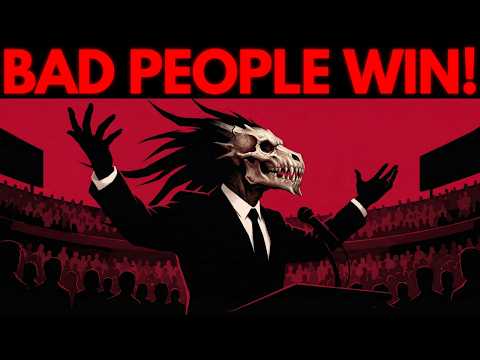
Why the WORST People Are the Most Successful - Machiavelli
VULTUS
25m 42s4,241 words~22 min read
YouTube auto captions
Transcript source
YouTube auto captions
This transcript was extracted from YouTube's auto-generated caption track. The transcript below is server-rendered so it can be read, searched, cited, and shared without opening the original YouTube player.
Pull quotes
[0:05]the worst people are the most successful and I'm going to show you why look around the most successful people in any room are rarely the nicest.
[0:05]The people running things are not the people who followed all the rules, they're not the ones who put others first.
[0:05]They're not the ones who forgave everyone and trusted everyone and gave everyone the benefit of the doubt.
[0:05]What if the traits you were taught to reject are actually the traits that create success.
Use this transcript
Related transcript hubs
Watch on YouTube
Share
MORE TRANSCRIPTS


