[0:00]why you need to wait for liquidity to get grabbed before entering a trade. Now, for you to understand why setup number one hits our stop loss here, look at the previous impulse in towards the highs before the next strong continuation trade takes place. We grab liquidity underneath a little pullback. Now, whenever you have an impulse in towards the highs, identify these little pullback lows because that is where liquidity will be positioned. And once liquidity gets grabbed as we for example had over here, the real continuation up can then take place. Therefore, in the most recent price action, this here is the impulse, this here is the over liquidity low. Liquidity then gets swept, we then go to the one hour time frame where we can clearly see that the internal market structure then shifts bullish in towards the highs. That is then where I place my entry on top of the demand zone, stop loss underneath the lows and that's when the real trade in towards the highs then plays out.
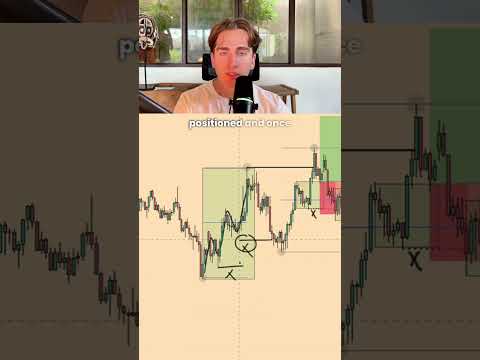
How To Take Trades Using Liquidity
The Trading Academy
53s176 words~1 min read
YouTube auto captions
Transcript source
YouTube auto captions
This transcript was extracted from YouTube's auto-generated caption track. The transcript below is server-rendered so it can be read, searched, cited, and shared without opening the original YouTube player.
Pull quotes
[0:00]Now, for you to understand why setup number one hits our stop loss here, look at the previous impulse in towards the highs before the next strong continuation trade takes place.
[0:00]Now, whenever you have an impulse in towards the highs, identify these little pullback lows because that is where liquidity will be positioned.
[0:00]And once liquidity gets grabbed as we for example had over here, the real continuation up can then take place.
[0:00]Therefore, in the most recent price action, this here is the impulse, this here is the over liquidity low.
Use this transcript
Related transcript hubs
Watch on YouTube
Share
MORE TRANSCRIPTS


