[0:00]Some adverts just sell stuff. Others, they change the way we think. They reshape industries, redefine brands and sometimes they rewrite the rules of culture. Welcome to the marketing campaigns that didn't just work, they made history.
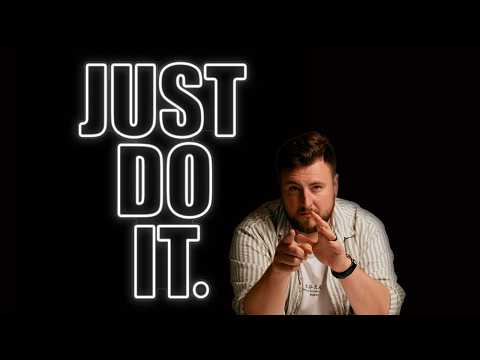
[0:31]In the late eighties, Nike was getting destroyed commercially by Reebok. With financial downturn on the horizon, three little words changed everything. Just do it. As the story goes, a copywriter from Nike, a guy called Dan Wieden. Famously pulled the lines from a convicted murderer Gary Gilmore as it was the last words he said before he was given the death sentence. His words were actually, let's do it. But Dan had a better idea, tweaked it slightly and Nike ran with it. Now, taking it away from the controversial context. Dan had envisioned that it wasn't really just about trainers anymore. It was about self-belief and it was about pushing limits. For the first time in the company's history, Nike stopped selling sportswear and started selling identity. The Just Do It campaign showed that emotion is such a powerful catalyst for brand loyalty. The results, well, Nike went from 18% market share to 43% over a decade. And over 30 years later, they're still using Just Do It today. Even recently they won an award with a Super Bowl ad with Colin Kaepernick. In a nutshell, what this shows is that you don't just sell a product, you sell its purpose.
[1:50]In 1984, Apple didn't just launch the Macintosh. They launched a revolution. The Macintosh computer was going to revolutionize home computing. Conceptualized by the same idea that Henry Ford had for a car for every home and every family, the Macintosh was going to be the home computer. With an ad campaign directed by Ridley Scott, yes, that Ridley Scott, influenced by George Orwell's 1984, the ad was a direct attack at Big Brother and the Big Tech companies of the time. Showing that Apple was for the misfits and the creators. And here's the mind-blowing thing about that advert. It didn't even show the product. Yes, a tech company hyping a product without even a hint of what it looks like. It aired once during the Super Bowl and that was enough to make history. So what can we learn from this? Well, this is a lesson in being bold, taking risks and more often than not, the story is more important than the product.
[2:54]Old Spice used to be your granddad's aftershave. In fact, it was always what we bought my dad for Christmas. I'm on a horse. However, in 2010, they became the coolest thing on YouTube. How? They used humor, absurd, very charming, endlessly quotable humor. I'm on a horse. They showed how scent was a powerful attraction and an absurd meme. The results, well, views in the millions, sales doubled, the brand revitalized, and suddenly Old Spice wasn't old anymore, it was new. The success of the advert meant that lots of media outlets picked it up, including talk show hosts like Oprah Winfrey, where Isaiah Mustafi even came on the show and did hilarious skits with them. By the end of 2010, that single advert had been viewed 11 million times. Now, let me just say, 11 million times for a perfume advert. So what do we take away from this? Know your audience, but then surprise them.
[3:57]In 2004, Dove asked a pertinent question. What if beauty ads actually looked like the people buying them? Created by the minds of Ogilvy, the campaign started with an exhibit, Beyond Compare Women Photographers on Real Beauty. The campaign was based on in-depth creative research done by a collection of three universities that found that only 4% of women liked the way they looked. Dove wanted to change that by using real people, real bodies and real stories. What happened? Well, it worked, sales doubled. It even evolved into a new campaign, which is talk to your daughter before the beauty industry does. The campaign itself sparked a huge global debate about beauty standards and the levels of photoshopping and editing and just masking that the beauty industry does to create these unrealistic standards. They did get a little pushback saying they're trying to monetize body positivity. But Dove actually banned the use of Photoshopping in all of their advertisements going forward, which had a huge domino effect across the entire industry. So, what can we learn from this? Well, I think that we can say that active change can be a powerful marketing tool.
[5:08]When we think of Red Bull, we think of extreme sports, crazy stunts. But this campaign had the world on the edge of its seat. In 2012, Red Bull spent almost $30 million on sending Felix Baumgartner to the edge of space and making him jump. Felix Baumgartner stood 24 miles above the earth on the stratosphere, a custom built helium balloon. Slowly took him up, it took him three hours to get there, and then as the world quietly held its breath, he jumped.
[5:57]Free-falling at 800 miles an hour, breaking the sound barrier with his face. No aircraft, no engine, just gravity. Was it a stunt? Was it a science project or was it just a branding master class? I think all of the above. So what was the return on that $30 million investment? Well, about 500 million in sales exposure. And being covered by every single major news outlet in the entire world. This cemented Red Bull as the brand of pushing limits of adrenaline and literally going further than anyone else. What can we learn from this? Well, for me it's that brands are more than their products. If they want, they really can create something truly unforgettable. talking about red bull. the drinks have energy. not Red Bull. Although Red Bull if you're watching, I will accept a sponsorship.
[6:59]Black Friday, the New York Times. A full-page ad that said don't buy this jacket. Patagonia just changed the narrative. In a holiday season drenched with overconsumption, Patagonia told people to buy less, to think twice, and to join them on their environmental mission. Patagonia took a risk, they took out a full-page advert in one of the biggest magazines in all of America on one of the biggest holiday seasons in all of America for retail. And they told people not to buy things. But here's the funny thing, their sales went up 30%. Clever marketing tactics aside, Patagonia approved that if you stand on your morals and stand on your values as a company and put your money where your mouth is, people will respond to that. So while in effect, the campaign didn't actually make people buy less, it did make people think about what they were buying and that's what really mattered. So what can we learn from this? Well, sometimes the best way to sell something is to not sell it. So what do all of these brands have in common? Well, on the surface, not a lot. Different audiences, different products, wildly different tones. But dig deeper and you will see the same blueprint running under all of them. These campaigns work because they break expectations. Nike didn't talk about trainers, they spoke to your ambition. Apple didn't show you their product, they showed you a revolution. Old Spice got your attention with a joke, but they rebuilt their entire brand with it. Patagonia told you not to buy but sold you trust instead. Dove showed real women and women saw themselves. And Red Bull, they didn't even advertise. They just threw a guy from space. All of them found a deeper story, something beyond the product, an emotion, a feeling, an instinct. They connected not just with customers, but with people, with identities, with cultures. Each one understood its audience and respected their intelligence. They weren't just creative, they were strategic. They knew the one truth about modern marketing, that you don't sell the product, you sell participation. A slogan to shout, a challenge to try, a belief to rally behind. And that's why these campaigns didn't just change sales numbers, they changed conversations, they changed behaviors, and they changed marketing itself. And that's it. Those were the marketing campaigns that changed history. There's probably a bunch more. If we missed out some of your favorites, put them down in the comments. Mine's probably the Apple one, but I am partial. Uh, don't forget to like and subscribe. And if you like this sort of stuff, check out the rest of the stuff on the channel, it's pretty good. Promise.


