[0:00]Assalamualaikum. I've been reading uh in both the actual Quran and the study Quran to read the tafsir. I looked online for the tafsir as well from different angles. And I'm a little bit confused. Not by the Quran itself but by people describing certain things. Because if you spend a lot of time online, you'll hear people things about this, about controlling women, patriarchy, oppression, male privilege, but then when I actually start reading it, not just the verses but the words here too. What I'm seeing over and over again is very different. The souls starts with orphans. It talks about inheritance. It talks about widows. It talks about marriage. It talks about wealth, about it talks about people abusing power. And most of all it talks about justice. And the deeper I go the more it seems like this chapter is asking, what happens when human beings have power over each other? What happens when a guardian controls the orphans' wealth. What happens when a husband has authority in a marriage? What happens when families divide inheritance? What happens when people are vulnerable? What happens when people exploit each other and nobody stops them. And honestly the answer thissura is giving regulated. Don't steal from the orphan. Don't consume their wealth. Give women their bride gift. Don't take it unjustly. distribute inherence properly. Take care of the people that are dependent on you. Speak honourably, act justly, fear God again and again and again. And then I get to the first that everyone seems obsessed with. You can marry two, three, four. But what I find fascinating when you look at history. The verse itself is literally surrounded by discussions about justice, responsibility and protection of vulnerable people. And it immediately says, if you fear you cannot be just than just one. Because during that time people could have unlimited wives. The emphasis doesn't seem on maximizing rights. It seems on maximizing responsibility. And that's why I get confused about the modern discussions because so many people seem to read these verses looking for what they're allowed to do. But this but the text itself seems focused on what you're accountable for. That's a very different mindset. So the more I read, the less it feels like a chapter about more like a chapter about regulating power so people don't abuse each other. Like especially the vulnerable orphans, women, children, dependents, the poor. people with without protection. So when I hear people use Islam or judge Islam to justify oppression, manipulation or domination, I honestly struggle to see this in what I'm reading. But I know people can make it into that. maybe I'm still learning. I'm definitely still learning. And I'll probably come across things that I still don't understand. But right now, after actually reading the Quran and the book for myself. What I'm seeing is a text deeply concerned with justice, not entitlement, not exploitation, justice. I think that's worth reflecting on.
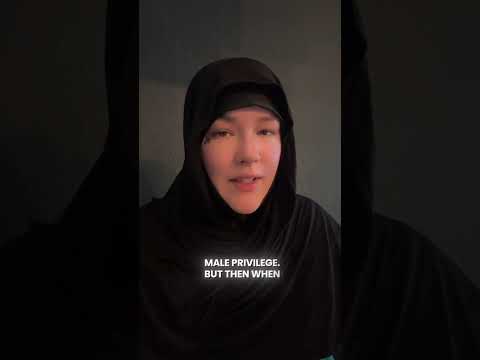
I Was Told Islam Oppresses Women!😭... Then I Read Surah An-Nisa | as a Revert Muslimah ☪️
Converted Muslimah Sister
4m 0s498 words~3 min read
AI audio transcription
Transcript source
AI audio transcription
This transcript was generated from the video's audio because no usable YouTube caption track was available. The transcript below is server-rendered so it can be read, searched, cited, and shared without opening the original YouTube player.
Pull quotes
[0:00]I've been reading uh in both the actual Quran and the study Quran to read the tafsir.
[0:00]And the deeper I go the more it seems like this chapter is asking, what happens when human beings have power over each other?
[0:00]The verse itself is literally surrounded by discussions about justice, responsibility and protection of vulnerable people.
[0:00]And that's why I get confused about the modern discussions because so many people seem to read these verses looking for what they're allowed to do.
Use this transcript
Related transcript hubs
Watch on YouTube
Share
MORE TRANSCRIPTS


