[0:00]Someone struggling with trauma may have many signs similar to social anxiety, and perhaps that can be a part of it. Psychotherapist, Katie Gillis, states that people who grew up in unstable and chaotic environments that constantly required them to be on their toes, can continue these trends later in life. Things like going out in crowded places, answering phone calls, or having an unexpected visitor at the door can lead to stress, especially when they haven't had time to prepare. Gillis explains that this may arise from situations where they have consistently had their boundaries violated, or were put on the spot. Various social situations can mimic these traumatic moments where they were berated, hurt, or humiliated in the past, and they will do their best to avoid it. This can strain friendships and make theoretically fun events draining.
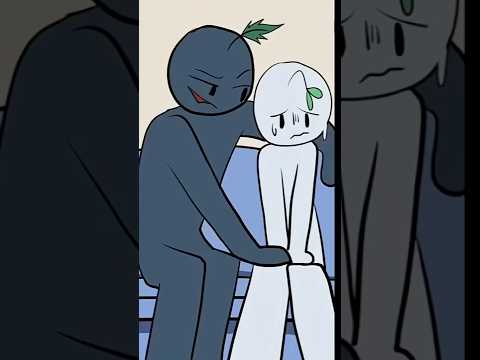
How Trauma can Paralyze You
Psych2Go
52s140 words~1 min read
YouTube auto captions
Transcript source
YouTube auto captions
This transcript was extracted from YouTube's auto-generated caption track. The transcript below is server-rendered so it can be read, searched, cited, and shared without opening the original YouTube player.
Pull quotes
[0:00]Someone struggling with trauma may have many signs similar to social anxiety, and perhaps that can be a part of it.
[0:00]Psychotherapist, Katie Gillis, states that people who grew up in unstable and chaotic environments that constantly required them to be on their toes, can continue these trends later in life.
[0:00]Things like going out in crowded places, answering phone calls, or having an unexpected visitor at the door can lead to stress, especially when they haven't had time to prepare.
[0:00]Gillis explains that this may arise from situations where they have consistently had their boundaries violated, or were put on the spot.
Use this transcript
Related transcript hubs
Watch on YouTube
Share
MORE TRANSCRIPTS


