Thumbnail for Sleep Apnea Explained by Dr Wealz

Sleep Apnea Explained

Dr Wealz

35s119 words~1 min read
YouTube auto captions
Transcript source

YouTube auto captions

This transcript was extracted from YouTube's auto-generated caption track. The transcript below is server-rendered so it can be read, searched, cited, and shared without opening the original YouTube player.

Timestamped outline
Pull quotes
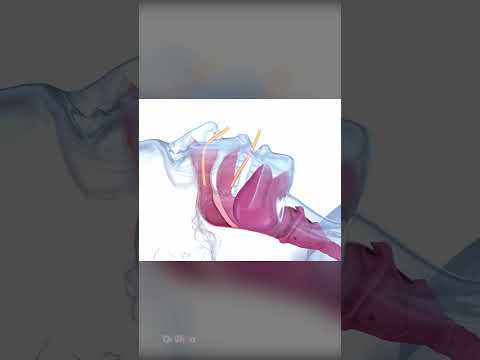
[0:00]These muscles provide support for the tonsils, the tongue, the soft palette, the uvula, the side walls of the throat, and the triangular piece of tissue that hangs from the soft palette.
[0:23]When your brain detects that you are having trouble breathing, it abruptly wakes you up so that you can clear your air passages.
[0:34]Each hour throughout the night, this sequence may repeat itself 5 to 30 times or more.
Use this transcript
Related transcript hubs

[0:00]When the muscles in the back of the throat relax, it causes sleep apnea. These muscles provide support for the tonsils, the tongue, the soft palette, the uvula, the side walls of the throat, and the triangular piece of tissue that hangs from the soft palette.

[0:15]Your airway narrows or shuts as you inhale when the muscles relax. Your blood's oxygen level may decrease if you don't get enough air.

[0:23]When your brain detects that you are having trouble breathing, it abruptly wakes you up so that you can clear your air passages. This awakening is usually so brief that it is forgotten.

[0:34]Each hour throughout the night, this sequence may repeat itself 5 to 30 times or more.

Need another transcript?

Paste any YouTube URL to get a clean transcript in seconds.

Get a Transcript

