[0:00]Cómo sobrevivía la gente a una cirugía sin anestesia? Antigua. Antigua Roma, el único analgésico era el vino. Bebes hasta perder la sensibilidad en las piernas. Poco vino significa sentir absolutamente todo el dolor. Demasiado vino significa morir antes de empezar. La cantidad correcta era una simple adivinanza tuya. Persia medieval, usaban la famosa esponja soporífera. Eran hierbas empapadas presionadas sobre tu rostro hasta que te desmayaras. Lo curioso es que nadie conocía la dosis exacta para no matarte. Inglaterra del siglo XIX. Cero drogas y ninguna esponja, solo el cirujano más rápido del mundo, llamado Robert Liston. Amputaba piernas enteras en 28 segundos, era tan veloz cortando carne humana que accidentalmente amputó los dedos de su propio asistente. Ambos hombres murieron, el asistente y el paciente, debido a horribles infecciones. Sus compañeros le pedían a gritos que ya no operara, pero él nunca los escuchó. 1846, William Morton es la primera persona en usar éter, el paciente se duerme y no siente ningún dolor. Desde entonces hasta el día de hoy es como funciona la anestesia, a no ser que seas de esos que busca sus síntomas con Chat GPT.
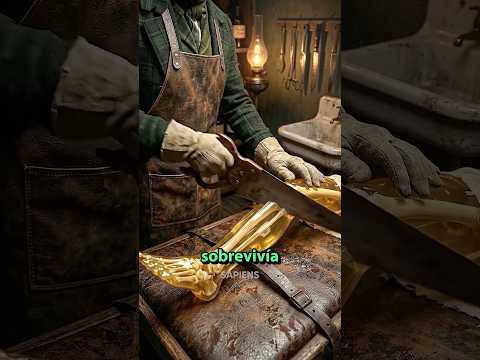
¿Cómo sobrevivía la gente SIN Anestesia? 😳 #shorts #sabiasque
Homosapiens
YouTube auto captions
This transcript was extracted from YouTube's auto-generated caption track. The transcript below is server-rendered so it can be read, searched, cited, and shared without opening the original YouTube player.
This video explores the brutal history of surgery before the advent of modern anesthesia, highlighting various methods people used to cope with pain. In ancient Rome, wine was the primary analgesic, requiring a precise, often guessed, amount to dull pain without causing death. Medieval Persia saw the use of the 'soporific sponge,' a concoction of herbs pressed onto the patient's face to induce unconsciousness, though the exact, safe dosage was unknown and often fatal.
The narrative then shifts to the 19th century in England, where speed was the surgeon's only advantage. Robert Liston, a notoriously fast surgeon, could amputate a leg in 28 seconds but his speed came with significant risks; he once accidentally amputated his assistant's fingers, and both patient and assistant often died from infections due to the unsanitary conditions and lack of proper pain management. The turning point arrived in 1846 with William Morton's pioneering use of ether, which allowed patients to undergo surgery pain-free, marking the beginning of modern anesthesia as we know it today.
Key Takeaways
- Ancient Rome used wine as the primary analgesic during surgery, requiring a precise and often dangerous dosage.
- Medieval Persia employed soporific sponges, herb-soaked cloths to induce unconsciousness, but the dosage was often lethal.
- 19th-century surgery in England relied on the speed of surgeons like Robert Liston, who could perform amputations incredibly quickly.
- Robert Liston's extreme speed led to accidental amputations of his assistant's fingers and high mortality rates from infection.
- The lack of proper anesthesia and sanitation resulted in many deaths during surgical procedures throughout history.
- The year 1846 marked a revolution in surgery with William Morton's introduction of ether, allowing for pain-free operations.
- Modern anesthesia, stemming from Morton's discovery, remains largely the same today, ensuring patient comfort during surgery.
Topics Covered
[0:00]Cero drogas y ninguna esponja, solo el cirujano más rápido del mundo, llamado Robert Liston.
[0:00]Amputaba piernas enteras en 28 segundos, era tan veloz cortando carne humana que accidentalmente amputó los dedos de su propio asistente.
[0:00]Ambos hombres murieron, el asistente y el paciente, debido a horribles infecciones.
[0:00]1846, William Morton es la primera persona en usar éter, el paciente se duerme y no siente ningún dolor.


