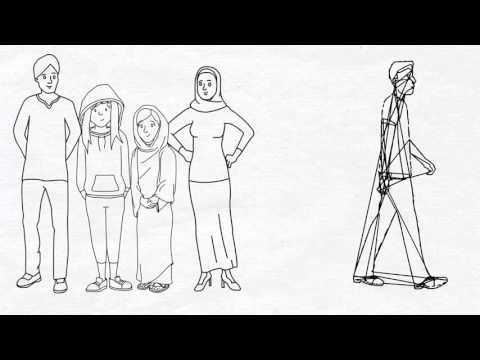
[0:05]According to the centers for disease control, one in five women have been raped at some time in their life. The CDC estimates that one in four girls and one in six boys are victims of sexual assault before the age of 18. This means it is extremely likely that sexual assault has either impacted you or someone you know. A victim may or may not choose to seek help for a variety of reasons. What we do know is that the people around them can directly impact this decision. So listen up. 68% of sexual assault victims never tell the police. 98% of sex offenders never ever spend a day in jail. So why is it that many, many years pass before they tell anyone? Reporting a sexual assault is a complicated and personal decision. Here are a few common themes survivors mentioned when they're asked, what made it difficult for you? Blame. Victims are afraid they'll be blamed for what happened. They might feel that they did something to provoke the abuse. If they feel that they will be blamed, they may hesitate to come forward. They know the abuser. 90% of the time the abuser is a family member, someone from the community or a neighbor. Victims feel bad reporting someone they know to the police. Fear. After being sexually assaulted, the fear that the abuser will cause further harm is overwhelmingly real. Not being believed. Usually, the abuser will convince them that no one will believe them. Other times, the victim will tell someone and won't be taken seriously. The abuser is a respected leader. It is not easy to stand up to an abuser. Let alone someone who's in a position of power or leadership. Abusers often use their position as a way to manipulate their victims into staying silent. The legal process is retraumatizing. During an investigation, victims are taken through the painful experience all over again. Moreover, the defense often tries to blame the victim or tear the victim down by pointing out his or her flaws. Sex and sexual abuse aren't talked about openly. The victim might think it's shameful or inappropriate to bring such issues up. Social consequences. Those who are part of close knit cultural or faith communities may fear being outcast, dividing the community or never getting married. The survivor comes from a community that values forgiveness and covering up sins. There are faith communities that encourage victims of crime to show mercy and forgive their abusers, or to protect them by not exposing their crimes. Get it now? We live in a world where sexual violence is rampant. It is more likely than not that someone in your circle has been affected by sexual violence. Until we create safer communities in which more victims feel comfortable reporting and more abusers are held accountable, we can't prevent sexual violence. So what can you do? You don't have to be a police officer, a social worker or an activist to take a stand against sexual violence. Here are five things you can do today to support victims of sexual violence. One, believe them. What you say to a victim can make a huge impact on his or her healing journey. Two, encourage professional support. Meet them where they are rather than telling them what they should be doing. Empower them to make their own decisions. Three, understand the barriers to disclosure and don't blame the victim. Four, know where to direct them to get help. Most communities have local crisis centers, social service agencies and hotlines. Know how to access local resources. You never know when you will need to use them. Five, talk to your kids. Have honest conversations about healthy relationships, boundaries and consent. You can empower someone to start their journey to healing and justice. Know where to get help. You are not alone. For more info, go to heartwomenandgirls.org.
Barriers to Disclosure
HEART Women & Girls
4m 48s653 words~4 min read
Auto-Generated
Watch on YouTube
Share
MORE TRANSCRIPTS