[0:00]As the bullet hit the tank, fuel would leak out, soaking into layers of rubber built into the tank walls. And one of those layers would begin to swell, expanding inward toward the bullet hole. As it grows, it squeezes until the hole shut, preventing the fuel from leaking out. You see the tanks used to be metal, and when they were shot, fuel sprayed into the air, turning into a mist that ignited the plane. So engineers used rubber instead, so it seals the hole and the fuel stays inside.
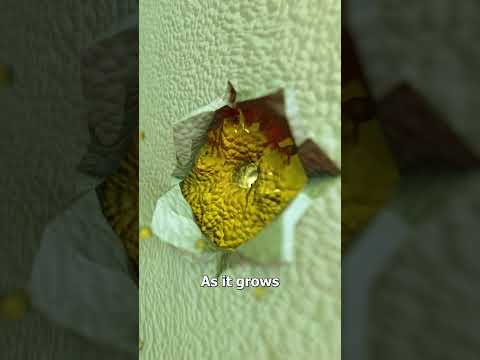
How A Fuel Tank Seals Itself After Being Shot 🤔
Zack D. Films
33s91 words~1 min read
YouTube auto captions
Transcript source
YouTube auto captions
This transcript was extracted from YouTube's auto-generated caption track. The transcript below is server-rendered so it can be read, searched, cited, and shared without opening the original YouTube player.
Pull quotes
[0:00]As the bullet hit the tank, fuel would leak out, soaking into layers of rubber built into the tank walls.
[0:00]And one of those layers would begin to swell, expanding inward toward the bullet hole.
[0:00]As it grows, it squeezes until the hole shut, preventing the fuel from leaking out.
[0:00]You see the tanks used to be metal, and when they were shot, fuel sprayed into the air, turning into a mist that ignited the plane.
Use this transcript
Related transcript hubs
Watch on YouTube
Share
MORE TRANSCRIPTS


