[0:00]My name's Luke Tohill. Over the course of the next hour or so is think about, I guess the thinking that goes on behind the environments we provide. So not just what the environment looks like, not just how it's arranged, but what's actually behind that, why do we make the decisions that we do? And I'm not sure that's always something that we consider as deeply as we might. So we're going to think about how an environment provides for children and reflects, I guess, our vision of the child, our image of who the child is and what they require and what they might want from an environment. Um and also we want to look at how the physical space that we are in influences not just children but also us as adults. And I think that's particularly important, you know, today in the sort of age of Pinterest where everyone is sort of looking online and finding, you know, all sorts of, you know, amazing images and ideas that they want to incorporate into their into their work. Um and I, you know, I'm not disparaging Pinterest at all. I think it's a wonderful tool and it it certainly lets us see lots of ideas that we might not come across otherwise. But I think unless we have a kind of framework to fit those ideas into, we can end up with a bit of a hodgepodge of different ideas. And I think we need more than uh, you know, just a kind of that looks cool on the screen kind of guide to what's actually a good idea and how we
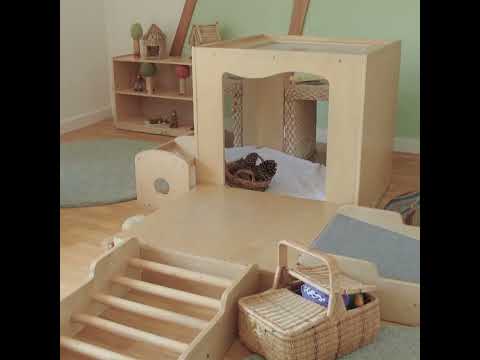
A good place to be a child: Creating effective early learning environments — Trailer
ECA Learning Hub
1m 12s275 words~2 min read
YouTube auto captions
Transcript source
YouTube auto captions
This transcript was extracted from YouTube's auto-generated caption track. The transcript below is server-rendered so it can be read, searched, cited, and shared without opening the original YouTube player.
Pull quotes
[0:00]Over the course of the next hour or so is think about, I guess the thinking that goes on behind the environments we provide.
[0:00]So not just what the environment looks like, not just how it's arranged, but what's actually behind that, why do we make the decisions that we do?
[0:00]And I'm not sure that's always something that we consider as deeply as we might.
[0:00]So we're going to think about how an environment provides for children and reflects, I guess, our vision of the child, our image of who the child is and what they require and what they might want from an environment.
Use this transcript
Related transcript hubs
Watch on YouTube
Share
MORE TRANSCRIPTS


