[0:00]Qué pasaría si Napoleón Bonaparte fuera a la antigua Roma. Día uno, se despierta en medio del Foro Romano. Mira a su alrededor, ve el imperio más poderoso del mundo conocido. Sonríe, por fin, gente que me va a entender. Un guardia romano lo detiene. ¿Quién eres, extranjero? Napoleón se coloca el sombrero. Soy el hombre que conquistó Europa. El guardia lo mira de arriba a abajo. Roma ya conquistó todo eso. Napoleón deja de sonreír. Día dos, lo llevan ante el César. Napoleón no espera a que le hablen, empieza a explicar estrategia militar. Dibuja formaciones en el suelo con el dedo. Aparece Sócrates y se ponen a discutir hasta que se hace de noche. Después están tomando notas. Napoleón no ha parado de hablar todavía. Día tres, Napoleón reorganiza las legiones romanas. Nuevas formaciones, nuevos flanqueos. Los generales protestan. Tres días después hacen una prueba de batalla. Los generales dejan de protestar. César le pregunta cuántos países ha conquistado. Napoleón empieza a contar con los dedos. Se queda sin dedos. ¿Y cuántos perdiste? Napoleón se ajusta el sombrero. Cambia de tema. Día cuatro, los galos envían emisarios. Napoleón los recibe antes que César. Les habla en su idioma. Los galos quedan desconcertados. Nunca habían visto a alguien tan pequeño dar tantas órdenes. Firman el tratado antes del almuerzo. César lo mira sin decir nada. Luego dice, ¿Cómo lo haces? Napoleón responde, nunca dejo que el tamaño hable primero.
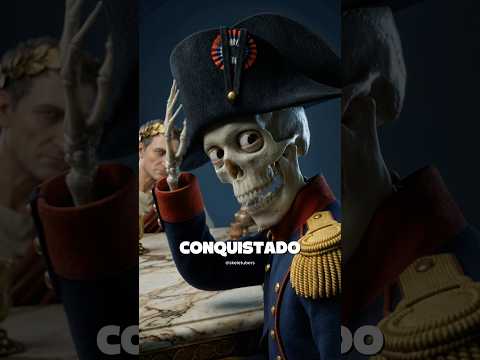
¿Qué Pasaría Si Napoleón Fuera A La Antigua Roma?
Skeletubers
YouTube auto captions
This transcript was extracted from YouTube's auto-generated caption track. The transcript below is server-rendered so it can be read, searched, cited, and shared without opening the original YouTube player.
This narrative describes a hypothetical scenario where Napoleon Bonaparte is transported to ancient Rome. Upon his arrival in the Roman Forum, he expresses confidence that the Romans, as fellow conquerors, will understand him. However, his initial claims of conquering Europe are met with a dismissive response from a Roman guard, who points out that Rome has already achieved such feats.
Over the next few days, Napoleon quickly integrates himself into Roman society, showcasing his unparalleled military genius. He impresses Caesar with his strategic insights, engaging in deep discussions about military tactics, even with figures like Socrates. He then proceeds to reorganize the Roman legions, introducing new formations and flanking maneuvers that initially face resistance from generals but prove their effectiveness in a test battle. Napoleon's diplomatic skills are also highlighted when he preemptively meets with Gallic emissaries, speaking their language and securing a treaty quickly, much to Caesar's astonishment. The story concludes with Napoleon's clever retort about not letting size dictate authority.
Key Takeaways
- Napoleon is transported to ancient Rome, expecting to be understood by the powerful empire.
- A Roman guard dismisses Napoleon's claim of conquering Europe, stating Rome has already done so.
- Napoleon immediately impresses Caesar with his military strategy, even engaging in intellectual debate with Socrates.
- He successfully reorganizes the Roman legions, demonstrating the effectiveness of his new tactics in a battle test.
- Napoleon skillfully handles Gallic emissaries, securing a treaty quickly by speaking their language and asserting his authority despite his small stature.
- Caesar is amazed by Napoleon's abilities, leading to Napoleon's insightful comment about not letting size speak first.


