[0:22]The electrical grid. The electric grid is the network through which power is generated, transmitted, and distributed to consumers. The electric grid is broadly made up of three main components: generation, transmission or distribution, and consumption. There are several key pieces of infrastructure that are built to support the delivery of electricity to consumers. It is comprised of these components: generating plants, where electricity is produced. Transmission lines, infrastructure that allows electricity to be transported over long distances. Substations, where electricity voltage is increased or decreased. Transformers, the mechanisms that actually increase or decrease the electricity voltage. Distribution lines, infrastructure similar to transmission lines but for lower voltages of electricity. The grid was created to solve the problem of geographic separation between electricity production and consumption. Electricity is often produced far from where it is used, so infrastructure needs to be built to connect the two. Prior to the invention of the modern grid, electricity producers each developed their own distribution systems for delivering electricity to customers. This system was costly and often led to underused infrastructure and wasted electricity. The modern grid was invented to allow various producers to share infrastructure for production and distribution, which led to increased reliability and lower costs. So how exactly does the grid work? After electricity is generated, the voltage is stepped up at a substation. This voltage increase allows electricity to travel long distances while minimizing the amount of electricity lost. The electricity then travels along transmission lines, either overhead or underground. Once it reaches its destination, another substation steps the voltage down to a level suitable for distribution lines that deliver electricity to consumers. The electrical grid provides electricity to various consumers with varying needs. For instance, industrial consumers are large facilities like manufacturing plants. Commercial consumers are office buildings or high-rise towers. And residential consumers are individual homes. The electrical grid is one of the most important inventions in our modern world. The centralized nature of the grid has made it an ideal structure for large-scale electricity production. However, some of the grid's infrastructure is outdated and is not capable of accommodating small-scale electricity generation technologies. The smart grid is this generation's answer to the electrical grid's shortcomings. The smart grid is simply the electrical grid enhanced by information technology. This turns the electrical grid into an intelligent network that allows for real-time information about electricity production and consumption and more efficient incorporation of small-scale electricity generation sources. As the electricity power supply mix changes, the demands on the grid for reliability, efficiency, and cost effectiveness will continue to be a complex challenge. So that's the electrical grid.
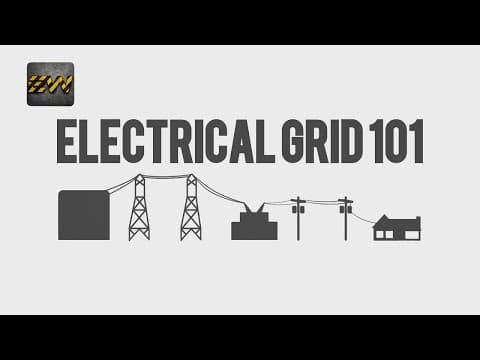
Electrical Grid 101 : All you need to know ! (With Quiz)
Engineering World
3m 26s438 words~3 min read
Auto-Generated
Watch on YouTube
Share
MORE TRANSCRIPTS