[0:11]The year is 1941. For more than two years, World War II has been raging in Europe. The U.S. has tried to stay out of it. But now Pearl Harbor, a military base in Hawaii, has been attacked by Japan. America declares that it will join the fight.
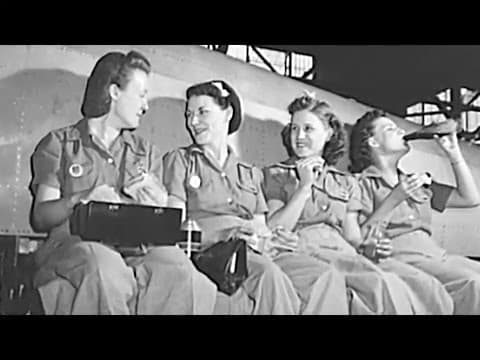
[0:42]Before the war, your dad went to work every day while your mom stayed home. Like most American women in this time, she did not work outside the home. She did the cleaning and cooking and took care of you and your brothers and sisters. With men away fighting, there aren't enough workers to make military supplies like airplanes, warships, and weapons. So the government turns to woman power. At first, many male factory owners don't want to hire women workers. They claim women aren't fit for difficult, dirty, and dangerous factory jobs. But without women, the allies will lose the war. So the government launches a campaign to change people's minds. And it works. By 1945, more than 6 million women have war jobs. Your mom is one of them. She starts working in an aircraft factory, shooting bolts called rivets into warplanes to hold them together. Other women make everything from weapons to submarines. Women are paid less than men doing the exact same jobs. Still, they are proud to be doing important wartime work. And women aren't just working in factories. They're helping to keep the country running. 13 million have jobs, fixing cars, fighting fires, doing construction and keeping the nation's farms running. New opportunities pop up for female journalists, doctors, lawyers, chemists, and engineers. And for the first time in American history, all four branches of the military create special units for women. More than 300,000 women enlist. Although they aren't trained in combat, they take important jobs operating telegraphs, translating, and flying new airplanes to military bases. You have an important job too. While your mom is at work, you look after your little brothers and sisters. And many other kids from the neighborhood too. Child care is hard to find. You do the grocery shopping, which isn't easy, since foods like meat, milk, and sugar are being rationed. The war ends in 1945, and you are thrilled that your father and brother can come home. The returning soldiers expect their old jobs back. Three quarters of women workers don't want to give them up. Many are fired when they refuse to quit. Within a year, more than 3 million women have left the workforce. But working during the war has changed American women. They have felt the thrill of independence. They have felt the pride and satisfaction of learning a trade. These feelings are not easy to forget. 20 years from now, they will help fuel the women's liberation movement, when women fight to be treated equally in society. And thanks to the women workers of World War II, they know they're up to the challenge.


