[0:00]Level one, the Shestyorka. You're 16 in Moscow. You dropped out of school, no job, no future. A man approaches you outside a metro station. You want to make money? You nod. Be here tomorrow, 6 AM. You show up, there's a van. Inside are stolen car parts: engines, transmissions. Your job is to help unload them at a chop shop. You work 14 hours. At the end, a man hands you 3,000 rubles, cash. Three days wages for most people. You did good. Come back tomorrow. You're a Shestyorka now, the six, the bottom rung. You don't know who you're working for yet. You just know the money's real. For six months, you unload trucks, you move boxes. You never ask what's inside. Sometimes it's electronics, sometimes it's bootleg vodka. Once, it's guns. One day, the van doesn't show up. Instead, a black Mercedes does. The black windows roll down. A man in his 40s looks at you. You're reliable. I need someone for a different job. You're moving up. Level two, the Boyevik. You're 19 now. The man in the Mercedes is a brigadier. He runs operations in your district. He makes you Boyevik, a soldier. Your job isn't unloading trucks anymore, it's enforcement. The debtor owns the organization 500,000 rubles. He borrowed money to open a cafe. The cafe failed. He hasn't paid in three months. The brigadier hands you an address, "Go talk to him." You and another Boyevik drive to his apartment. You knock. He opens the door. His face goes white. "I don't have it. Please, two more weeks." You don't negotiate. You grab him by the collar and drag him into the hallway. You hold him over the railing. It's a 70-story drop. You have three days, or next time, I let go. Three days later, he pays in full. Sold his car, borrowed from family. You don't care how he got it. But not everyone pays. A week later, another debtor doesn't show up. He borrowed 300 rubles six months ago. Now he's gone. Disappeared. The brigadier sends you to find him. You track him to his cousin's apartment in the suburbs. You knock. He answers. He sees your face. He tries to slam the door, but you force your way in. This time, talking doesn't work. The brigadier orders were clear. Make an example. You break his arm. You hear the bone crack. He screams. His cousin watches in horror. Frozen. Tell everyone what happens when you run. You leave him on the floor. You walk out. You don't feel guilt. You don't feel satisfaction. This is just business. This is your life now, debt collection, intimidation, occasionally, violence. But you're also learning the business. The brigadier takes you to meetings. You see how deals are made, how territories are negotiated, how police are paid off. You're not just muscle anymore, you're being trained. Level three, the brigadier. You're 26. You've been a Boyevik for seven years. You've never failed a job, you've never talked to police. The Pakhan notices. He makes you brigadier. You run your own operation now. But you're not managing streets, you're managing a smuggling route. The organization imports stolen luxury cars from Germany, BMWs, Mercedes, Audis. They come through Poland and into Belarus, then into Russia. Your job is to coordinate the drivers, bribe the border guards, and deliver the cards to buyers in Moscow. Each car is worth 2 million rubles on the black market. You move 20 cars a month. You keep 5% for each sale. That's 2 million rubles monthly, just for you. But the risks are real. The FSB monitors the border. If a shipment gets seized, you lose money. If a driver gets arrested and talks, you're exposed. You manage it carefully. You rotate drivers, you change routes. You never use the same border crossing twice in a row. One month, a driver panics at the border. He tries to run. The guards arrest him. The car is seized. 2 million rubles gone. The Pakhan calls you, "Fix this." You find the driver's family, his mother, his sister. You don't hurt them. You just visit. You sit in their kitchen. You drink tea. Your son made a mistake, you say calmly. If he cooperates with police, you'll never see him again. Make sure he understands. The driver doesn't talk. He takes a plea deal. Two years. No names given. Problem solved. Level four, the Pakhan strategist. You're 32. You've been running smuggling operations for six years. You've made the organization tens of millions. The Pakhan brings you in his inner circle. You're not just a brigadier anymore, you're a strategist, a fixer. The organization is expanding into cybercrime. Russian hackers are the best in the world. The Pakhan wants a piece of it. Your job is to recruit them. You find a hacker collective in St. Petersburg. Young guys, early 20s. They run ransomware attacks on European countries. They've made millions. You approach their leader in a cafe. You don't threaten, you offer partnership. "You keep doing what you're doing, but you pay us 30% of every job. In exchange, we protect you. If Europol comes after you, we have people in the government who can make problems disappear. If a rival tries to steal your operation, we handle it." He thinks about it, he agrees. Within a year, the cybercrime division generates 50 million rubles monthly. The Pakhan is impressed. You're no longer in the streets. You're in boardrooms. Negotiating, planning, building. But the boardrooms aren't always clean. The Pakhan is expanding into real estate. The 1990s are chaos in Russia. The Soviet Union collapsed. State-owned apartments are being privatized. Elderly residents don't understand the new system. They are vulnerable. Your job is to convince them to sell. You target a building, 20 apartments, mostly pensioners who've lived there since Soviet times. They don't want to sell. So you start small. Cut the heat in winter, pay someone to vandalize the lobby. Make life unbearable. One by one, they sell for 50,000 rubles, 100,000 rubles, a fraction of what the apartments are worth. The organization buys them all. Six months later, they renovate. They sell each unit for 2 million rubles. Profit, 35 million rubles. Your cut, 2 million. You're not just a criminal anymore. You're a businessman, a predator in a suit. Level five, the Vor V Zakone. You're 38. You spent 20 years in the life. You've been arrested twice, served a total of six years in prison. You never cooperated, you never broke. The Vory vote, you're crowned. The ceremony happens in a prison outside Moscow. 15 other Vor V Zakone are present. They confirm your status. You're one of them now. Your body is covered in tattoos, stars on your shoulders, cathedrals on your chest. Each one tells a story. Each one was earned. You don't run operations anymore, you're above that. You mediate disputes, you set policy. You represent the Bratva internationally. A Pakhan in Yekaterinburg is at war with Pakhan in Chelyabinsk. They're both Bratva. This is bad for business. They call you to mediate. You fly to Yekaterinburg. You sit with both men. You listen to their grievances: territory, money, respect. You make a decision. You draw a new line on the map. You divide the territory fairly, you set new rules. This is over. If either of you violates this agreement, you answer to all the Vory, not just me, all of us. They agree, the war ends. But mediation isn't your only responsibility. You're also a judge within the Bratva itself. A brigadier in Kazan is accused of stealing. He skimmed 2 million rubles from a shipment and thought no one would notice, but the Pakhan found out. The Pakhan brings the case to you. He wants permission to kill the brigadier. But you need to verify the accusation first. You call the brigadier to Moscow. He comes willingly. He knows refusing means guilt. You sit with him for three hours. You ask questions, you review the evidence: bank transfers, witness statements. The numbers don't lie. He stole. You broke the code. You stole from your own family. He begs for mercy. He offers to pay it double. He swears it will never happen again. But theft from the organization has only one punishment. You have 24 hours to say goodbye to your family. He's found dead two days later. A single bullet. Clean. Professional. This is the weight of being a Vor. You don't just give orders, you decide who lives and who dies, and you live with those decisions every single day. This is your power now, not violence, not money, authority, respect, finality. But you're also bound by the code. You can't own property legally. You can't have a bank account in your name. You live in the shadows, and you're always a target. Level six, the international operator. You're 45. You're too high profile to stay in Russia safely. The FSB is cracking down. Putin wants control. You relocate to Cyprus, a small island nation, a banking hub, a haven for Russian money. You're not retired, you're expanding. You coordinate operations across Europe: money laundering, arms trafficking, cybercrime. You meet with Italian 'Ndrangheta bosses in Milan. You negotiate cocaine routes through the Balkans. You sit with the Albanian gang leaders in Tirana. You coordinate heroin shipments from Afghanistan through Central Asia, into Europe. You're a global operator now. Your wealth is in the hundreds of millions. Offshore accounts, shell companies, real estate across three countries. But you can never go home. Your daughter is getting married in Moscow. You can't attend. If you enter Russia, you'll be arrested. You watch the wedding on a video call. Alone, in a villa in Limassol. You have everything and nothing. Level seven, the hunted. You're 50. The EU is cracking down on Russia organized crime. Sanctions, asset freezes, extradition requests. Interpol issues a Red Notice for your arrest. The charges: money laundering, racketeering, conspiracy to commit murder. You move to Dubai. No extradition treaty with Russia or the EU. You're safe here, for now. But the isolation is suffocating. You can't travel, you can't visit family. You live in a penthouse with armed security. Other Vory in exile have been killed. Poisoned, shot, car bombs. The FSB doesn't forget. You know it's only a matter of time. Level eight, the end. It happens on a Thursday. You're having lunch at a beachfront restaurant in Dubai. Your bodyguards are outside. You're eating alone. A waiter brings you tea. You take a sip. 20 minutes later, you feel sick. Your vision blurs. Your hands go numb. Poison. You collapse. Your bodyguards rush you to a hospital, but it's too late. The toxin is already in your bloodstream. You die three hours later. The official cause of death: heart failure. But everyone knows the FSB got you. Or maybe it was a rival. Maybe it was someone in your own organization who wanted your position. It doesn't matter. You're gone. This is the Bratva. You don't retire. You don't escape. You just survive as long as you can. And when your time comes, no one mourns. They just move on, because the machine never stops.
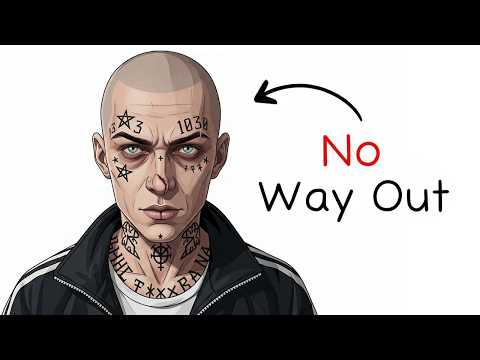
What It's Like To Be Every Russian Bratva Rank
The Life Outline
11m 4s1,882 words~10 min read
YouTube auto captions
Transcript source
YouTube auto captions
This transcript was extracted from YouTube's auto-generated caption track. The transcript below is server-rendered so it can be read, searched, cited, and shared without opening the original YouTube player.
Pull quotes
[0:00]The brigadier hands you an address, "Go talk to him." You and another Boyevik drive to his apartment.
[0:00]You see how deals are made, how territories are negotiated, how police are paid off.
[0:00]The organization imports stolen luxury cars from Germany, BMWs, Mercedes, Audis.
[0:00]Your job is to coordinate the drivers, bribe the border guards, and deliver the cards to buyers in Moscow.
Use this transcript
Related transcript hubs
Watch on YouTube
Share
MORE TRANSCRIPTS


