[0:00]In traditional Chinese culture, the concept of family and filial piety holds great importance. A Chinese family typically refers to a multigenerational household structure that includes several generations living together under one roof or in close proximity. It encompasses not only parents and children, but also grandparents, aunts, uncles, and other extended family members. The Chinese family system emphasizes strong bonds and mutual support among family members. Filial piety, known as "xiao" (孝) in Chinese, is a fundamental moral value and a core virtue in Confucian philosophy. It refers to the deep respect, obedience, and care that children are expected to show towards their parents and elders. This concept is deeply ingrained in Chinese culture and has been a guiding principle for family relationships for thousands of years. In the context of filial piety, children are expected to uphold several responsibilities towards their parents and ancestors, including Respect and obedience: Children are expected to show respect and obedience to their parents' authority and wisdom. This includes following their advice and making decisions that bring honor and happiness to the family. Support and care: Children are obligated to provide physical, emotional, and financial support to their parents in their old age and during times of need. Preserving family heritage: Children are expected to carry on the family's traditions, values, and cultural practices, as well as maintaining ancestral graves and performing rituals to honor their ancestors. Gratitude and remembrance: Children are encouraged to be grateful for the sacrifices their parents have made for them and to remember their parents' teachings and virtues. Filial piety extends beyond just parental relationships and also involves showing respect to elders, teachers, and other authority figures. The concept emphasizes the importance of maintaining harmony and order within the family and society as a whole. It's important to note that while filial piety remains a significant cultural value, modernization, urbanization, and changing social structures have led to some revolution in the family dynamics in contemporary Chinese society. Nevertheless, the idea of filial piety still holds cultural significance and continues to influence family relationships in China and among Chinese communities worldwide. Thanks for watching www.masterchee.com www.mybestfengshui.com
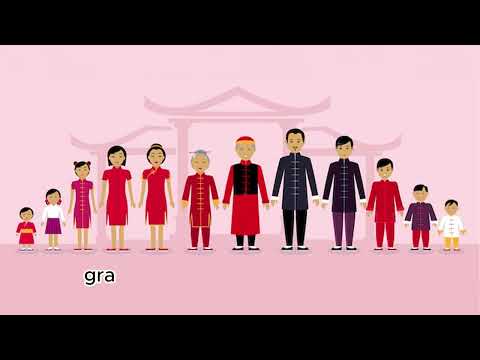
Chinese Family and Filial Piety
saih liow
2m 41s357 words~2 min read
Auto-Generated
Watch on YouTube
Share
MORE TRANSCRIPTS