[0:00]Podría un ingeniero moderno sobrevivir en la Edad de Piedra? Día 1. Despiertas en la Edad de Piedra, rodeado de gente comiendo carne cruda, refugiándose en cuevas húmedas. No buscas comida, buscas barro. Te acercas al río y empiezas a mezclar tierra con agua. La tribu te observa confundida. Pasas todo el día moldeando bloques inútiles. Al atardecer, ya tienes decenas, pero nadie entiende qué estás haciendo. Día 3. Construyes una estructura con esos bloques. Los colocas uno encima de otro y los secas al fuego. De alguna manera funciona. Los primeros ladrillos duros aparecen y levantas un refugio que no se derrumba. Esa noche ocurre algo nuevo: duermen sin miedo a la lluvia. Ahora todos quieren una. Día 5. No te detienes. Cortas madera y creas ruedas. Las colocas bajo una plataforma, empujas y se mueve. La tribu se queda en silencio. Acabas de crear el primer carro. Ahora pueden transportar comida, piedras, todo. El trabajo de días se hace en horas. Pero entonces alguien se acerca, un hombre que no habías visto antes. Mira las construcciones y las ruedas y te pregunta si todo esto depende de ti, ¿qué pasará cuando no estés? Eso no es un cavernícola, es Sócrates y no viene a aprender. Día 7. El lugar ya no parece el mismo. Hay refugios sólidos, caminos marcados en la tierra y carros moviéndose sin parar. La tribu ya no sobrevive, progresa. Y tú no fuiste un extraño, fuiste el que revolucionó la Edad de Piedra.
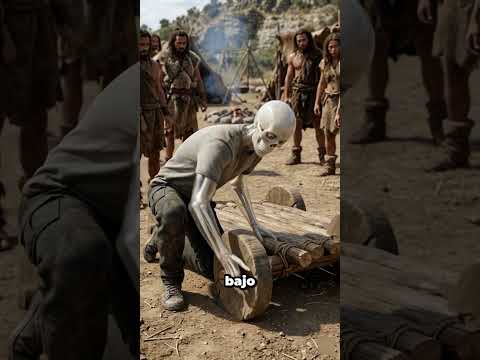
¿Sobreviviría un Ingeniero moderno a la Eda de Piedra? 😮🧱 #short #curiosidades #shortvideo
CriticalZone3D
YouTube auto captions
This transcript was extracted from YouTube's auto-generated caption track. The transcript below is server-rendered so it can be read, searched, cited, and shared without opening the original YouTube player.
This narrative explores a thought experiment: could a modern engineer survive and thrive in the Stone Age? On Day 1, the engineer, instead of foraging, immediately begins mixing mud and water to create blocks, much to the confusion of the local tribe. By Day 3, these blocks are fired and used to construct a sturdy shelter, providing protection from the rain—a novel comfort for the tribe, who then all desire similar structures.
The engineer continues to innovate. By Day 5, they craft wheels and attach them to a platform, creating the first cart. This invention dramatically improves the tribe's efficiency in transporting goods, turning days of labor into hours. However, this rapid progress attracts the attention of a figure resembling Socrates, who questions the sustainability of these innovations if they are solely dependent on the engineer. By Day 7, the environment is transformed with solid shelters, marked paths, and efficient transport, indicating that the tribe is no longer just surviving but progressing, all thanks to the engineer's ingenuity.
Key Takeaways
- A modern engineer, upon waking in the Stone Age, prioritizes creating building materials over immediate survival needs.
- The engineer invents and produces the first durable bricks and constructs a stable shelter, providing immediate comfort and safety from the elements.
- The tribe quickly recognizes the value of the new shelter, leading to demand for more such structures.
- The engineer further innovates by creating the wheel and the first cart, significantly improving efficiency in transportation.
- The introduction of the cart reduces labor time for essential tasks from days to hours, accelerating the tribe's progress.
- A Socratic figure appears, questioning the long-term sustainability and dependence on the engineer's individual innovations.
- Within seven days, the engineer's actions transform the Stone Age environment, shifting the tribe from mere survival to active progression and development.
Topics Covered
[0:00]Despiertas en la Edad de Piedra, rodeado de gente comiendo carne cruda, refugiándose en cuevas húmedas.
[0:00]Mira las construcciones y las ruedas y te pregunta si todo esto depende de ti, ¿qué pasará cuando no estés?
[0:00]Hay refugios sólidos, caminos marcados en la tierra y carros moviéndose sin parar.


