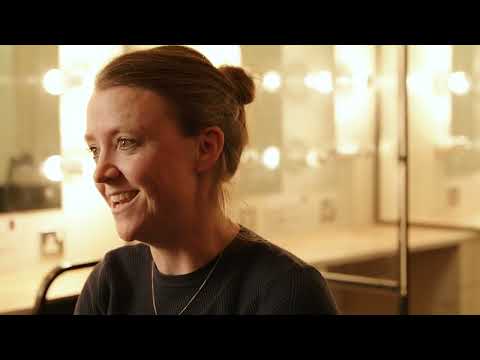
[0:00]My name's Amy. I'm the director of Lord of the Flies and I'm deputy artistic director here at Leeds Playhouse.
[0:09]The reason we've chosen Lord of the Flies, it's obviously a classic book that is studied in many schools still and is loved by generations of audiences. But it's got so much still to say to the world that we live in right now. This story what you get is this group of children, they're being evacuated from a war zone. The world is in chaos and then they're left to fend for themselves on this island and what I'm really interested in is what is the world that they've come from? How is that world impacted on them, on the way that they then set up the hierarchy of of how they run the island? How they enact the things that they've kind of learned back in the real world. So lots of people think of Lord of the Flies and they imagine that the story is set back in the Second World War. It was written just post-Second World War. What I realize is the war that's raging in the background of this story is a nuclear war. It's a war of the future. And so it felt really important actually to embrace that to kind of to set it now. And I think it's really important when we restage classic stories that we find new and interesting ways to stage them that makes sense for our audiences here in 2023. You know, in all these brilliant cities that we're going to perform this story in, obviously a novel can live inside people's heads. We can invent and dream about what that space is that is being created and suggested to us. Plays are a really different thing. They're a living, breathing, 3D thing with real humans and a real audience connecting. And that's also then meant that we've made changes in how we've cast it. We've really thought about kind of the diversity of the casting. What we want is that particularly all those young people coming in these brilliantly diverse cities to come to see this play and see themselves represented in that that world and in that company. We're also going to be recording our youth theater who are going to actually be creating some audio description that will come to our blind and vision impaired audiences through headsets. It'll be available every single performance. And that's really exciting because in the play there's this sense of all the little children who are they're called the littluns in the story, but they're hidden in the bushes, but we never meet them. And the really exciting thing with our audio description is we're actually going to meet those children through our ears. So we'll get their perspective, these really young voices and kind of witnessing what's happening in the story from the from the undergrowth. We try to think about how we can make work really creatively accessible. It's not seen as an add-on but it's something that's really part of the creative process. The thing that I'm most looking forward to seeing is we have got the most brilliant, the most dynamic cast of actors. The way they work together, their physicality, their absolute commitment to these characters and the world that we're creating. I can't wait to see them owning these big, big stages. Actors who some of them they've only just graduated, you know, owning those spaces, telling this story, reclaiming it for themselves for now. That's what I'm really excited about.


