[0:00]Qué pasaría si llevaras el fútbol a la antigua Grecia? Día 1. Llegas a Atenas con una pelota de fútbol y haces dos arcos con piedras en medio del campo de entrenamiento. Los atletas te observan mientras pateas el balón y vuela por el aire. En Grecia nunca han visto un deporte similar. Quince jóvenes se acercan y quieren intentarlo. Día 2. Organizas el primer partido cerca del gimnasio. Dos equipos corren detrás del balón. Al principio nadie entiende las reglas, luego alguien convierte un gol y todos gritan como si hubieran ganado una guerra. Día 3. La noticia se extiende por la ciudad. Cada vez más atletas quieren jugar. Empiezan a entrenar pases, carreras y tiros largos. Llaman al juego la batalla de la pelota. Semana 1. Sócrates observa el partido durante varios minutos y pregunta qué sentido tiene que hombres adultos persigan una esfera durante horas. Nadie responde. Mes 1. Los partidos llenan campos enteros. Multitudes rodean las líneas mientras los jugadores compiten bajo el sol. Incluso algunos filósofos empiezan a apostar por su equipo favorito. Año 1. Toda Grecia habla del nuevo juego. No trajiste solo una pelota. Trajiste una nueva forma de competir.
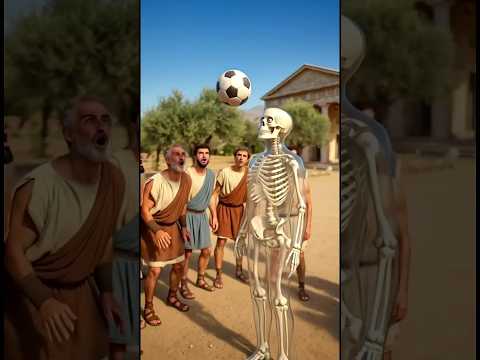
Qué pasaría si llevaras el FÚTBOL a la Antigua Grecia? #shorts #curiosidades #viralshorts
DataHumana
YouTube auto captions
This transcript was extracted from YouTube's auto-generated caption track. The transcript below is server-rendered so it can be read, searched, cited, and shared without opening the original YouTube player.
This video humorously imagines the introduction of modern soccer into ancient Greece. Upon arriving in Athens with a soccer ball, the narrator sets up goals and demonstrates the game, immediately capturing the curiosity of local athletes who have never seen such a sport. Within a day, a game is organized, and despite initial confusion, the excitement of scoring a goal quickly enthralls the participants, leading to widespread enthusiasm.
As the days turn into weeks and months, the "battle of the ball" gains immense popularity throughout the city and eventually all of Greece. Initially met with skepticism by figures like Socrates, who questions its purpose, the game quickly evolves from a simple novelty into a significant cultural phenomenon. Even philosophers, who once pondered deeper questions, begin to engage with the sport by betting on their favorite teams, demonstrating how deeply ingrained the new form of competition becomes in ancient Greek society.
Key Takeaways
- A soccer ball and its game are introduced to ancient Athens, a concept entirely new to the Greeks.
- Initially, 15 young athletes show interest and quickly learn the game's basic mechanics.
- The first organized match generates immense excitement and a sense of victory among participants.
- The sport rapidly spreads throughout the city, attracting more athletes who begin to train in specific skills.
- Socrates expresses philosophical skepticism about the game's purpose, highlighting the cultural clash.
- Within a month, the game becomes a widespread phenomenon, drawing large crowds and even involving philosophers in betting.
- After a year, the new sport is a central topic of discussion across all of Greece, representing a new form of competition.
Topics Covered
[0:00]Llegas a Atenas con una pelota de fútbol y haces dos arcos con piedras en medio del campo de entrenamiento.
[0:00]Al principio nadie entiende las reglas, luego alguien convierte un gol y todos gritan como si hubieran ganado una guerra.
[0:00]Sócrates observa el partido durante varios minutos y pregunta qué sentido tiene que hombres adultos persigan una esfera durante horas.


