[0:00]¿Te harías rico vendiendo Takis Fuego en la Antigua Grecia? Día 1. Llegas a Atenas con una bolsa de Takis Fuego, nadie sabe qué son. Le das uno a un desconocido, lo muerde, sus ojos se abren, se agarra la garganta. La gente cree que acabas de envenenarlo. Día 2. La noticia corre por el mercado, un extranjero vende fuego en una bolsa. La gente viene a mirar, no a comer. Día 3. Un atleta acepta el reto, muerde uno, empieza a llorar, se pone rojo, pero pide otro. La plaza entera se queda en silencio. Semana 1. Los sacerdotes prueban un Takis, tosen, se ponen rojos y declaran que ese polvo rojo es el fuego robado de Ares. Prohíben las bolsas en todo Atenas, pero esa misma noche tocan tu puerta con capuchas, pagando el triple. Mes 1. El mercado negro explota. Medio Atenas tiene los dedos rojos. Sócrates aparece, prueba uno, se queda pensando y dice, ¿Es realmente dolor si volvemos a él voluntariamente? Mes 6. Ya no vendes bolsas en callejones, ahora controlas el comercio de todo el Mediterráneo. Has construido un imperio inmenso y multimillonario basado en el Takis Fuego.
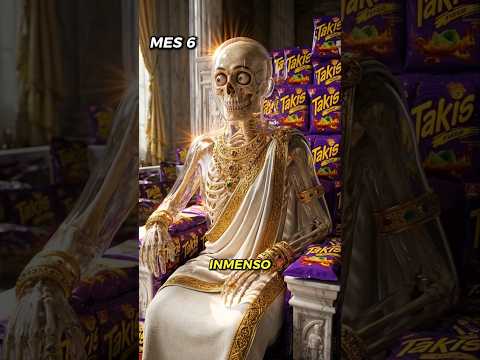
¿Y si llevas TAKIS FUEGO a la Antigua Grecia?
Lógica Pura
YouTube auto captions
This transcript was extracted from YouTube's auto-generated caption track. The transcript below is server-rendered so it can be read, searched, cited, and shared without opening the original YouTube player.
This hypothetical scenario explores the journey of introducing Takis Fuego to ancient Greece, starting with initial suspicion and misunderstanding. On Day 1, giving a Taki to a stranger leads to the belief that it's poison. By Day 2, the novelty attracts attention, though not consumption. The turning point comes on Day 3 when an athlete bravely tries one, experiencing intense heat but surprisingly asking for more, captivating the public.
The narrative quickly escalates. Within a week, religious authorities declare Takis to be "fire stolen from Ares" and ban them, inadvertently sparking a black market where demand, and prices, triple. A month in, the black market is booming, and even Socrates ponders the nature of pain and pleasure after trying a Taki. Six months later, the protagonist has become a Mediterranean magnate, having built a multi-million-dollar empire solely on the trade of Takis Fuego.
Key Takeaways
- Introducing an unknown, spicy food like Takis Fuego to ancient Greece would initially be met with extreme suspicion and fear, perceived as poison.
- Early public trials, especially by respected figures like athletes, can shift public perception from fear to intrigue and even demand.
- Prohibition by authorities can inadvertently create a highly profitable black market for desirable goods.
- The unique sensory experience of Takis Fuego (intense spiciness) could be interpreted through existing cultural and religious frameworks (e.g., "fire stolen from Ares").
- Even philosophers like Socrates might engage with the novel sensation, prompting philosophical reflection on pain and voluntary experiences.
- A niche, highly desired product can quickly lead to immense wealth and control over trade routes in a new market.
- Cultural novelty and intense sensory experiences can drive rapid market adoption and economic transformation.
Topics Covered
[0:00]Le das uno a un desconocido, lo muerde, sus ojos se abren, se agarra la garganta.
[0:00]Un atleta acepta el reto, muerde uno, empieza a llorar, se pone rojo, pero pide otro.
[0:00]Los sacerdotes prueban un Takis, tosen, se ponen rojos y declaran que ese polvo rojo es el fuego robado de Ares.
[0:00]Prohíben las bolsas en todo Atenas, pero esa misma noche tocan tu puerta con capuchas, pagando el triple.


