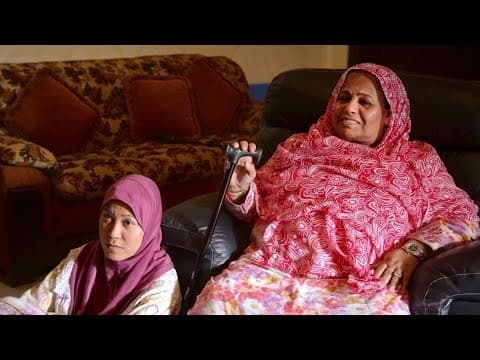
[0:00]Top 25 Personal Support Worker Interview Questions and Answers. In this video, we will explore the top 25 interview questions commonly asked to personal support workers. Each question is designed to assess your skills, experience, and suitability for this vital role in healthcare. We will also provide insightful answers and tips to help you prepare effectively. Whether you're new to the field or looking to refresh your interview techniques, this guide aims to enhance your confidence and performance. One, why did you choose to become a personal support worker? Becoming a personal support worker, PSW, was driven by my passion for helping others and making a meaningful difference in their lives. I have always found fulfillment in providing care and support to those in need, especially the elderly and individuals with disabilities. As a PSW, I appreciate the opportunity to build personal connections with clients, offering not just physical assistance but also emotional support. This role allows me to advocate for their needs and promote their dignity, ensuring they feel valued and respected in their daily lives. Two, how do you ensure patient safety and comfort during daily care routines? Ensuring patient safety and comfort involves a comprehensive approach. First, I conduct thorough assessments to understand each client's unique needs and preferences. I always communicate clearly, explaining procedures to build trust. I prioritize a clean and hazard-free environment by regularly checking for potential safety risks. I also employ gentle techniques during care routines to minimize discomfort. Active listening is crucial; I encourage clients to voice any concerns. Additionally, I maintain proper body mechanics to prevent injuries for both myself and the client, ensuring their dignity is upheld at all times. Three, describe a time when you had to deal with an aggressive or uncooperative client? Dealing with an aggressive client can be challenging but requires patience and empathy. In one instance, I was assigned to a client who was upset due to a change in their routine. They expressed their frustration by yelling and refusing to participate in their care. I calmly approached them, maintaining a respectful distance, and acknowledged their feelings. I listened actively, which helped them feel heard. By offering choices in their care routine, I was able to regain their trust and cooperation. This experience taught me the importance of communication and adaptability in handling difficult situations. Four, how do you maintain patient confidentiality in your work? Maintaining patient confidentiality is paramount in my role as a Personal Support Worker. I adhere strictly to privacy policies and regulations, such as HIPAA, to protect sensitive information. I ensure that any discussions about clients occur in private settings, away from others. Additionally, I only share information with authorized personnel who need it for care purposes. I also keep written records secure and limit access to them. Regular training on confidentiality practices helps reinforce the importance of safeguarding client information, ensuring trust and respect in the care relationship. Five, what strategies do you use to build rapport with new clients? Building rapport with new clients involves several key strategies. First, I prioritize active listening to understand their needs and preferences. Establishing trust is crucial, so I introduce myself warmly and share my background to create a sense of connection. I also use open body language and maintain eye contact to show that I am engaged. Finding common interests helps create a bond, and I encourage clients to express their thoughts and feelings. By being patient, respectful, and attentive, I create a supportive environment that fosters a strong relationship with each client. Six, how would you handle a situation where a client refuses to take their medication? When a client refuses to take their medication, I would first approach the situation calmly and respectfully. I would ask the client about their reasons for refusing, listening to their concerns without judgment. Understanding their perspective is crucial. I would provide education about the importance of the medication and potential consequences of not taking it, ensuring they have all the necessary information to make an informed choice. If they still refuse, I would document the refusal and notify the appropriate healthcare professionals, ensuring the client's wishes are respected while prioritizing their health and safety. Seven, describe your experience with conducting functional behavior assessments. Conducting functional behavior assessments (FBAs) involves a systematic approach to understanding the reasons behind specific behaviors exhibited by clients. In my previous role, I collaborated with multidisciplinary teams to assess clients' needs and behavior patterns. This included gathering data through observations, interviews, and questionnaires. I analyzed triggers and consequences to develop tailored intervention strategies. By engaging clients and their families, I ensured that the assessment process was comprehensive and respectful. Implementing the strategies derived from FBAs led to improved client outcomes and enhanced well-being. Eight, how do you prioritize tasks when caring for multiple clients? When caring for multiple clients, I prioritize tasks based on urgency and individual needs. I start by assessing each client's immediate requirements, such as medication schedules, personal hygiene, or any urgent health concerns. I create a flexible schedule that allows me to allocate sufficient time for each client while remaining adaptable to unforeseen circumstances. Communication is key; I regularly check in with clients to understand their preferences and adjust my priorities accordingly. Utilizing tools like checklists helps ensure that no task is overlooked and allows me to provide high-quality care efficiently. Nine, what steps would you take if you noticed signs of abuse or neglect in a client? If I noticed signs of abuse or neglect in a client, I would first ensure the immediate safety of the client by removing them from any harmful situation. I would document my observations carefully, noting specific signs and behaviors. Next, I would report my concerns to my supervisor or the appropriate authorities as required by organizational protocols. It is crucial to follow the proper channels to ensure that the situation is handled professionally and sensitively. I would also provide the client with emotional support, reassuring them that they are not alone and that help is available. Ten, how do you stay updated on best practices in personal support work? In order to stay updated on best practices in personal support work, I regularly participate in training sessions and workshops that focus on the latest developments in healthcare. I subscribe to relevant journals and online resources to keep informed about new techniques and research findings. Networking with other professionals in the field also provides valuable insights. Additionally, I engage in discussions with colleagues and attend conferences to share knowledge and learn from the experiences of others, ensuring that my skills and knowledge remain current and effective in providing quality care. Eleven, describe a challenging situation you've faced with a client and how you resolved it? In one instance, I worked with a client who was experiencing severe anxiety during personal care routines. They would become agitated and resistant, making it difficult to provide assistance. To address this, I first took time to understand their triggers and preferences. I implemented a calming routine that included deep breathing exercises and allowed them to choose the order of tasks. By establishing trust and creating a more comfortable environment, the client gradually became more receptive to care. This approach not only improved their compliance but also strengthened our relationship. Twelve, how do you maintain proper hygiene and infection control standards? Maintaining proper hygiene and infection control standards is crucial in personal support work. I ensure that I wash my hands thoroughly before and after interacting with clients, using soap and water or hand sanitizer as needed. I regularly clean and disinfect surfaces and equipment to prevent contamination. Additionally, I always wear appropriate personal protective equipment (PPE), such as gloves and masks, when necessary. Educating clients about hygiene practices, such as handwashing and safe food handling, is also part of my approach to promote a safe environment for everyone involved in care. Thirteen, what would you do if a client had a fall? If a client had a fall, my first priority would be to ensure their safety. I would assess the situation to determine if they are injured and if they need immediate medical attention. I would remain calm and speak reassuringly to the client, asking them not to move until I assess their condition. After ensuring that they are stable, I would call for help, whether that means contacting a supervisor or emergency services. Once the situation is under control, I would document the incident thoroughly, including details about the fall, the client's condition, and any actions taken. It's essential to follow up with the client and their care team to discuss preventive measures and adjustments to their care plan. Fourteen, how do you approach developing behavior support plans for clients with complex needs? Developing behavior support plans for clients with complex needs requires a comprehensive understanding of the individual's history, triggers, and preferences. I start by conducting thorough assessments, engaging with the client, their families, and other professionals involved in their care. Collaboration is key, as it ensures that multiple perspectives are considered. I focus on positive reinforcement strategies and tailor interventions that promote desirable behaviors while addressing challenging ones. Continuous monitoring and adjustments are essential, allowing for responsive changes based on the client's progress and feedback. Fifteen, describe your experience with assisting clients with mobility issues? In my role as a Personal Support Worker, I have assisted numerous clients with mobility issues, ensuring their safety and comfort. I have worked with individuals recovering from surgeries, those living with chronic conditions, and elderly clients facing age-related mobility challenges. My approach includes using mobility aids such as walkers and canes, providing physical support during transfers, and encouraging exercises that enhance strength and balance. I focus on creating a supportive environment that fosters independence while being attentive to their needs and limitations. My goal is always to empower clients to engage in daily activities as much as possible. Sixteen, how do you handle communication with non-verbal clients? Communicating with non-verbal clients requires patience and creativity. I utilize various methods such as body language, facial expressions, and gestures to understand their needs. Visual aids like picture boards or communication devices can also facilitate interaction. I pay close attention to their responses and cues, adjusting my approach based on their comfort level. Establishing a trusting relationship is key; this often encourages clients to express themselves in alternative ways. Regularly checking in and providing reassurance helps create a supportive environment where they feel valued and understood. Seventeen, what strategies do you use to encourage client independence? Encouraging client independence involves understanding their individual needs and preferences. I start by assessing their abilities and setting realistic goals that promote self-sufficiency. I provide clients with choices in their daily routines, allowing them to make decisions about their care. I also employ positive reinforcement, celebrating small achievements to boost their confidence. Additionally, I teach clients skills they need for daily living, such as personal hygiene or meal preparation, ensuring I am always patient and supportive throughout the process. This approach empowers clients, enhancing their quality of life. Eighteen, how would you respond to a medical emergency, such as a client having a heart attack? In the event of a medical emergency like a heart attack, I would first ensure the client's safety by calling for immediate medical assistance while staying calm. Assessing the client's condition would be my next step, monitoring responsiveness and vital signs. If the client is unresponsive and not breathing, I would initiate CPR and use an AED if available. Throughout the situation, I would reassure the client and provide clear updates to emergency personnel when they arrive. Maintaining a safe environment and following proper protocols is critical in such urgent situations. Nineteen, describe your approach to documenting client care and progress. Documenting client care and progress involves maintaining accurate, timely, and comprehensive records. I ensure that all documentation is clear, concise, and objective, capturing essential details about the client's condition, care provided, and any changes observed. I utilize standardized forms and checklists to streamline this process, making it easier to track progress over time. Regularly updating care plans in collaboration with the healthcare team is vital, as it fosters continuity of care. I also emphasize the importance of confidentiality while adhering to relevant regulations, ensuring that sensitive information is securely stored and accessible only to authorized personnel. Twenty, how do you manage stress and maintain your own well-being in this demanding role? Managing stress in this demanding role involves a combination of self-care practices and professional support. I prioritize regular physical activity, such as walking or yoga, which helps clear my mind and reduce tension. Engaging in hobbies outside of work allows me to unwind and recharge. Additionally, I maintain a strong support network of colleagues, where we can share experiences and coping strategies. Practicing mindfulness techniques, such as deep breathing or meditation, also aids in maintaining focus and emotional balance during challenging situations. Recognizing the importance of taking breaks ensures I remain effective in providing compassionate care. Twenty-one, what would you do if you disagreed with a colleague's approach to client care? When I disagree with a colleague's approach to client care, I would first seek to understand their perspective. Open communication is essential, so I would initiate a respectful discussion, highlighting specific concerns while remaining receptive to their insights. If necessary, I would refer to established protocols and guidelines to ensure our decisions align with best practices. Collaboratively, we can explore alternative solutions that prioritize the client's needs. If we still cannot reach an agreement, I would involve a supervisor to mediate and ensure the client receives the best possible care. Twenty-two, how do you adapt your care approach for clients with different cultural backgrounds? Cultural competence is essential in providing effective care. I take time to learn about each client's cultural beliefs, values, and practices that may influence their preferences. This includes understanding dietary restrictions, communication styles, and family dynamics. I actively listen to clients and their families, encouraging open dialogue about their expectations and needs. Collaborating with culturally diverse teams and attending training workshops helps me stay informed. By respecting and integrating their cultural backgrounds into care plans, I enhance trust, comfort, and satisfaction in the care experience. Twenty-three, describe your experience with end-of-life care, if any. End-of-life care involves providing compassionate support to clients and their families during a profoundly emotional time. I have had the opportunity to work with clients in hospice settings, focusing on pain management, comfort, and emotional support. I believe in creating a peaceful environment, allowing clients to express their feelings and ensuring their wishes are respected. Collaborating with healthcare teams and family members is essential, as is providing guidance on advanced directives. Supporting families through grief and ensuring they have access to resources is also a vital part of my role in this sensitive area of care. Twenty-four, how do you handle situations where a client's wishes conflict with their care plan? In situations where a client's wishes conflict with their care plan, I prioritize open communication. I would engage the client in a respectful discussion, actively listening to their concerns and preferences. It's essential to explain the rationale behind the care plan while acknowledging their feelings. Collaborating with the healthcare team is crucial to re-evaluate the plan, ensuring it aligns with the client's values and goals. If possible, I seek compromises that honor the client's wishes without compromising their safety or well-being. Documentation of these discussions is vital for transparency and continuity of care. Twenty-five, what do you consider to be the most important qualities of an effective personal support worker? An effective Personal Support Worker must possess compassion, patience, and strong communication skills. Compassion allows them to connect with clients on a personal level, ensuring that clients feel understood and cared for. Patience is crucial, as it helps in managing challenging behaviors or situations without frustration. Strong communication skills are essential for conveying information clearly and building trust with clients and their families. Additionally, adaptability helps in meeting diverse needs, while attention to detail ensures that care is always safe and respectful. These qualities create a supportive environment for clients. As you prepare for your Personal Support Worker interview, remember that understanding the common questions and formulating thoughtful answers can significantly boost your confidence. The insights shared in this video will help you articulate your skills and experiences effectively. Equip yourself with the knowledge to stand out and demonstrate your dedication to providing exceptional care. If you found this content helpful, please give it a thumbs up and subscribe to our channel for more valuable resources. Good luck with your interview journey!

Personal Support Worker Interview Questions and Answers for 2026
InterviewGuide
15m 8s2,779 words~14 min read
Auto-Generated
Watch on YouTube
Share
MORE TRANSCRIPTS