[0:00]This is how most traders would approach this setup. So they have an area of support and resistance and they identify this as a valid fib retracement. They then enter on top of the bearish confirmation candle with their stop loss above the high. However, what you see happening is that your stop loss will get hit and this is exactly where you want to be entering. So instead of using support and resistance, use supply and demand. Supply and demand is simply formed by a buy up before a strong sell down breaking market structure. Next to that, identify a liquidity high and a liquidity high is nothing more than a swing high which forms right below your area of supply. You always want to enter on top of liquidity, stop loss above the supply zone, target a one to three risk to reward and what you will see is that the real move into towards the downside will then occur. Okay, so he's pretty much explaining here that instead of support and resistance, you use supply and demand. Very common idea, but what I really liked was the fact that he put in Fibonacci retracements, which I think could make a cool indicator. So what I'm actually going to do to replicate this setup is take a screenshot of the ideal setup that he has here. And then I'm going to go over to luxo.com/quant and we're going to pull that screenshot into Quant. And then I'm going to say, I want to build an indicator. Okay, so I said, I want to map out supply and demand like this. His supply zone is the white box when the market broke structure to the downside setting a lower low. Then I said, I also want to add automatic fib retracements to the current swing structure. All right, so we have our indicator here. Quant built it in under a minute. I'm just going to copy that code, go over to TradingView and click Pine editor. Go up to the top and click create new indicator. Make sure you always delete everything and then paste it in. And guys, at the end of this video, I'm going to give you this code for completely free, so stick around till then to get it. All right, then we're going to add it to our chart. Okay, perfect. So we got a good start here. You can see we have a fib here and it's marking off supply and demand zones. So what I have noticed here is the fib is not plotting on the highs and lows, looks like it's using the supply and demand boxes as well. So I'm going to add that on Quant. So what I said was, let's make sure the fib is based on the highs and lows and not dependent on the supply and demand boxes. And also, we need to eliminate the overlapping of supply and demand, simple fix. So the nice part is it added a look back here, which is good, so we can adjust that, but I'm going to copy the code, go back to TradingView and refresh and see if we get this adjusted here. Perfect. That's exactly what I wanted. Okay, so we're back in January. I just want to see if there was any setups. Again, all you want to do is play forward until you see a 6.8 and a 50% retracement line up in a supply or demand zone. That's what we want to see. So bam, so right here, hold on, hold on, go back. All we're looking for for setup is right here. So notice we have a 50% and a 618 lined up from this current structure, very clean. Let's see if it taps this zone and bounces. Just put a long box here, stop below the low, let's see if it taps that zone or not and bounces. So it does bounce. Notice though, we're seeing a repetitive reaction to that type of setup, which is nice. When these fib retracements line up with the supply or demand zone, tends to have a better reaction. So I would recommend watching that. And guys, if you want to actually get this indicator completely free, just comment the word fib and I'll send you a link.
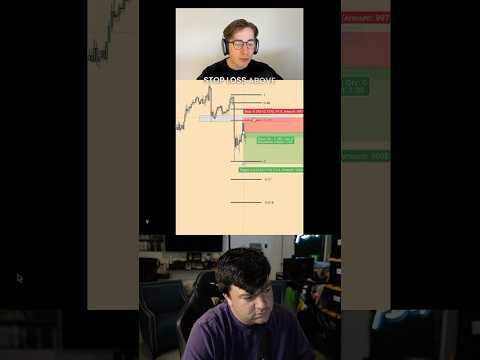
This Supply & Demand X Fibonacci Indicator Is Game Changing
LuxAlgo
3m 32s723 words~4 min read
YouTube auto captions
Transcript source
YouTube auto captions
This transcript was extracted from YouTube's auto-generated caption track. The transcript below is server-rendered so it can be read, searched, cited, and shared without opening the original YouTube player.
Pull quotes
[0:00]So they have an area of support and resistance and they identify this as a valid fib retracement.
[0:00]They then enter on top of the bearish confirmation candle with their stop loss above the high.
[0:00]However, what you see happening is that your stop loss will get hit and this is exactly where you want to be entering.
[0:00]Supply and demand is simply formed by a buy up before a strong sell down breaking market structure.
Use this transcript
Related transcript hubs
Watch on YouTube
Share
MORE TRANSCRIPTS


