[0:00]Welcome back to the emergency medicine high yield shelf examination review. This is the neurology section tailored to the EM shelf. So, with that being said, the Glasgow Coma scale is a grading system that we use to determine how severe someone's coma is. You will have one to two questions on your shelf exam of pure calculation. So for eye opening you get a four for spontaneous, and then it goes down to three, you respond to verbal stimuli, two to pain and then one none. Then you go to verbal, five's oriented, four confused, three inappropriate, two incoherent, one is none. and then motor, six they follow commands, five localized to pain, four withdraw from pain, three is flexion to pain or decorticate, two extension to pain or decerebrate, and one equals none. So you will calculate this Glasgow Glasgow Coma scale grading of equal or less equal to eight or less than eight, go ahead and intubate, okay? That's going to be a big one for you. Uh in comatose patients, there are brain stem reflexes you can check, cold calorics, test the oculo vestibular reflex, you position the comatose patient supine and irrigate the ear with ice cold water. If the brain stem and cortex are intact, then the nystagmus with the fast component goes to the opposite ear. If the brain stem is injured, there's no eye deviation present. If the cortex is injured but the brain stem is intact, the eyes deviate toward the cold ear. Then the doll's eyes, which is the oculocephalic reflex is done only in comatose patients without concern for C-spine injury, and that's because you're moving their head which indirectly moves their neck, right? So if the brain stem is intact, the eyes move in opposite direction of the head. If the brain stem is injured, the eyes stay fixed. When you're approaching seizures, there's a few important things we need to know. There's simple versus complex, then we also have Todd's paralysis, we need to address status epilepticus and the treatment, febrile seizures, and then some things that we need to be on the lookout for in the instance that they are post-ex, uh status post seizure. So, uh seizure in general is simple, uh and that means that there's no loss of consciousness. Complex is more of temporal lobe involvement and there may be loss of consciousness. Todd's paralysis is focal transient weakness following a seizure, and that's significant because it makes it difficult to differentiate from an acute stroke. Status epilepticus is continuous seizure activity greater than 5 minutes or back-to-back seizures with no inter-ictal period. The most common trigger is subtherapeutic drug levels. Patients may continue to have EEG detected electro discharges, even after tonic clonic movements have ended. You want to monitor EEG activity if the patient is paralyzed for intubation to ensure they're not seizing. You first want to address the airway, breathing and circulation. Get a bedside glucose rule out um any other reversible seizure mimics, such as hypoglycemia for example. You want to start a benzodiazepine, get IV access if you haven't gained it already, and then if it is a woman of child bearing age, remember that pre-eclampsia can present as far out as six weeks postpartum. So in these cases you want to start magnesium. Not only does the literature vary on which agents to use, uh first through third line, but each hospital has their own preference as well. So as a general rule of thumb, this is what you want to follow for the boards. You want to do benzodiazepines and then non-benzos like Fosphenytoin and Levetiracetam,
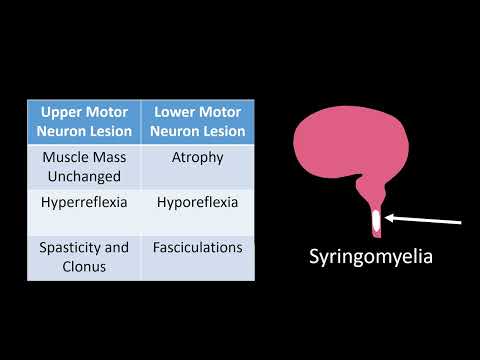
[3:46]and then finally Propofol, all while hunting for reversible causes, like infections, eclampsia, pre-eclampsia, isoniazide toxicity, hyponatremia, alcohol withdrawal and cyanide. Febrile seizures occur between six months and six years of age. The simple last less than 15 minutes with no focal features. Complex last greater than 15 minutes and have focal features. Indications for lumbar puncture are meningial signs that are present, a child less than 12 months of age with no Hib or uh strep pneumoimmunizations, uh and then also um, if they have uh febrile status epilepticus. These kiddo are at high risk for recurrent febrile seizure and are at higher risk of epilepsy than the general population. Risk factors for recurrent seizure uh are age less than one years old, lower temperature at the time of seizure, shorter duration of fever before seizure, positive family history of febrile seizure, and complex complex febrile seizure. Antiepileptics are not indicated after febrile seizure. Neurogenic pulmonary edema presents as a post-ictal patient who is hypoxic and has a rails on examination. You want to consider this entity and treat like other cases of pulmonary edema. A vagus nerve stimulator is an implantable device that is used to prevent seizures by providing intermittent stimulation of the left vagus nerve. Placing a magnet over one can deliver extra stimulation in the event that the patient feels a seizure is coming on. Upper motor neuron lesions, the patient's gonna have a normal muscle mass, hyperreflexia and spasticity and clonus. Lower motor neuron lesions present with symptoms of muscle atrophy, hyporeflexia and fasciculations. But Babinski reflex is normal and up to the age of two. An abnormal, also known as a positive Babinski, is when the big toe extends up and back while the other toes fan out. A normal or negative Babinski, excuse me, is when the toes curl, known as the plantar reflex. Cauda equina syndrome is compression of peripheral nerve roots S2 through S5 due to metastatic disease, trauma, disc herniation, epidural abscess, and lower motor neuron lesions. The most sensitive sign is urinary retention and overflowing incontinence. Symptoms include lower extremity weakness, hyporeflexia, saddle anesthesia, fecal incontinence and loss of anal tone. The treatment is emergent neurosurgery consult for decompression. Epidural abscesses, you have a classic triad of fever, back pain and neurological deficits. The most common organism is staff aureus. The risk factors include epidural catheters, diabetes, alcoholism, Hib, bacteremia and IV drug use. You want to get an MRI for imaging, and the treatment is emergent IR guided drainage and antibiotics. Pott's disease is extra pulmonary TB which affects the spine. The most often seen, it's most often seen in lower thoracic and upper lumbar vertebrae. The symptoms include back pain, fever, night sweats, anorexia, and the most common side of extra pulmonary TB, just said random fact is the cervical lymph nodes. Amyotrophic lateral sclerosis or ALS is a combination of upper motor neuron and lower motor neuron disease. It starts with unilateral weakness, say the hand or the tongue and then becomes symmetric, and over time patients have difficulty swallowing, they have profound muscle atrophy, fasciculations, and ultimately death due to respiratory failure. Syringomyelia is expanding central um, cavity in the spinal cord. It's usually in the cervical thoracic area and most often associated with Arnold-Chiari malformations. The symptoms include loss of pain and temperature in the hands. You diagnose with an MRI and the treatment you just do pain control, and it may require surgery down the line. So when you're approaching headaches, I drew this diagram and I know it's kind of confusing, you're like, ah, there's a lot of stuff going on. It's just to mirror what type of, where the pain is located or what's going on in the person's head and face basically. So, if we look at migraine, and the risk factors are female, 10 to 30 years of age, um, they have a positive family history and it's described as this unilateral throbbing pain with nausea, vomiting, photo, and phonophobia. The treatment is triptans, the first line, and then it's combined with NSAIDs. The adverse effect of, the adverse effects of triptans can cause non-ischemic chest pain, and in patients, you should avoid these in patients with ischemic heart disease and stroke, hypertension and pregnancy. You want to add on IV anti-emetics if they're still having this nausea or emesis. Then cluster headaches are unilateral lasting 30 to 90 minutes. They're multiple headaches described throughout the day or over a span of several weeks. There's no prodrome of aura or signs uh uh or anything like that, but the signs do include things like ptosis, myosis and conjunctival injection, lacrimation and rhinorrhea, which I've tried to demonstrate on the image up here. The treatment is 100% oxygen, non-rebreather. That's really important. 100% oxygen through the nasal cannula is not effective in these patients. The proper prophylaxis is Verapamil. Tension headaches on the other hand, and that's that red squiggly thing that I drew up there. That's constant bilateral pain in a quote band-like distribution. The treatment is just simple analgesics, you can use Tylenol for example. And then trigeminal neuralgia, it's this sensation of sharp electrical-like pain in the trigeminal nerve distribution with spontaneous remission. It can affect one or more branches of the nerve. So you can see up there I did some lightning strikes for the three distributions of the nerve. The treatment you can use carbamazepine, baclofen, and then last resort is surgical decompression. Idiopathic intracranial hypertension, also known as pseudotumor cerebri or cerebri, occurs when impaired cerebrospinal fluid absorption leads to increased cerebrospinal fluid pressure without a mass or obstruction. You want to think about young, obese female. The history of irregular menses, you complaints of a headache. The physical exam will reveal bilateral papilledema, and you diagnose with lumbar puncture. It's confirmed with an elevated high opening pressure. Treatment is very straightforward. Weight loss and acetazolamide. The loss of venous pulsations on funduscopic examination is the earliest indication of papilledema. I could see that showing up on the shelf exam. Temporal arteritis, you'll see this in elderly patients with headache and temporal artery tenderness. There's a strong association with polymyalgia rheumatica, and they diagnose with temporal artery biopsy and elevated ESR. The treatment, you want to start steroids immediately. Do not wait for that biopsy results, go ahead and start the steroids. And then moving over to more ominous uh causes or pathologies of headache would be things like subarachnoid hemorrhage. And really, the only known risk factor for subarachnoid hemorrhage is if a first-degree relative has a history of cerebral aneurysm. Presentation will be that classic thunderclap headache, worst headache of a person's life. It's associated with nausea, vomiting, hypertension, neck pain. The next best step is a non-contrast CT scan. You're looking for hemorrhage. If the scan is negative and you still have a very high suspicion of diagnosis, uh, you want to go ahead and perform a lumbar puncture. The lumbar puncture findings consistent with a subarachnoid hemorrhage include a red blood cells present in all four tubes, blood, and or xanthochromia, which is when the cerebrospinal fluid will appear yellow due to bilirubin. If you have blood in tube one and zero red blood cells in tube four, then you probably have a traumatic tap and not subarachnoid hemorrhage. Xanthochromia is the most sensitive and specific lumbar puncture finding for subarachnoid hemorrhage. The treatment you need to consult neurosurgery quickly, and depending on the source, you generally target blood pressure less than 160. You want to intubate these patients, keeping the PCO2 in the event you need to intubate, you want to keep the PCO2 between 30 and 35. Epidural hematomas, this is a bleeding from the middle middle meningial artery rupture, often due to fracture or trauma. It will present as some form of a head trauma, leading to a brief loss of consciousness, and then a lucid interval, and then the patient will come in with a headache, altered mental status. The CT will show lenticular shaped, uh area on the CT scan. Subdural hematoma on the other hand is bleeding from the bridging veins. The symptoms include headache and can be present with or without the lucid interval. And seen commonly in elderly and alcoholics. There's a higher mortality rate than epidural hematomas, and you want to always consider any dialysis patient with a headache or altered mental status. The blood appears to conform to the shape of the brain on the CT scan. So it can be acute, subacute or chronic. And then patients with normal pressure hydrocephalus will present with the classic triad of dementia, ataxia and urinary incontinence. You you may have heard it in your um board studying as wet, wacky and wobbly. The CT head will show enlarged ventricles, which is caused by abnormal absorption of the cerebrospinal fluid by the arachnoid villi. The treatment is you want to get rid of all that excess fluid. ventricular shunt, um headache, also can be um, something you want to consider, I guess, too, is like in patients that have ventricular shunts. They have a headache and you need to evaluate for shunt malfunction and or infection. Normally these shunts are a one-way valve that shunts the cerebrospinal fluid to the bloodstream or another body cavity, like sometimes in the GI, somewhere over there. If the shunt can malfunction due to obstruction, kinking, or disconnection, and then headaches due to brain tumors are classically worse in the morning. I'll repeat, because that's going to probably be on your test. Headaches in due to brain tumors are classically worse in the mornings. And then very briefly, pituitary apoplexy is due to impaired blood supply to the pituitary in the setting of a pituitary tumor. So the most common initial symptom is just a sudden onset of headache. And then it'll compress at the optic chiasm, which will lead to those visual field deficits. It's associated with adrenal insufficiency and the treatment is hydrocortisone surgery. Ring enhancing lesions on CT with contrast, think about toxoplasmosis. I want to move more into the meningial stuff, because that you're going to see that on your test. So, the most common cause of bacterial meningitis is strep pneumo. In newborns, you want to think of Group B Strep, E coli, Listeria. In infants and kiddos, you want to think of strep pneumo, N meningitis, H flu. In adolescents and young adult, you want to think of N meningitis and strep pneumo. And then in older adults, um strep pneumo, N meningitis, and Listeria. In empiric treatment of adults, you want to do Vank and Ceftriaxone. And then in adults greater than 50, because they have Listeria, you want to add on Ampicillin to cover that. For neonates, use Ampicillin and Gentamicin. And then anyone with a fever and stroke-like symptoms, you want to think about encephalitis. MRI and lumbar puncture will be diagnostic and empiric treatment with IV Acyclovir can be started while results are pending for your encephalitis workup. And then like I I tried to color code this a little bit, but basically, for bacterial meningitis, you want to see things like opening pressure is elevated, proteins elevated, glucose is decreased, while viral cases have normal to high opening pressures, low protein and normal glucose with a predominance of lymphocytes. And then fungal and TB, you're going to see um very high opening pressures for the fungal cases, slightly elevated protein, slightly decreased glucose, and a presence of lymphocytes. So, hopefully that color coding will help you as you're studying. There's some neuromuscular disorders that you may be tested on for your ER shelf. You want to think of uh patient with neurological deficits that are separated by time time. Uh think MS. The pathology is demyelination of multifocal areas of the central nervous system, leading to the pathognomonic bilateral internuclear ophthalmoplegia. Uh so basically that's when when you're looking left, the right eye will not ADduct and looking right, the left eye will not ADduct. And then the abducens nerve will cause diplopia. The treatment of an MS flare is high-dose steroids, often methylpred, 1 gram IV Q day for three days. Another visual finding you'll see in MS is optic neuritis, which is characterized by eye pain, vision loss, and difficulty with certain colors, like red for example. The treatment for optic neuritis is also IV steroids. So basically, just as a general rule of thumb, MS is one of those rare times where you're going to go ahead and use IV steroids. Those are better in these MS patients than oral. Guillain-Barré is an autoimmune demyelinating disease with presentation of ascending paralysis. You will see a loss of deep tendon reflexes, that's pretty classic. And as the paralysis ascends, it can even affect the diaphragm, so you want to consider intubation in these patients with a FVC less than 15 ml per kg, a PAO2 of less than 70, if they have aspiration risk, they have difficulty with breathing, swallowing, or speech. The treatment is supportive care and IVIG. Remember botulism toxin prevents acetylcholine release, so you want to look for early ocular involvement, things like ptosis, fixed and dilated pupils, diplopia, blurred vision, and photophobia. There is a lack of pupillary light reflex and a loss of deep tendon reflexes. The classic presentation in kiddos is they're getting into that honey jar, remember? And then myasthenia gravis is an autoimmune disease directed against acetylcholine receptors. Patients present with ptosis, muscle weakness, and true muscle fatigue. True muscle fatigue is when it worsens with repetitive use. The two bedside tests you can do in the ER are Tensilon test, and that's where you inject the Edrophonium and look for improvement in ptosis, and then this can induce bradycardia. And then icepack test, where you just place the icepack over the patient's eyes for two minutes and look for improvement in the ptosis. The antibody testing is the most sensitive and specific. Myasthenic crisis results in profound muscle weakness that results in respiratory failure and inability to swallow. When you check um, when you check for negative inspiratory force, or a NIF, a value of less than 20 is an indication for intubation. The treatment is stabilizing the airway, and you want to give steroids, IVIG and plasmapheresis. Anticholinergics such as pyridostigmine have a rapid onset of action. You want to be careful with dosing as too much can actually mirror cholinergic crisis. So distinguish myasthenia from cholinergic crisis. You want to remember that myasthenia prevents with mydriasis, dilated pupil, while cholinergic crisis presents with increased secretions and miosis or a um, shrunk pupil, that's the pupils are tiny. Oftentimes, something can precipitate why they're in myasthenic crisis, so you want to be on the hunt for infectious causes, for example. And then Lambert-Eaton is an autoimmune disease with failure of release of acetylcholine from the terminal axons of the motor neurons, often associated with small cell lung cancer. Symptoms include weakness of proximal muscles that improve with repetitive use, and the treatment is IVIG and plasmapheresis. And then just for completion's sake, tick paralysis is an ascending paralysis and ataxic that is reversible once the tick is removed. Moving over to TIA and ischemic strokes, a transient ischemic stroke or a TIA is a transient neurological dysfunction caused by ischemia without infarction. And it presents like a stroke, but the duration is less than one hour of symptoms. The most common cause is a dislodged atherosclerotic plaque. Folks with TIAs are at increased risk of stroke, the greatest risk being the next 48 hours. Treatment is, you just want to start aspirin for them. For ischemic strokes on the other hand, tPA needs to be given within 4.5 hours of onset of symptoms. That's what the literature says. You can go as late as 4 1/2 hours. You want to get a time of last known well. That way you can calculate the the time, whether or not they're a candidate for tPA. Contraindications for tPA from the American Heart Association include head trauma, a previous stroke in the last 3 months, current intracranial or subarachnoid hemorrhage, recent intracranial surgery, active internal bleed, intracranial neoplasm, an AVM, or an aneurysm, or currently severely uncontrolled hypertension. And then just some common ischemic strokes and their presentations and symptoms. The uh okay, obviously and then for ischemic stroke, right? Here, you're going to do tPA and then you're going to start them on antiplatelet therapy afterwards, okay? And then you want to look for things in anterior cerebral artery strokes, those cause weakness in the legs greater than the arms and face. The middle cerebral artery strokes cause weakness in the arms and face more so than the legs. Strokes involving the MCA are associated with aphasia. Strokes involving, excuse me, strokes involving the right MCA are associated with hemineglect. The left ones are associated with aphasia. Posterior cerebral artery stroke causes vision loss. And vertebral basilar artery stroke is often missed on CT scan so you need an MRI for diagnosis, and these patients are going to have cross deficits, ipsilateral cranial nerve palsy with contralateral hemiplegia with vertigo, nystagmus, or ataxia. Which makes sense, because it supplies the brain stem and cerebellum, right? Locked-in syndrome is a, an infarction of the basilar artery, and patients wake up cognitively aware. The eye movements are spared, but they're quadriplegic and can't speak and they can't swallow either. Wallenberg syndrome is a common symptom, uh syndrome, it has a common symptom of dysphagia. It's often with ipsilateral cranial nerve deficits and contralateral pain and temperature loss in the trunk and or extremities. You can see ataxia and nystagmus, vertigo, or Horner syndrome as well. And then a lacunar stroke involves the occlusion of a single penetrating branch of the large cerebral artery. It's associated with hypertension, smoking, and diabetes. Then pure motor lacunar infarcts, uh you want to look for things like pons, internal capsule, while the pure sensory uh infarcts, you want to think about the thalamus. And we're almost done. Hemorrhagic strokes, you want to target and like this again, depending on which literature you follow, you want to target that blood pressure between 140 to 160. Cushing's reflex includes hypertension with bradycardia, and it's often a sign of impending increase in intracranial pressure. And it it's scary, because it it kind of is the prodrome to herniation, right? Um in patients who have hemorrhagic stroke. Uncle herniation, you will probably see on your ER shelf. It's an ipsilateral fixed dilated pupil with contralateral hemiparesis. And then cerebral venous thrombosis presents with gradual onset of headache that progresses to seizure, focal neurological deficits, and decreasing levels of consciousness. Anticoagulation is the most commonly accepted treatment, even in cases of uh intracranial hemorrhage, related to venous or vertebral venous thrombosis.
[23:42]Cavernous sinus thrombosis is similar, except it's often associated with spread of infection from the nasal or paranasal sinuses. Staph aureus is the most common bug. If you good job if you guess Staph aureus. And then ocular symptoms predominate with proptosis and photophobia and cranial nerve deficits, which makes sense, right? Because when I drew this little cavernous sinus here, you see all those cranial nerves that are going to be affected. Treatment is anticoagulation and antibiotics. And then this last little tidbit here is the empty delta sign is a CT finding in dural venous sinus thrombosis of the superior sagittal sinus. And the sign is visualized on contrast enhanced CT or MRI. So that rounds out or concludes this um high-yield emergency medicine shelf review tailored to the neurology portion. If you have any questions, leave them in the comments. Thank you so much for your time and I hope you uh learn something today. All right, see you all later.