[0:00]In psychology, there's something called an avoidant attachment style, and it often shows up in people who stop calling their parents once they leave home.
[0:09]They're not heartless, they're not cold. They've just learned to keep their distance to protect themselves.
[0:15]These are the ones who seem fiercely independent, always saying I got it, never asking for help, never showing too much.
[0:23]But under that strong capable surface, there's often quiet sensitivity, deep emotion, and a history of feeling let down.
[0:32]Even if they're surrounded by friends, the bonds rarely last. They drift, not because they don't care, but because closeness feels risky.
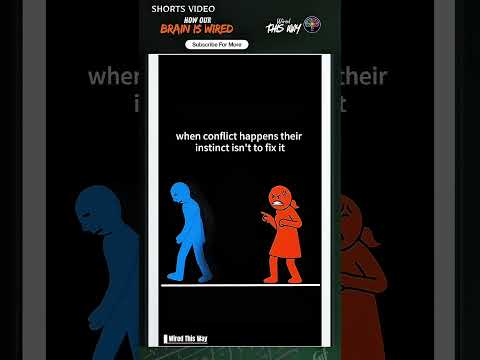
[0:41]Vulnerability feels unsafe. When conflict happens, their instinct isn't to fix it, it's to disappear.
[0:49]Why? Usually, it goes back to childhood. Maybe they were ignored emotionally, criticized constantly, or made to feel like a burden for having needs.
[0:59]So their brain adapted, don't depend on anyone, it's safer alone. Avoidant types tend to pull away the moment someone gets too close.
[1:08]And when something hurts them emotionally, they won't react right away. It shows up later, after they've had time to bury it, process it, and maybe even pretend it didn't matter.
[1:19]But it did matter. Avoidant doesn't mean unfeeling, it means unhealed. And healing starts not with forcing connection, but with learning that closeness can be safe again.


