[0:01]There's so many images that will never go away. Such as we were on the radio, we were told to stay indoors, the country had been invaded, to not even appear at the windows, to close the curtains and so forth. Telling me that of course, I was behind the curtains and I saw these German tanks come in for hours marching, driving. And the the Holland fell after five days because it's a small country with a small army and they they fought very bravely but there was no way of holding back the German army and all of that is history now. Then followed five years and and of course you say, oh my God, isn't that terrible? Five years of German occupation, which it was. But a child is a child is a child. You live by the day, obviously it was much worse for my mother in a in a certain sense and for my family. And just went to school, except that I was shoved into a Dutch school right away, not knowing a word of Dutch. Because my mother was worried about this child speaking English in the streets and Germans all around and she thought that was rather dangerous. So that was a traumatic experience to end up in a huge classroom not knowing what word that was being said and every time I opened my mouth, everybody roaring with laughter. But that's just great at that age, but it's a great way to learn a language, you know, I can speak Dutch. Then little by little, yes, there was a knock on the door and they took my uncle away who six months later was shot and another uncle too, and my brothers went underground. My uncles were the first hostages to be shot in Holland, and it was actually the turning point because from that day on, an underground was formed. Because for the first few months we didn't know quite what had happened. We thought perhaps we're just going to be nicely occupied and, you know, our freedom would be the same. And that's when really the hard time started because that's when so many reprisals were made and so many people were shot and so many people were rounded up and imprisoned. And after the first few months, all Jews had to be had to wear yellow stars and they started being rounded up and taken away in trucks. And I go to the station with my mother to to take a train to the next city and I'd see cattle trucks filled with jewels picking up more, we're standing around us. And I remember so well a little boy, a little blond, my mother took to explain all this to me. We did then not yet know that they were going to their death. We've been told they were going to be taken to special camps and uh, why, it was very hard for me to understand because I was 11 or something, you know. But those images have never, never left me.
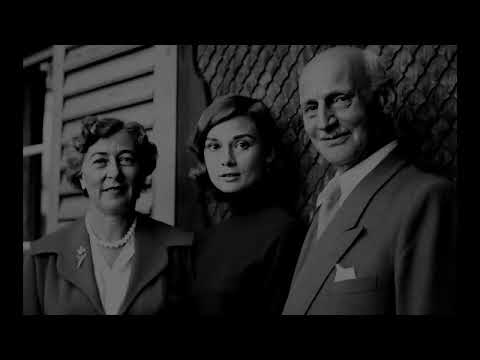
Audrey Hepburn speaks about her experience during world war 2
Efti Dep
2m 40s515 words~3 min read
Auto-Generated
Watch on YouTube
Share
MORE TRANSCRIPTS