[0:07]Pollinators and Pollination Hi everyone. Today, we are going to learn about pollinators and pollination. If you want to read along with us, you can download this lesson plan from our website, LearnBright.org. What is pollination? Pollination is a process that produces seeds, fruits, and young plants. It happens when a pollen grain moves from the flower's anther, male part, to the stigma, female part. Wind and water help to transfer pollen, and some plants self-pollinate. But, most plants are pollinated through the hard work of insects and animals. These insects and animals move pollen from one blooming flower to another to fertilize the plant. Bees, wasps, moths, butterflies, birds, flies, and small mammals like bats, use flowers for different reasons. Some search for food and shelter, while others search for nesting materials or mates. Pollinators may move pollen on purpose, while others do it by accident. Pollen often sticks to their bodies while inside a flower bloom drinking or feeding on nectar. Then, as they move from flower to flower, it is transported, resulting in pollination. Who are the pollinators? There are many different pollinators because there are many kinds of plants. Solitary bees, like honeybees, are the most well-known pollinator. However, those make up only a tiny portion of all bee species. In fact, there are over 20,000 different bee species. Solitary bees are not aggressive. Many can't even sting. These bees are excellent pollinators because they have hairs and other specialized body parts that collect and transfer pollen. As a result, they are very effective at pollinating plants. Bumble bees are also important pollinators. They pollinate wild flowering plants and agricultural crops, like tomatoes, peppers, and cranberries. Unlike many other bees, bumble bees can fly in cool temperatures and see well in low light. This makes them excellent pollinators at high elevations. Bumble bees buzz and pollinate. This involves grasping a flower in their mouth, and then vibrating, continuously moving back and forth, their wing muscles to dislodge the pollen. While most people don't like wasps for their aggressiveness and painful sting, wasps are very important for pollination. They are adept at hunting, which means they are skilled or proficient at keeping the insect population balanced. While they don't have fuzzy bodies like a bee to collect pollen, they accidentally pollinate flowers by carrying and dropping pollen grains as they move among flowers. Other interesting facts. Flies can be terrible pests and carry diseases. But, some flies are beneficial. For example, flies help to pollinate apples, peppers, mangoes, and even cashews. But because they don't have nests, and their bodies are not hairy, we forget that they are helpful pollinators too. Beetles are the most diverse group of organisms in the world. Like a rainbow, they also come in lots of different colors. Scientists believe that 150 million years ago, beetles were probably the first pollinators. They would have crawled in and out of prehistoric flowering plants. Many flowering plants on Earth need help with pollination. In fact, somewhere between 75% and 95% need help. And more than 100 crops grown in the United States must be pollinated. That means one out of every three bites of food you eat is produced because of a pollinator. Scientists discovered that tiny shrimp, jellies, and other sea creatures act as pollinators of the sea. The pollen sticks to their bodies when they swim through flowering sea grass. The pollen is deposited onto other plants as they swim to the next area. This helps the plants to pollinate when the water current might not bring the pollen to the plants. This is exactly like what happens on land with bees. Why are they important to the environment? Pollinators are important to the environment because they help to build healthy ecosystems. Plants stabilize soil, clean the air, supply oxygen for us to breathe, and support many wildlife creatures' diets. Without pollinators, there might not be enough young plants to keep everything going. But pollinator populations are changing, and many of them are in decline. This is because they are losing their feeding and nesting habitats to pollution, disease, chemical pesticides, and changes in climate patterns. The loss of these vital pollinators has far-ranging ecological consequences. But we can all help to reverse this by creating home gardens full of flowers for hungry pollinators. In addition, many farmers plant flowering plants or maintain beehives near their crops to help pollinate the growing plants. Farmers recognize that without pollinators, there would be no plants or food! We have just learned a lot of facts about pollinators. Let's review! Choose the word the author would say best describes the pollinators. A. Aggressive B. Venomous C. Effective D. Protected E. Predator If you chose C, effective, you're correct. How do tiny shrimp and sea creatures pollinate seagrass? They swim through flowering sea grass and collect pollen on their bodies, then swim to other grass and deposit the pollen. True or False: Bees are excellent pollinators. If you said true, that's correct. Great job, friends. If you liked this lesson, make sure you check out more on LearnBright.org. See you next time. Hope you had fun learning with us. Visit us at learnbright.org for thousands of free resources and turnkey solutions for teachers and home schoolers.
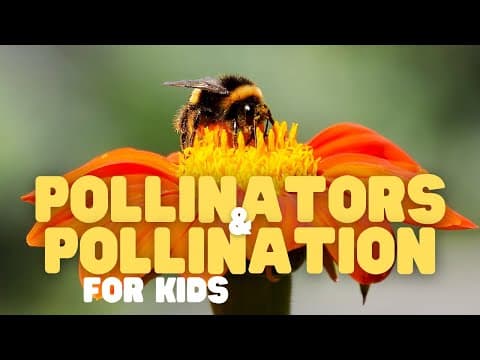
Pollinators and Pollination for Kids | Fun facts about pollination and who's responsible!
Learn Bright
6m 48s880 words~5 min read
Auto-Generated
Watch on YouTube
Share
MORE TRANSCRIPTS