[0:11]So today we're going to continue researching how birds use their feathers to survive. Good job. All right. We are going to start with what we continued with yesterday. So I need everybody to sip toe up onto the carpet, pushing your chairs and tiptoe. Can anybody tell me, where did we get this information yesterday? What? It's all about birds, but where did we get these sentences? From the book. Can anybody tell me what the book was called? Woo woo. Feathers. Perfect. That's the title of our book that we read. And does anybody remember why we have pictures of blankets and pillows and sponges and scrub brushes and a bull fighter and a shirt up there? Because feathers act like this. Feathers do act like those. And when we are comparing those pictures to those words like warm like a bat blanket, using the words like, we are calling them similes. Can everybody say that? Simile. Simile. So, was that all that was in the book or were there more? More. There were more. There were more. So I actually made another anchor chart with the new ones that we missed yesterday. So we're going to read them together. Ready? Yes. All right. So we have, this is the simile, and these are our picture clues. Let's see if you can remember. Make a high pitch sound like a whistle. Who did that? I forgot. Remember? All right, let's see if we can find it. What made a high-pitched sound? A bird. What did he use to make the high-pitched sound? His beak. Do you remember? I'm going to read it one more time. Feathers can make a high-pitched sound like a whistle. So did his beak make that sound? No. No, his feathers did. So this is all about what feathers can do. We're continuing from yesterday. Can we stop whistling, please? All right, number eight. Attract attention like fancy jewelry. What did that? Raise your hand if you know what type of bird this is. Malon? A peacock. A peacock. A peacock. And so, why do we have this picture of a diamond ring? Because they're feathers are special like jewels. Oh, they're their feathers are special like jewels. Right. All right, let's go to nine. Dig holes like a backhoe.
[3:07]Make a sh.
[3:10]We have swallows that do this. And what's this a picture of?
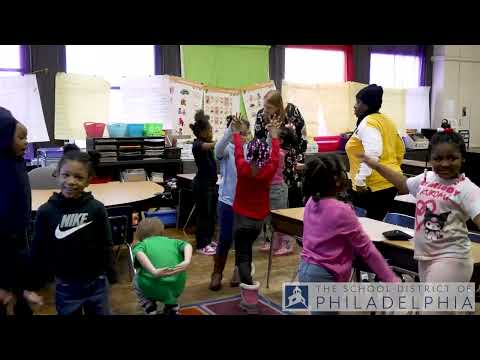
[3:17]A backhoe. It's a picture of a backhoe. That's what a backhoe lives it looks like. Good. All right, number 10. Carry building supplies like a forklift. And that was this bird here, the rosy-faced lovebird. And what did she do? What did she carry? A stick. Sticks. And what do you think she was doing with those sticks? Building, building what? A house? Or what what do we call where birds live? Nest. A nest. Good job. All right, so we are going to do some role play. Remember our role play protocol? It's read a certain part of the text again, which our text is already on our anchor chart. You're going to decide what you're going to be, so you can decide to be a whistle in the bird, a a fancy peacock, a backhoe or a forklift, right? And you're going to act this out with your partner. And when you're done, you're going to make what? Like a stand up for a second. You're going to make a 10 just like this, right? Make a 10 so I know you're done. All right. So I like to do pinky partners first. You're going to stand up. I want to me. I want to me. And find your pinky partner and spread out. One, two, three, action. Go ahead. What do you guys? Tell your partner what you're doing. I'm going to. I'm going to. I'm spreading all my feathers out.
[4:46]And when you're done, make a tent. What are you making? What are you acting out? A bird. Okay, what kind of what are you doing with the bird? Are you building? Are you building your nest? Yeah, okay. What are you doing?
[5:01]Oh, a peacock. They're standing there all very pretty. What else? Logan, what did you act out? A bird. What type of what were you doing? Flying? Which one went with flying?
[5:13]How do you act like a lovebird? Which one did the bird put all the stuff in his in his feathers and he went to do what with it? Yeah, he was going to build the what? A nest. So he acted like a forklift, right? We have learned so much about feathers. We as a class are going to write a paragraph about how important feathers are. Eventually you're going to do this on your own. But I'm going to first do it with you so you know exactly what to do. So everyone's going to get a shared writing template. So this is like a little form and we're going to first focus on the focus statement. And I'm going to do this part with you today. So I want you to write your names at the very top. We, like we talked about, are researchers. We are researching what? Raise your hand. What are we researching? Feathers. Feathers. Bird feathers. What have we learned about feathers? Feathers have, feathers have what? What do we call them, Gregory, look up, please. What do feathers have? Different jobs. Different jobs. Perfect. Mm-hmm. Nope, we're not going to write that yet. So our. So when we're researchers, we're going to share what we learned with others through writing. So that's what we're doing today. We are going to share with others what we've learned so far about what kind of jobs feathers do. All right, so our learning target today is I can contribute to the focus statement and detailed sentences in a piece of shared writing. Now I made this wonderful chart for us that shows us how to write an informational paragraphs. So we're going to focus on two parts today and then we'll focus on the last two parts when we come back on Tuesday. So our focus statement right now, it tells the big idea of your piece of writing. And Elijah, what did you say that we were going to focus on today? Feathers. Feathers. I want you to turn and talk to your partner about what a good focus statement could be. What have we been learning about? Yes, Elijah said feathers. But what's a good sentence? What do you know about feathers so far?
[7:42]They act like a sponge. I'm going to write a boy. Think of a big picture, Alia. All of those great, all of those are great. But I want you when you're talking to your partner to think about the big picture like over there. I think it helped them. What do you think about feathers, Justin? I think they're beautiful. Don't you? I think they're beautiful too. What does feathers do? Feathers are beautiful. Yes. Feathers can fly and colorful because the feathers protect them.
[8:46]I heard five, four, three, two, one. You don't have to write anything yet.
[8:54]Right. So yesterday we talked, I wrote all our notes down. We talked about different types of feathers and what their job was and how it helps a bird. Does anybody know this word?
[9:15]Aelia? You can laugh like you can last like you can get real older. You can last. Okay, so you can last to be old, right? You can live a long time. Survive means if something like happening, but you survive from. Good. Okay. So, if birds didn't have feathers, what would happen? Raise your hand. What do you think?
[9:44]If birds didn't have feathers, they would be cold and they didn't know how to warm themselves. So they might what? They might what, Nyla? When birds don't have feathers, they might be cold. They might be cold. What happens if they're too cold? They might not survive. They might not survive. They might die. And we don't want birds to die, right? All right. They might freeze, right?
[10:13]So what do you think is a good focus statement using the word survive?
[10:24]What do we think? Anybody think about it. I want you to talk to your partners. What do you think is a good focus statement, using the word birds, feathers and survive? And birds were in like the middle of the street and they didn't have feathers and a car was coming by, they would probably go wow.
[10:48]What do the birds' feathers help them do?
[10:52]The birds help their bodies to help to warm their babies. Their babies. I heard a lot of birds, feathers, and I heard a lot of, if they don't have feathers, they can't keep their babies warm and they can't stay warm. So, if they can't stay warm, we already know that they won't survive, right? So I'm going to write, birds' feathers help them to survive. So let's write it together. You're going to write it on your paper and I'm going to write it up here on the board.
[11:32]I'm going to start my sentence with a what? Uppercase letter. Uppercase letter.
[11:42]Your voices should be off. I don't know how to write birds. All right, just put it on the board for you to copy. Remember, we're doing this together. Everybody should be writing. One sentence. This is our focus statement. I can't wait.
[12:04]No problem. The next part is using details to support our focus statement. So I heard a lot about being warm. What bird yesterday did we talk about specifically his feathers were used to be keep warm? Raise your hand.
[12:32]Aelia?
[12:39]You remember what bird talked about being warm?
[12:56]A bluejay, right? He looks blue. Bluejay. So we have fluffy soft warm keeps the bird warm. That's how the feather helps it survive and I also posted a picture of the feather, right? So we talked about that.
[13:14]Let's talk a little bit about protecting the bird's skin. So that's one thing we could write about, right? That's one detail. Would you like about, would you like to talk about keeping the bird warm or protecting their skin? Keep the bird warm. No. Okay, well, let's and then we can save it for next time is protecting their skin. All right, so I heard a lot about keeping the birds warm. So I'm going to say for the next sentence, what do we think we should say? Let's turn and talk to your partner. Keep the bird's warm, okay? Keep the bird warm.
[13:53]How are they keeping warm? Some birds have what? So now we are going to write details that support our focus statement. And we talked about, a lot of us talked about staying warm. So this blue jay, what does it say on that page? Feathers can. Fly. We read it together. Feathers can warm like a blanket. So we know. So I'm going to start my sentence. Ready? Some birds, because not all birds have fluffy feathers, right? No. No. So I'm going to write some birds and you're going to do the same. I can't hear you. You will see in a minute. Can you move down a little bit? So right, some birds. And I'm going to write have. And I want you to whisper to your partner. What do the birds have to keep them warm? Feathers.
[14:50]What type of feathers? Make sure you're looking at the chart and in the book. What type of feathers? What do we call them? How do they describe the feathers?
[15:13]Oh, fluffy. And what other what other part? What others is describing word?
[15:33]Warm and fluffy feathers.
[16:21]Guys, make sure you're using the chart. First graders, make sure you're using the chart. What do those soft, warm, fluffy, Riley feathers do? They keep the bird what? Warm. So that's what you should be talking about.
[16:37]So now I'm going to describe what those soft, warm, fluffy feathers do. What is a good sentence I could say? The what? The feathers do what? Think about it.
[16:51]It's not fly. Look at the chart. What do the fluffy feathers do?
[16:58]What do we not calling out, raising your hand? Savier, what do they do?
[17:05]Keep the birds warm. Keep the bird warm. Perfect. So your second sentence. Good job, Sebastian. Your sentence, your next sentence is these feathers.
[17:24]Keep.
[17:28]The.
[17:33]What's the word? Warm. Warm.
[21:49]I want you to look at the words contour feathers.
[21:56]I also have it on my definition slide up here.
[22:04]At the bottom, it says, everybody looking at me. At the bottom, it says, some birds have contour feathers.
[22:59]So how would you make that into a sentence?