[2:08]is only giving the relative risk compared with a specific population it was created with. That's why it's falling somewhere on a distribution curve. And it's important to develop a risk or algorithm with the ethnic population it is intended for. Applying an algorithm designed on data of European descent to a person in Japan might not be as accurate. So different scoring algorithms will be needed for different populations. In some countries, polygenic risk scores are already being piloted in healthcare systems. In the near future, polygenic risk scores could be another personalized factor in assessing risk for complex diseases. And from one genotyping test, polygenic risk scores could be calculated across many different diseases for an individual. How will polygenic risk scores benefit your disease area of interest?
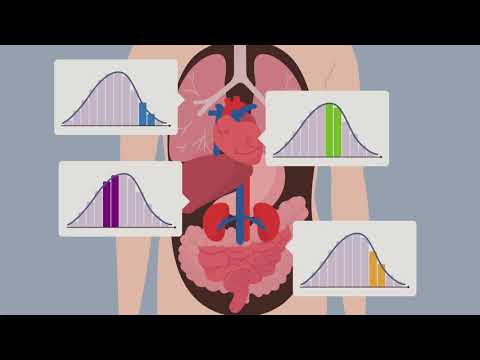
Learn about polygenic risk scores and their game-changing potential
Illumina
3m 3s130 words~1 min read
Auto-Generated
Watch on YouTube
Share
MORE TRANSCRIPTS