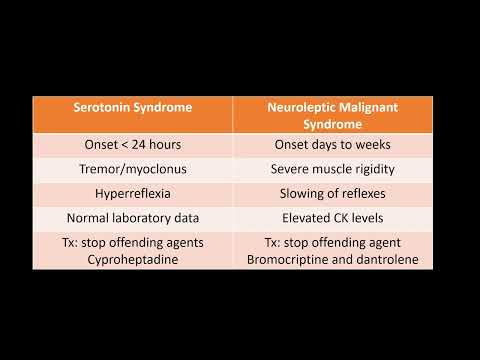
[0:00]All right, kicking off the high yield emergency medicine shelf examination review specific for psychiatry. The number one risk factor for suicide is previous attempt of suicide, presence of firearms in the house is another risk factor. Firearms are the most common method of completed suicide, and hanging is the most common method attempted. Grief after death of a loved one can last up to six months. Borderline personality disorder is characterized by labile emotion, unstable relationships, impulsiveness and self-destructive behavior with frequent suicidal threats and gestures. Narcissistic personality disorder is characterized by exaggerated sense of self and self-importance. Histrionic is characterized by emotional, dramatic and attention seeking and seductive behaviors. Antisocial personality disorder is characterized by substance abuse and disrespect for the law. Positive symptoms of schizophrenia include delusions, hallucinations, disorganized speech and behavior. Negative symptoms are flat affect and lack of speech. Negative symptoms are often refractory to treatment. And then the big one for psychiatry in terms of the ER shelf is the classic delirium versus dementia. You'll probably have a question on this. Delirium is rapid in onset, it fluctuates, it's usually for the duration of hours to weeks. The sleep wake cycle is disrupted and alterness is impaired and you can have visual hallucinations. The most common cause in elderly is due to medications. And then dementia on the other hand is slower onset, it's slowly progressive, it lasts months to years. The sleep the sleep wake cycle is mostly normal. Um these patients are okay and they're alert in that in that regard, but the most common cause in the elderly for dementia is due to Alzheimer's disease. Parkinson's disease is characterized by four symptoms: difficulty with balance, shuffling gait, pill rolling tremor and cogwheel rigidity. Somatization disorder is when the patient has physical complaints as a result of an underlying psychiatric condition. Hypochondriacs often have a conviction that he or she is sick and they pursue medical care. They're cooperative with all evaluation, uh but they have no secondary gain. Conversion disorder is the sudden onset of neurological complaints with no organic basis, usually in response to stressful events. This is usually involuntary and subconscious. You contrast that to malingering when someone comes in and has an external incentive and is uncooperative with the evaluation. It's for voluntary gain and it it's a conscious decision. Munchhausen syndrome is when one creates stories about a medical illness to have tests done, their symptoms are described as if they were literally right out of a out of a textbook and their goal is to get hospitalized and they're very attention seeking. Akinesia is the inability to initiate movements, it's a severe form of Parkinson's disease. Akathisia is restlessness, it's reversible with benzos, Benadryl and benztropine. And Tardive Dyskinesia is the involuntary oral facial movements due to prolonged use of antipsychotic medications. And the last little bit of high yield psych in terms of specific to tailored to the ER shelf is serotonin syndrome versus neuroleptic malignant syndrome. So serotonin syndrome it can be caused by SSRIs, citalopram, paroxetine, analgesics including fentanyl, tramadol, anti-medics such as ondansetron, metaclopromide and migraine medications including triptins and tricyclic antidepressants. To be clear, a patient, they don't have to have to overdose on a serotonin related medication or any of these meds I just listed to get serotonin syndrome. They could be taking citalopram for years and years and years and then you increase the dose and then you add on another medication and then boom, they'll get serotonin syndrome. So that's contrasted uh as you can see up here, the onset's pretty quick, less than 24 hours. They'll primarily have tremor, myoclonus, hyperreflexia, normal laboratory data, uh and you want to stop the offending agent and give them cyproheptadine. And that's different than neuroleptic malignant syndrome where it's potentially life-threatening and you want to think of too much serotonin and serotonin syndrome. You want to think of too little dopamine in neuroleptic malignant syndrome. These patients will have confusion, fever, muscle rigidity, present similar to serotonin syndrome, except there is just this profound severe muscle rigidity and the labs are abnormal. You'll see lucocytosis, increased CPK levels, um and then neuro malignant, neuroleptic malignant syndrome typically begins several days after the offending agent is started. So, onset is days to weeks, severe muscle rigidity, you'll have some delayed reflexes, elevated CK levels and you want to stop the offending agent and treat with bromocriptine and dantrolene. Last but not least, I want to briefly touch on malignant hyperthermia. It's a rare disorder, it's autosomal dominant that manifests when patient receives succinylcholine or some other type of inhaled anesthetic. Uh excess calcium gets released causing sustained contraction and heat production. Patients will present with sudden onset of difficulty ventilating due to chest wall rigidity and the treatment is with dantrolene. So that's it for the high yield emergency medicine shelf review specific to the psychiatry. If you have any questions, leave them in the comments, otherwise I wish you best of luck studying.
Emergency Medicine Shelf | Psychiatry
Soccerates Medicine
5m 51s843 words~5 min read
Auto-Generated
Watch on YouTube
Share
MORE TRANSCRIPTS