[0:01]Hey guys, in today's micro lecture, we're going to talk about the condition of seizures. So seizures is the act of the brain's electricity firing off all over the place through abnormal, abnormal processes. And as the electricity stimulates certain parts of the brain, you get a some kind of a physical response with most of the seizures. Now, there are types of seizures called absences, whereby the person doesn't actually convuls and shake, but they are still having abnormal electricity because that's affecting a certain part of the brain. So all you need to remember around seizures is that the the larger the amount of electrical discharge in the brain, and therefore the biggest amount of part of the brain affected, the more side effects you're going to get. In other words, the bigger the seizure, the more movement and and thrashing around of the head and the muscles and the body. And therefore you can also have these things called focal seizures where only one part of the brain is being affected by the by the electricity. And therefore you can have uncontrollable spasms of one part of the body. Now, in terms of paramedic practice, it's your job to assess the severity of the seizure and provide some kind of history taken around how long has it been occurring. Is this person epileptic or is this a seizure that's caused by other means, for example, hypoglycemia, a pre-arrest? Sometimes people will have a a seizure before they go into a cardiac arrest. Other times patients have had head injuries, maybe they're hypothermic. These are all causes of seizures, but regardless of the cause, it's your role as a paramedic to be able to manage that seizure, protect the airway, do your A's, B's and C's, and to provide some kind of medication to try and stop the seizure. Now, most ambulance guidelines will tell you that before you go rushing in to give this powerful drug, they have to have had the seizure for more than five minutes because if the seizure is likely to arrest itself, then that's great. We don't need to be adding some powerful sedative, like benzodiazepines, into their system to sedate their breathing and the respiratory system and paralyze their muscles if it's going to stop all on their own. So arriving on scene, working out how dangerous the seizure is, establishing how long they's been seizing for. Of course, you are going to give some kind of sedative if if it's indicated. But just while your crewmate is drawing up the drugs, you can actually go and manage the airway. So you can put a nasal pharyngeal in for example. That's something you'll learn in workshop one, how to insert the nasal pharyngeal tube into the upper airway. You can also make sure you put blankets and pillows around the back of the head, around the elbows, around the knees and any other part of the body that's going to become injured by the seizures. And I've seen some pretty big guys having seizures, therefore, some pretty big and nasty injuries. Once you've managed the airway and you've prevented the patient from injuring themselves any further, provide the medication. Now sometimes it involves an intramuscular injections. Other times, if it's safe to do so, you can provide intravenous access if it's in your scope of practice. And other times, you can provide rectal administration. Then once the patient has started to recover, you need to provide lots of reassurance. reassure the patient, help them to recover, provide them with some oxygen if it's indicated, and start to recover them and treat any injuries. I hope you've enjoyed this micro lecture on seizures and I look forward to speaking to you again shortly.
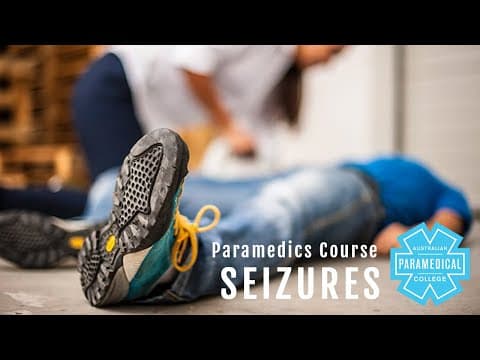
Seizures - Australian Paramedical College
Australian Paramedical College
4m 12s631 words~4 min read
Auto-Generated
Watch on YouTube
Share
MORE TRANSCRIPTS