[0:00]The FBI spent 287 pages tracking a black woman because she dared to draw characters who were smarter than the politicians of her time. Her name was Jackie Orms. In 1937, long before the Civil Rights movement was televised, Jackie was already airing out America's dirty laundry in the funny pages. She was the first African-American woman cartoonist, and she refused to draw the servant caricatures that white newspapers loved. Instead, she gave us Torchy Brown, a Mississippi teen who didn't just migrate to Harlem. She conquered it. According to the Billy Ireland Cartoon Library, her work was so popular, it ran in all 14 city editions of the Pittsburgh Courier. That's Coast-to-Coast influence for a black woman in the middle of Jim Crow. But Jackie's true weapon was a little girl named Patty Joe. In 1946, would Jackie created Patty Joe and Ginger. Patty Joe was a stylish, razor sharp kid who didn't talk about toys. She talked about the atomic bomb, the House Committee on American activities, and the way the government was ignoring black education. According to museum records, Patty Joe was so iconic that in 1947, She became the first black character doll in American history. Jackie didn't just sign off on it, she hand painted the features herself and designed an upscale wardrobe that made white dolls look basic. They sold by the thousands to black and white families alike. But the unfiltered truth, the government was terrified of her influence. During the McCarthy era, while the country was hunting for communists, the FBI was hunting Jackie Orms. Declassified files show they followed her to bookstores, tracked her murals, and interviewed her multiple times. Her FBI file was 287 pages long. That's nearly double the size of Jackie Robinson's. Why? Because in 1954, Jackie was already using her characters to fight environmental racism. In the final episodes of Torchy and Heartbeats, she showed her characters confronting industrial pollution in black neighborhoods, decades before environmental justice was even a term. Jackie Orms died in 1985 and for decades the industry acted like she never existed. It wasn't until 2018 that she was finally inducted into the Will Eisner Hall of Fame. I want to hear from you in the comments. Why does the government always see black intelligence as a subversive threat? And why did your art teacher never tell you that a black woman with a pen was more dangerous to the system than a man with a gun? So comment Jackie to honor her name. Share this video with every artist who feels like my their work is too bold. Hit that follow button and join us at Black History Unfiltered. We don't just tell the past, we give the icons their ink back.
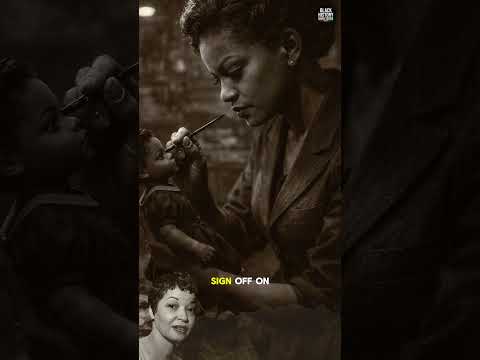
The FBI’s Most Wanted Cartoonist: The Unfiltered Story of Jackie Ormes
Black History Unfiltered
2m 59s460 words~3 min read
YouTube auto captions
Transcript source
YouTube auto captions
This transcript was extracted from YouTube's auto-generated caption track. The transcript below is server-rendered so it can be read, searched, cited, and shared without opening the original YouTube player.
Pull quotes
[0:00]The FBI spent 287 pages tracking a black woman because she dared to draw characters who were smarter than the politicians of her time.
[0:00]In 1937, long before the Civil Rights movement was televised, Jackie was already airing out America's dirty laundry in the funny pages.
[0:00]She was the first African-American woman cartoonist, and she refused to draw the servant caricatures that white newspapers loved.
[0:00]Instead, she gave us Torchy Brown, a Mississippi teen who didn't just migrate to Harlem.
Use this transcript
Related transcript hubs
Watch on YouTube
Share
MORE TRANSCRIPTS


