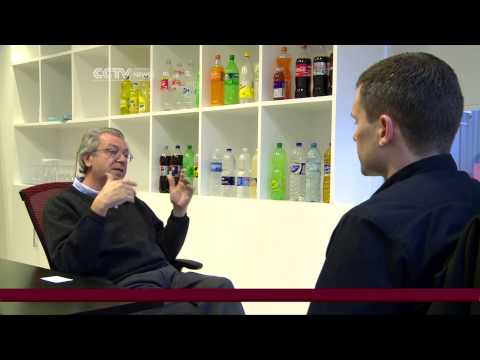
[0:00]America waste disposal remains a major concern in urban areas. Argentinians, for example, throw away an estimated 12 million plastic bottles every day, and only 15% of them are recycled. But as Joel Richards reports, one company is now offering a creative solution. One of Argentina's biggest problems could become big business. In the capital, Buenos Aires, Argentinians produce an estimated 5,000 tons of waste every day that the city cannot process. It still lacks the disposal and recycling infrastructure to make the environment cleaner and greener. The private sector saw an opportunity. Over the past decade, five companies like Cama have begun to take in waste collected by the informal sector from the street, transforming mountains of trash into a profitable business. This created a market for recyclable materials, which to an extent always existed, but Argentina has always been a country that didn't give importance to the problem of waste and recycling. Outside the city, Cama built a recycling plant that began to work with bottles made from a plastic resin commonly known as PET. Cama now sells recycled PET to major drinks companies that use bottles made from around 20% recycled material. Cama produces over 11,000 tons of PET per year. The number of bottles in rivers and seas lowers, there's less waste disposal, visual pollution drops. Every way we look at it, the use of recyclable materials, in this case PET for new bottles, is very beneficial for society, economically and for the environment. Cama uses around 20,000 tons of bottles collected from the streets of Argentina per year. China meanwhile buys 37,000 tons of the material from Argentina for use in the textile industry. While the business of recycling products such as plastic bottles continues to develop, analysts say that Argentina is still far from reaching zero waste, a policy that aims to transform society's garbage into products that people can use. Joel Richards, CCTV, Buenos Aires.
Argentina Waste Disposal Problem Got a Solution
CGTN Global Business
2m 22s322 words~2 min read
Auto-Generated
Watch on YouTube
Share
MORE TRANSCRIPTS