[0:06]No. Ehm, sorry. God it. Yeah, when he says action. Yes.
[0:15]I could have played Bach, but you know that's One and some party is
[0:24]You think you can play? What? You can play, if you want. Yes.
[0:42]There was classical music, there was C'era musica classica, jazz, lyric.Si faceva teatro, cabaret, attività di ogni genere. Yes, there were some famous artists, pianists, singers. Sì, c'erano parecchi artisti famosi. Si poteva trovare di tutto. Pianisti, cantanti, attori, produttori.
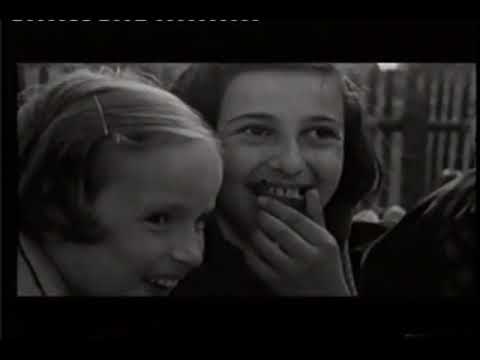
[1:14]We tried to live like normal children, we celebrated Christmas, birthdays, feast, Hanukkah. Cercavamo di vivere come dei bambini normali. Festeggiavamo il Natale, i compleanni, le feste, Hanukkah.
[1:30]There was a pavilion built for the orchestra, and I was playing the trumpet. Fu costruito un padiglione per l'orchestra e io suonavo la tromba. It became a cultural paradise. Everything seemed normal, but it wasn't. It wasn't at all. Diventò un paradiso culturale. Tutto sembrava normale, ma non lo era. Non lo era affatto. It was a paradoxical existence all the time. Era un'esistenza paradossale.
[1:52]Follia pura. Non lo so spiegare. Era proprio grottesco essere in una città da pupazzi.
[2:06]We lived in ignorance of what was happening to us. And this, perhaps, was our good fortune. Vivevamo ignari di quello che ci stava accadendo. E questa fu forse la nostra fortuna. Because if we had known what fate awaited us, we wouldn't have been able to resist. Perché se solo avessimo saputo qual era il destino che ci aspettava, non avremmo potuto resistere. We were dancing under the gallows. Ballavamo sotto alla forca.
[2:37]An 18th-century fortress, isolated in the Bohemian countryside, was chosen by the Nazis as the theater for one of the most elaborate and cruel deceptions of World War II.
[2:54]The Germans renamed it Theresienstadt, the city that Hitler gave to the Jews.
[3:27]My father's family, who were totally assimilated, were convinced that because he had fought in World War I, he had the Iron Cross, First Class, and when they awarded it to him, they said the gratitude of the homeland would be with him forever, and my father believed it. Per i danesi da sempre, mio padre, famiglia totalmente assimilata. Mio padre era convinto, siccome aveva combattuto nella prima guerra mondiale, aveva la croce di ferro prima classe e quando gli hanno conferito, hanno detto, il ringraziamento della patria sarà con te per sempre, e mio padre ci credeva. Ciecamente ci credeva.
[4:00]I knew I was Jewish when I was about 6 years old, as soon as I started elementary school. I had a friend who lived in the neighborhood. We always played marbles in front of her house. Io ho saputo di essere ebrea più o meno a 6 anni, appena che sono entrata alla scuola elementare. Avevo fatto un'amicchetta lì che viveva nelle vicinanze. E siamo sempre andati davanti casa a giocare a biglie. One day a man comes and says, "You Cohn?" And I, all annoyed, say, "Yes, why?" "Someone named Cohn has nothing to do with my daughter." Un giorno arriva un uomo che fa: "Sei tu Cohn?" E io tutta stizzita dico: "Sì, perché?" "Una che si chiama Cohn non può niente a che fare con mia figlia." And so I associated, for the first time, the name Cohn with what I already read on the shops: "Juden unerwünscht" (Jews undesirable). E così ho associato per la prima volta il nome Cohn a quello che già leggevo sui negozi. Juden unerwünscht. Ebrei non desiderati. In April 1939, German troops invaded Czechoslovakia. Prague was conquered without a single shot being fired. The next day, Hitler declared the Protectorate of Bohemia and Moravia as new territory belonging to the Reich. But it didn't stop there. Within a few months, he launched his army to conquer Europe. Subsequently, he ordered his bureaucrats to organize the "final solution" to the Jewish question.
[5:20]Hitler wanted the extermination of all Jews in Europe.
[5:28]When the order came that the Jews of Czechoslovakia were to be deported to Theresienstadt, we didn't even know where it was. Quando giunse l'ordine che gli ebrei della Cecoslovacchia dovessero essere deportati a Terezín, noi non sapevamo neppure dove si trovasse. So I remember we pulled out the atlas and found that it was a small town not far from Prague. Così ricordo che tirammo fuori l'atlante e scoprimmo che era un paesino non molto distante da Praga.
[5:46]And for some strange coincidence, the city walls were shaped like the Star of David. When it was built, no one could have imagined what would happen there 200 years later. E per qualche strana coincidenza le mura della città avevano la forma della Stella di David. Quando fu costruita nessuno avrebbe potuto immaginare cosa sarebbe successo lì 200 anni dopo.
[6:10]I always refused to even come to Prague, where I went as a child, we always took trips. So I remembered Carlsbad, Racine, etc. Ho sempre rifiutato persino di venire a Praga dove sono stata da bambina, abbiamo sempre fatto i viaggi, per cui mi sono ricordata la Karlsbad, Recin, eccetera. Ma siccome vicino a Terezín non sono mai tornata, ho paura.
[6:47]And where Theresienstadt was written. Io voglio anche venire. Ho anche deciso di venire, perché già Shakespeare lo sapeva, è scritto in Macbeth.
[7:00]Una tremenda realtà è molto meglio che immagini orribili. Ecco, questo lo devo, un attimo, fermati.
[7:20]It says Theresienstadt. È scritto Terezín.
[7:25]Sulla stazione non c'era scritto Terezín.
[7:35]I was very much in love with a handsome young man, and he left three days before us. Ero innamorata di un bel giovanotto e lui partì tre giorni prima di noi.
[7:43]So I wasn't afraid to go to Theresienstadt. In fact, I couldn't wait. I wanted to follow my man and I couldn't wait to see him again. Perciò non avevo paura di andare a Terezín. Anzi, non stavo nella pelle. Volevo seguire il mio ragazzo e non vedevo l'ora di rivederlo. I was in love, and so I prayed, "Please, please, God, send me to Theresienstadt." Ero innamorata e così pregavo, per favore, per favore, Dio mandami a Terezín.
[8:06]The Germans realized that forced deportations of certain categories might be unpopular with the public. Initially, Theresienstadt was chosen to house elderly Jews from the Reich, to whom Jews considered important or belonging to special categories, such as musicians, writers, actors, and internationally renowned painters, were later added. Il ghetto in cui ci troviamo, il ghetto di Theresienstadt era però un ghetto molto diverso dagli altri ghetti ubicati in Polonia. Intanto era un ghetto messo, istituito in un nel territorio annesso al Reich, ovvero nel territorio nel protettorato di Boemia e di Moravia. E poi perché in questo ghetto venivano inviati gli ebrei di Praga del protettorato di Boemia e di Moravia, ma soprattutto quegli ebrei tedeschi cosiddetti privilegiati, cioè che avevano ottenuto delle onorificenze durante il primo conflitto mondiale.
[9:17]It was not so simple to kill certain privileged categories of Jews, as was done with normal Jews. Non era così semplice uccidere alcune categorie privilegiate di ebrei, così come si faceva con gli ebrei normali. So the Nazis decided to put on this comedy, deceiving them that in Theresienstadt they would live comfortably and peacefully until old age. Così i nazisti decisero di mettere in piedi questa commedia, illudendoli che a Terezín avrebbero vissuto con tutti i comfort e in pace fino alla vecchiaia.
[9:40]They were told that they were going to the baths, where they would be able to lead a comfortable and peaceful life. Fu detto loro che andavano alle terme, dove avrebbero potuto condurre una vita agiata e tranquilla. So they thought they had to be elegant when they went dancing, some put evening dresses, gloves, and small hats with feathers in their suitcases. Così, pensando di dover essere eleganti quando andavano a ballare, alcuni misero i valigia abiti da sera, guanti e piccoli cappelli con piume.
[10:04]What they found, well, it wasn't to be. Quel che trovarono fu un po' diverso.
[10:13]Some even paid to have the privilege of living in the baths. Alcuni addirittura pagarono per avere il privilegio di vivere alle terme.
[17:47]At Theresienstadt, cultural activities were still prohibited. But one night, I heard Gideon Klein playing Bach. Well, I remember that was the best Bach I had ever heard. No, a quei tempi le attività culturali erano ancora proibite. Ma una notte, sentii Gideon Klein suonare Bach. Beh, ricordo che quello fu il miglior Bach che io abbia mai sentito. We were helping people to have hope, to have some fun, and to see the good side in life. Aiutavamo la gente ad avere speranza, a divertirsi un po' e a vedere il lato positivo della vita.
[18:14]With music, time does not exist. You are transported into another world. It's like a spell. Con la musica il tempo non esiste. Sei trasportato in un altro mondo. È come un incantesimo.
[18:28]Music is something extraordinary. La musica è qualcosa di straordinario.
[18:43]I started with theater when it was still underground. I preferred it because it was something against the law. Ho iniziato col teatro quando era ancora clandestino. Lo preferivo perché era qualcosa che andava contro le regole. At Theresienstadt, people felt the need to express themselves in some way, but we weren't sure how the Germans would react. A Terezín la gente sentiva il bisogno di esprimersi in qualche modo, ma non eravamo sicuri di come i tedeschi avrebbero reagito.
[19:09]Someone started secretly in the attics to recite poems or read a chapter from a book. Qualcuno iniziò di nascosto nelle attici a recitare poesie o a leggere un capitolo di un libro.
[19:20]It went on clandestinely for some time, until to our great surprise, we found out that the Germans had no objection to a cultural life in the ghetto. Andò avanti clandestinamente per un po' di tempo, finché con grande sorpresa, scoprimmo che i tedeschi non avevano alcuna obiezione a una vita culturale nel ghetto. I often played Beethoven's sonatas, about 20 times. Chopin's pieces, about 50 times. When we played something, they always wanted us to repeat it. Ho suonato le sonate di Beethoven circa 20 volte, i brani di Chopin 50 volte. Quando apprezzavamo qualcosa, volevano sempre che la ripetessi. I played a lot, I did over 100 concerts. I played chamber music, alone and with singers. I played with violins and cellos. Ho suonato molto, ho fatto più di 100 concerti. Ho suonato musica da camera, sola e con cantanti. Ho suonato con violini e violoncelli.
[36:26]Because they were like a family camp for the Jews from the Theresienstadt ghetto. It was even called "Familienlager Theresienstadt."
[36:42]And the fate of the Jews of Theresienstadt at this point is different from the fate of the other Jews. Firstly, in this camp, when the Jews arrive, they are not selected upon arrival, like all the others. These Jews are not shaved. Then in this camp, there are different spaces, that is, there is a school, something incredible in Birkenau. And there is even a kindergarten.
[37:39]The true propaganda is not the completely false propaganda, but the propaganda that refers to elements that are true. Because true propaganda is exchanging one part for the whole.
![Thumbnail for [Truyện Đời] - Series Đứa Con Tội Lỗi I Tập 3 : Bóng Ma Cờ Bạc #0hradio #tamsu #podcast by 0h Radio](/_next/image?url=https%3A%2F%2Fimg.youtube.com%2Fvi%2FGImhbe2i6tM%2Fhqdefault.jpg&w=3840&q=75)